Accommodation and experiences in Giyani, Limpopo: planning a relaxed stay in the heart of the Valley
Giyani in Limpopo offers a gateway to the scenic landscapes, warm communities and cultural experiences of the region. When planning a stay, think about the area you’d like to base yourself in, the type of accommodation that suits your travel style, and the pace you want for your visit. Whether you favour a comfortable guest house with a social atmosphere, a self‑catering lodge set among the trees, or a lodge with easy access to game reserves, Giyani has options that can fit a range of budgets and preferences.
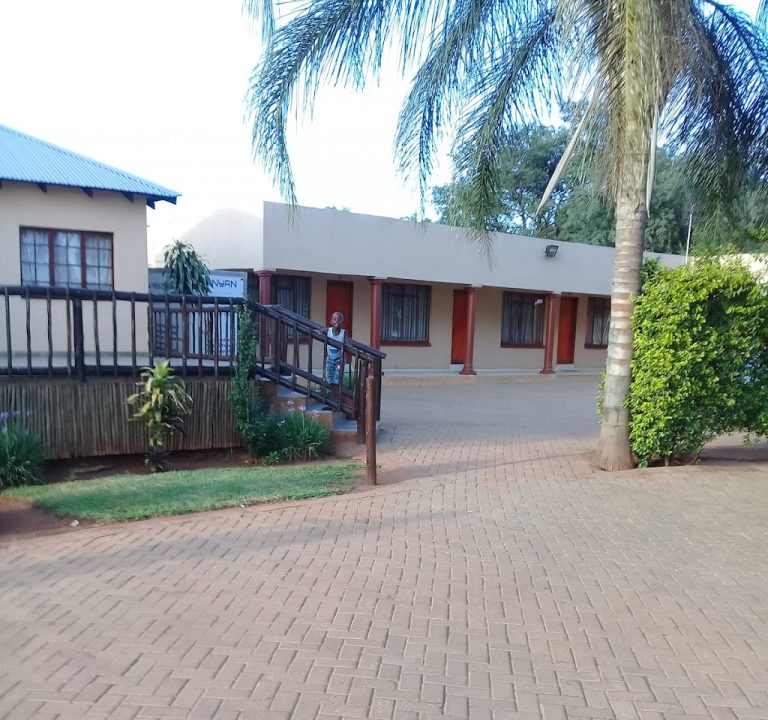
One practical starting point is to consider the different neighbourhoods and rural settlements around Giyani. Some areas place you closer to essential shops and local restaurants, while others offer quieter surroundings and more privacy. If you’re keen to immerse yourself in village life or explore the countryside, a guest house in a village cluster can be a welcoming base. A well‑located guest house, such as Tihosi guest house 2, can offer a friendly atmosphere, helpful local tips and a comfortable room with private or shared facilities. When you book, look for clear information about the property’s layout, meal options, and on‑site amenities.
Typical amenities you might encounter include en suite bathrooms, air conditioning or fans, a kitchenette or self‑catering facilities, secure parking, and sound insulation for a restful night after day trips. If you value socialising with fellow travellers, a guest house with communal spaces, a breakfast option, or a small on‑site dining area can add to your stay. For families or groups, some properties offer family rooms or interconnected suites, which can make evenings more convenient and economical.
Transport is a key planning detail. Giyani itself is best explored with a car, giving you the freedom to visit local villages, markets and rural viewpoints at your own pace. If you’re arriving without a vehicle, check whether the guest house can arrange transfers from nearby towns or airports, or inquire about local taxis or guided tours. Road conditions can vary, especially on more rural routes, so it’s sensible to have a reliable vehicle and a map or GPS. If you’re staying closer to the town centre, you’ll likely have more convenient access to shops and eateries, but you may sacrifice a little tranquillity for convenience.
Best time to visit Giyani aligns with the broader Limpopo climate. The dry season, typically the winter months, offers pleasant daytime temperatures and clearer skies for outdoor activities and safaris. The wet season brings colour to the landscapes but higher humidity and occasional heavy showers, which can affect travel plans and road conditions. If you’re aiming for wildlife viewing or nature walks, consider how the season might influence what you hope to experience, and keep flexible plans in case of weather-related changes.
When it comes to planning days out, the region provides a mix of cultural, natural, and scenic options. You could start with a relaxed day in the town or nearby villages to browse markets, sample fresh produce and craft work, and chat with local residents to learn about everyday life in the area. For nature lovers, guided excursions or self‑guided drives to nearby reserves or viewpoints can offer opportunities to spot birds and endemic plants, while enjoying the open spaces that define the Limpopo landscape. If you’re visiting with a focus on wildlife, consider day trips that are oriented toward accessible viewpoints, guided walks, or gentle game‑watching experiences, while staying mindful of local regulations and health advisories.
Dining in Giyani is typically straightforward and community‑oriented. Look for guest house breakfast offerings or nearby eateries that serve wholesome, traditional flavours alongside contemporary options. It’s wise to ask your host or the front desk for recommendations on safe and reputable dining venues, especially if you’re exploring in the evening. When planning meals, you may also prefer to use self‑catering facilities on some days to enjoy a relaxed meal in your accommodation after a day’s activities.
Booking tips to help you secure a comfortable stay include: reading guest reviews for honesty about cleanliness, noise, and warmth of hospitality; confirming the exact bed type and number of rooms; checking whether air conditioning or fans are available for warm nights; and asking about security measures and parking arrangements. If you’re travelling with children or elderly travellers, clarify accessibility features and the availability of easy‑access rooms. It’s also worth confirming cancellation policies and how changes to travel plans will be handled, particularly during peak travel periods when rooms can fill quickly.
- Choose a base that minimises daily travel time if you plan to explore surrounding areas extensively.
- Ask for guidance on safe, reputable local experiences and day trips.
- Check the inclusion of meals or self‑catering facilities to suit your itinerary.
- Confirm transport options from nearby towns and whether transfers can be arranged by the guest house.
Giyani offers a friendly entry point to the region’s landscapes, communities and hospitality. With thoughtful planning around location, amenities and transport, you can tailor a stay that balances comfort with memorable everyday experiences, while supporting local hosts and small businesses along the way.