Accommodation and experiences in Giyani, Limpopo: planning your stay and making the most of it
Nestled in the Mopani District of Limpopo, Giyani serves as a welcoming base for visitors exploring the heartland of northern South Africa. The area combines rural charm with convenient access to wildlife reserves, cultural experiences and authentic dining. When planning a stay in Giyani, focus on where you want to base yourself, what you hope to see, and how you’ll move between different sites. A variety of guest houses, small hotels and family-run lodges offer a range of settings—from quiet garden courtyards to traditional thatched-roof rooms—so you can tailor your trip to your pace and interests.
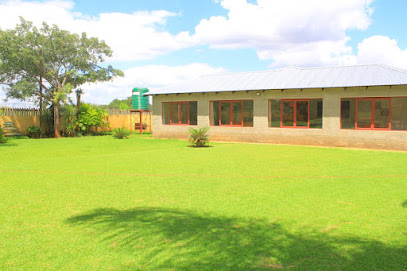
One example of accommodation in the area is Tihosi Guest House, a guest house that emphasises comfortable, approachable hospitality in a homely setting. While the exact offerings may vary by season, such properties typically provide welcoming rooms, on-site parking, and straightforward, friendly service. When selecting a place to stay, consider the following: the proximity to key sights, access to transport options, security, and whether meals are available on site or nearby. For travellers who prefer self-catering or flexible meal plans, many guest houses can accommodate a mix of breakfast, dinner, or room-only arrangements.
Areas to consider when planning your stay include central Giyani, the town’s outskirts closer to rural villages, and nearby scenic routes where you can encounter local scenery and wildlife. If you prioritise short transfers to day trips, choosing a base with easy road connections and a trusted local host can be invaluable. For those seeking a more immersive stay, consider guest houses that partner with local communities or offer guided walk or cultural experiences, giving you a sense of daily life in this region while supporting local livelihoods.
Typical amenities you may encounter include comfortable en-suite rooms, secure parking, clean and reliable housekeeping, and communal spaces where guests can relax or share meals. Some properties offer shaded outdoor seating, braai (barbecue) facilities, or simple kitchens for self-catering. When booking, confirm what is included in the rate—breakfast options, bottled water, and access to Wi-Fi are common, but the quality and availability of dinner service or self-catering facilities can vary by property and season.
Transport is a practical consideration in Giyani. The area is best explored with a hire car or arranged transfers, as public transport can be limited in rural parts. If you’re flying in, the nearest major hubs are typically serviced by regional airports within reach of Mopani and the broader Limpopo region. Speak with your accommodation provider about local transfer options, parking availability, and whether they can help arrange guided day trips to nearby natural or cultural sites. Having a rough plan for the days you’ll spend in and around Giyani helps you avoid long gaps in your itinerary and makes the most of your time in Limpopo.
Best time to visit varies with what you want to experience. The dry season, typically from late autumn to winter, often offers clearer wildlife viewing and less humid conditions, making outdoor days feel more comfortable. The wet summer months bring lush landscapes and vibrant countryside, though occasional showers can affect driving conditions in rural areas. If you’re hoping to pair your stay with a festival or local market, check seasonal calendars, as community events can greatly enrich your visit and give you a flavour of daily life beyond the usual sights.
Attractions in and around Giyani are geared towards nature, culture and relaxed exploration. You’ll find opportunities for scenic drives, village visits to learn about the Tsonga heritage, and visits to nearby natural areas where wildlife and birdlife can be observed in a tranquil setting. While specific sites and names may vary, many travellers enjoy a balanced itinerary that includes time in the town to sample local foods and crafts, plus day trips to surrounding reserves or viewpoints that showcase Limpopo’s broad landscapes. When planning, set aside a day or two for nature-focused experiences and another for cultural immersion—these complementary highlights create a well-rounded stay.
Dining in Giyani ranges from simple, homely meals at guest houses to local eateries where you can sample traditional dishes. Expect flavours inspired by regional ingredients, with options that suit a range of dietary preferences. If your accommodation offers meals, these can be a convenient way to start or end busy days. For broader culinary variety, you’ll typically find modest cafés and family-run eateries in town that focus on hearty, comforting dishes suitable for travellers after a day outdoors. When dining out, it’s worth asking about recommended dishes and any seasonal specials that showcase local ingredients.
Practical tips to help you plan and enjoy your stay:
- Book accommodation with clear information about parking, security, and accessibility to main roads or attractions.
- Check whether meals are included, and if not, identify nearby eateries or markets for easy meals.
- Confirm check-in arrangements and any curfew or quiet hours to respect, particularly in smaller guest houses.
- Bring appropriate clothing for variable weather, plus sunscreen and insect repellent for outdoor days.
- In planning day trips, factor in driving times and road conditions; rural lanes can be slower than expected.
- Respect local customs and communities when visiting villages or cultural sites, and support responsible tourism practices.
Giyani’s charm lies in its understated pace, warm hospitality, and proximity to untamed landscapes. With thoughtful planning, your stay can combine comfortable accommodation, gentle exploration of nature and culture, and the chance to savour Limpopo’s hospitality at its best.