Discovering Giyani: Accommodation, Attractions and Practical Tips
Giyani, set in the Mopani District of Limpopo, offers a gateway to nature, culture and easy access to regional parks. When planning a stay, travellers often balance a peaceful, rural atmosphere with convenient access to road links and basic services. A mix of guest houses, small hotels and bungalows in and around Giyani can provide that comfortable base for exploring the broader Lowveld region, with opportunities to observe wildlife, soak up local traditions and enjoy Galáctic-styled sunsets over the surrounding savannah.
Accommodation options in and near Giyani vary from guest houses to small lodges and self-catering units. A stay here can feel intimate and practical, with hosts often well placed to offer practical tips on day trips, local markets and scenic routes. If you are seeking a single night stopover or a longer retreat, you’ll find that many properties emphasise homely hospitality, safe parking, and rooms that are easy to heat in the warm season or cool during the milder periods of winter.
When choosing where to stay, consider the following areas and factors. Proximity to main roads can matter for early starts or late returns after day trips. If you plan to visit nature reserves, ask about transfer options or recommended routes. For families or groups, look for family rooms or self-catering facilities. If you prefer quiet nights, check on the local street noise, and ask about curfews or on-site security arrangements. Some properties offer shaded outdoor spaces, communal kitchens or dining areas, and on-site hosts who can arrange tours or provide guidance on safe travel in the region.
Typical amenities you might encounter include air conditioning or fans, reliable Wi-Fi, refrigerators, coffee-making facilities, and private or en-suite bathrooms. Many guest houses in the area provide included breakfast or the option to order simple meals, which can be a convenient way to start a day of travel. For longer stays, look for laundry facilities and self-catering options. If accessibility is a priority, verify whether ground-floor rooms, ramps, or wide doorways are available. Parking is usually straightforward, but it’s worth confirming there is secure space if you’re renting a vehicle.
Transport-wise, the road network around Giyani supports day trips to nearby wildlife reserves, scenic viewpoints, and cultural experiences. If you are travelling by car, a clear plan for fuel, rest breaks and potential back-up routes is wise. Courteous hosts can often arrange transfers or advise on local taxi options for evenings out, market visits or short excursions. Elucidating your itinerary with your host can help you balance travel time with downtime at your accommodation, especially in hot weather or during peak travel periods.
Best time to visit Giyani is typically tied to the regional climate. The area experiences warm summers with afternoon thunderstorms and cooler, drier winters. Many visitors prefer the dry season for wildlife viewing and easier road travel. Plan ahead for heat in the peak summer months and consider scheduling outdoor activities for the early morning or late afternoon. If you are hoping to combine nature experiences with cultural outings, the shoulder seasons can offer a gentler pace and quieter surroundings while still providing ample daylight for day trips.
Practical tips for a smooth stay:
- Confirm what meals are available and whether there are self-catering options.
- Ask about security arrangements, on-site support, and how to reach the nearest shops or clinics.
- Check whether bottled water or filtered water is provided and what to do in case of power outages.
- If you plan to visit reserves or parks, ensure you have the right permits or information about opening hours and guided tours.
- Inspect room conditions upon arrival and request extra towels, a fan or a heater as needed.
Attractions in and around Giyani tend to blend natural beauty with cultural experiences. Expect opportunities for birdwatching and scenic drives through the surrounding countryside, with easy access to nearby game reserves and reserves’ trails. For dining and social evenings, local eateries and guest-house restaurants typically offer simple, well-prepared meals featuring regional flavours. While exact names and prices vary, a relaxed dining approach—focussing on fresh ingredients and traditional dishes—can be a highlight of a stay, especially when paired with a friendly, informative host who can suggest seasonal specialties.
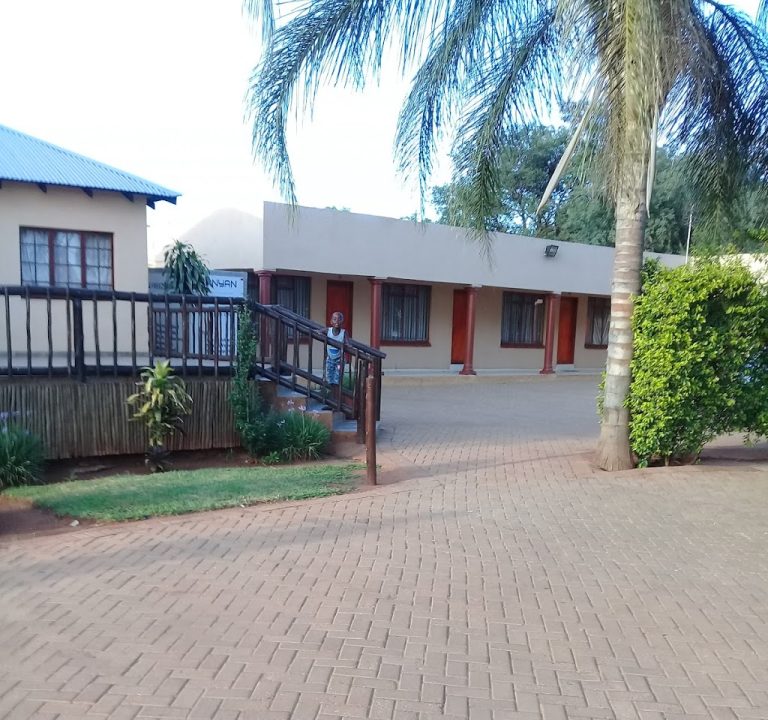
For accommodation to consider during a visit, a reputable option such as Survivor Guest House offers a guest house experience that prioritises comfort and accessibility for travellers. You can explore listings and additional options at the broader directory site Survivor Guest House and other local properties to compare areas, pricing, and available facilities. Always read recent guest reviews to gauge consistency in cleanliness, responsiveness, and the overall guest experience.
Planning a stay in Giyani is about balancing the quiet charm of a rural setting with practical considerations for travel, time of year, and desired levels of comfort. With thoughtful preparation—clarifying transport, amenities, and nearby activities—you can enjoy a restful retreat while experiencing the warmth of Limpopo hospitality and the expansive skies of the Lowveld.