Accommodation and Traveller Experiences in Giyani, Limpopo: Where to Stay and What to Do
Giyani, in the Mopani region of Limpopo, offers a gateway to vast landscapes, wildlife encounters and authentic South African culture. When planning a stay, consider both the practicalities of travel and the unique character of each area. The village and surrounding countryside can be accessed from regional towns and via main roads, so a comfortable vehicle is often the easiest way to move between lodging, markets, and day trips. For those who prefer to unpack and feel at home, a range of options exists from family-run guesthouses to more remote lodges that blend indoor comfort with proximity to nature.
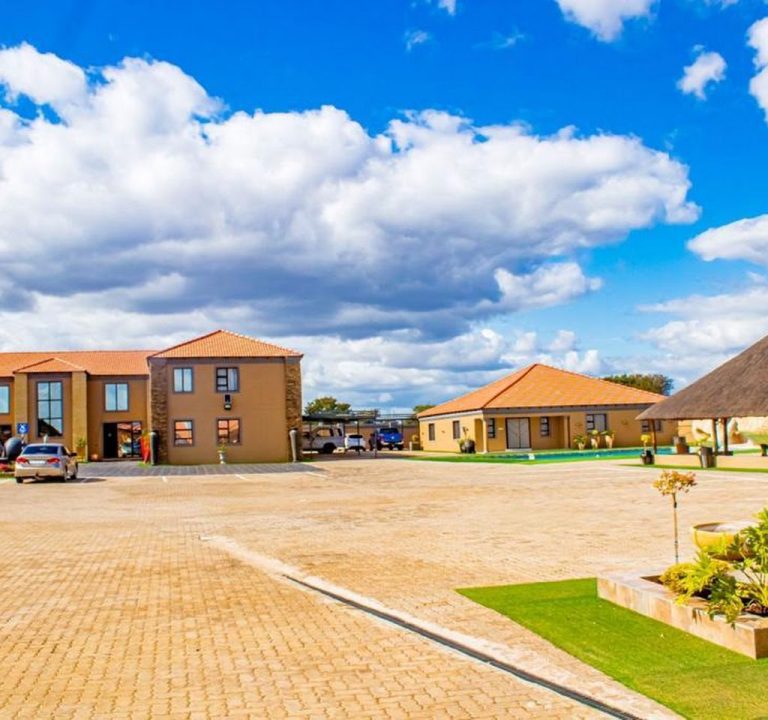
One prominent option is Xilatani Lodge, a well-positioned indoor lodging choice that demonstrates how clean, comfortable rooms and practical amenities can anchor a stay in the region. While every property varies, typical features include private or en-suite bathrooms, reliable lighting and power, air conditioning or fans, and secure parking. Many lodgings also offer communal spaces where guests can mingle, a small kitchenette or tea-and-coffee facilities, and clean, well-presented communal areas. When booking, look for cast-iron details that signal a well-managed property—consistent housekeeping, clear on-site rules, and staff who can assist with personalised recommendations for activities.
Areas to consider when choosing where to stay include the central Giyani town centre, which can serve as a convenient base for exploring local markets and cultural experiences, and more tranquil pockets on the edges of town where you’ll find lodge-style properties with larger plots and garden spaces. If wildlife watching or day trips into nature is on your itinerary, consider lodges or guesthouses situated a short drive from protected areas or scenic routes. In all cases, check access to shaded outdoor spaces, secure parking, and easy-to-use public or private transport arrangements for evenings out or early starts for day trips.
Typical amenities across lodging options in Giyani often include hot-water showers, clean linen and towels, and in-house or nearby dining options. Some properties offer breakfast packages, which can be especially convenient if you plan early departures for excursions. For those staying longer, a small厨房 or kitchen area can be a practical touch, enabling guests to prepare light meals or snacks between outings. If you plan to self-cater, verify whether groceries are readily available locally and whether the property provides storage for cold goods or enough kitchen equipment for your needs. Wi-Fi access is increasingly common, but connectivity can vary by location, so if reliable internet is important for you, confirm it ahead of booking.
Transport in and around Giyani is typically best managed by car. Driving gives you flexibility to visit markets for authentic crafts, arrange guided tours, and reach rural access points to cultural experiences or nature reserves. If you’re relying on public transport, prepare for limited timetables and longer travel times, and consider arranging transfers through your accommodation. For day trips, a full-day plan with a rough driving route can help you maximise experiences without feeling rushed. Remember to factor in time for rest during hot afternoons, a common consideration in Limpopo’s climate.
Best time to visit combines wildlife opportunities with comfortable weather. The dry season often features clearer skies and easier wildlife viewing, while the wet season brings lush scenery and a different rhythm to daily life. In planning a trip, consider the seasonal heat and afternoon showers, and pack accordingly with light, breathable clothing, sun protection, and a light rain layer. If you’re interested in cultural experiences or markets, weekend visits can be particularly rewarding, as local vendors and craftspeople showcase handmade goods and traditional foods.
Practical tips to help plan a successful stay:
- Ask about room configurations and accessibility to ensure the space fits your needs, especially for families or groups.
- Check the proximity to your planned activities—whether you want to be near markets, cultural experiences, or nature reserves.
- Confirm on-site dining options and whether breakfast is included, and whether nearby eateries offer easy, safe options for evening meals.
- Inquire about malaria and other health considerations for the area, and follow current guidance regarding protection against insects and safe drinking water.
- Request a rough itinerary from your host or lodging manager; local knowledge can unlock efficient routes and hidden gems.
When it comes to sights and experiences, Giyani offers a chance to observe daily life in a South African town, enjoy community markets, and access natural areas within a reasonable drive. While the exact attractions and dining venues can change, you can expect a mix of village markets, scenic drives, and opportunities to learn about regional history and culture in respectful, immersive ways. For food and casual meals, look for places that serve traditional dishes or modern takes on South African favourites, prioritising establishments that support local producers and explain their menus clearly to visitors.
Booking wisely means balancing comfort, location, and the kind of experiences you value. Start by identifying your priorities—quiet evenings in a garden setting, easy access to day trips, or sociable, lived-in spaces with a friendly host—and then compare options that meet those criteria. With thoughtful planning, a stay in Giyani can be a vivid, restorative experience that blends comfortable accommodation with the warmth of Limpopo hospitality.