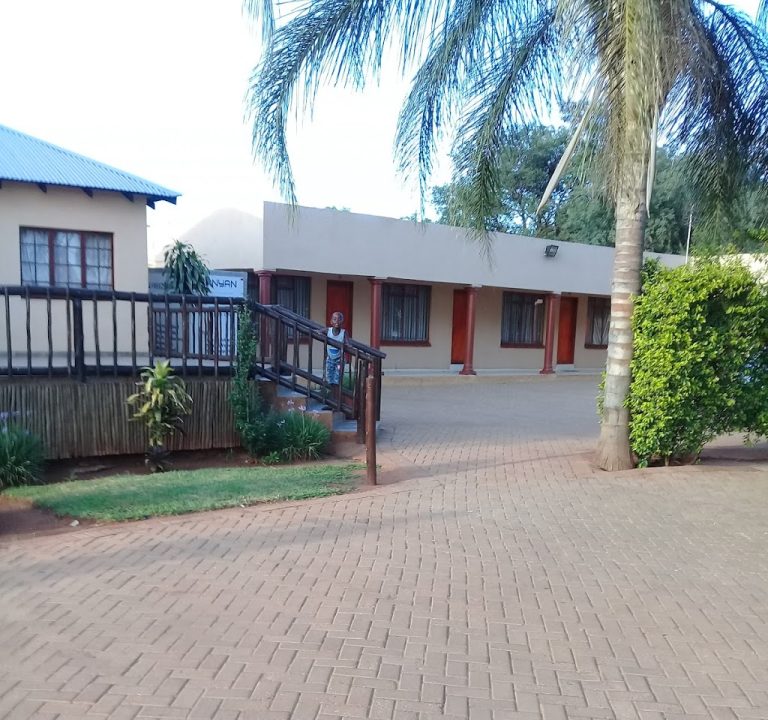
Xilumani Hotel is a Serviced accommodation establishment in Giyani, Limpopo, South Africa
About Xilumani Hotel in Giyani, Limpopo
Located in the heart of Giyani, in Limpopo, Xilumani Hotel presents itself as a base for travellers exploring one of South Africa’s most diverse and culturally rich regions. The property sits within a community-centric part of the province, where visitors can experience the warmth of local hospitality and the everyday rhythms of life in northern Limpopo. While specific details about the hotel’s layout, room types, and on-site facilities are not available from the provided site content, the setting suggests a practical and approachable option for those seeking a convenient stay in the area.
In general terms, a hotel in this part of Limpopo tends to prioritise easy access for guests who are touring nearby attractions, business travellers visiting regional centres, and families looking for a comfortable stopover while exploring the wider region. The appeal often lies in a straightforward, no-fuss lodging experience that supports comfortable rest after day-long activities, with an emphasis on respectful, friendly service and a location that keeps day trips within reach.
As with many traveller-focused properties in this region, the surrounding area offers a gateway to cultural experiences and nature-filled outings. Visitors might encounter local markets, opportunities to engage with Tsonga and other community influences, and a chance to explore the broader Limpopo landscape, which includes arid savannah, green riverine zones, and the characteristic wildlife vistas the province is known for. The practical advantage of staying in a town like Giyani is the potential to combine restful lodging with convenient access to regional travel routes and day-trip possibilities.
When considering a stay at Xilumani Hotel, potential guests are encouraged to plan with an eye to flexibility. Booking terms, on-site services, and amenities can vary across properties in the area, and the most reliable information typically comes directly from the official hotel channel or current guest communications. Given the nature of the source content, prospective visitors should verify essential details—such as room configurations, housekeeping schedules, dining options, parking, and any special policies—through the hotel’s official pages or trusted travel platforms before finalising arrangements.
Accommodation style in this part of Limpopo frequently blends practical comfort with a touch of local character. While concrete descriptions of Xilumani Hotel’s interiors and room categories are not stated here, guests generally look for a clean, well-maintained space to rest after exploring the surrounding countryside. A straightforward approach to comfort—such as comfortable bedding, reliable hot water, and a quiet environment—often forms the core of what travellers expect, complemented by friendly reception and efficient check-in processes.
For travellers planning a stay, practical travel tips include checking opening hours and services for any on-site facilities that may enhance convenience, such as on-site dining, secure parking, or reception support for organising local trips. Since the available content does not list detailed facilities, it is prudent to consider a flexible itinerary that allows time for restful mornings in the hotel and relaxed afternoons exploring nearby communities and landscapes. Arranging transportation in advance or confirming local taxi and shuttle options can also help streamline plans in a region where distances between points of interest may be significant.
Nearby highlights, while not enumerated on the source content, typically encompass a mix of cultural experiences, scenic routes, and opportunities to engage with the natural environment. Visitors to the area commonly enjoy learning about regional heritage, sampling local cuisine, and observing daily life in a Limpopo town that acts as a hub for both residents and visitors alike. For those seeking a balanced itinerary, combining a stay at a hotel like Xilumani with guided or self-guided outings to nearby towns, markets, and natural settings can provide a well-rounded experience of northern Limpopo.
Booking and travel tips for Xilumani Hotel focus on preparation and practicality. Given the absence of detailed specifications from the provided site content, travellers should:
- Consult the official hotel page for the most current information on room types, facilities, and policies before booking.
- Confirm accessibility options and parking arrangements if a vehicle is part of the travel plan.
- Check for any dining or vending options on-site, or nearby alternatives in Giyani and surrounding areas.
- Consider travel times during peak seasons to and from regional attractions and towns.
- Look for transparent pricing and cancellation terms to avoid potential changes in plans.
For those who prefer to explore further or need to plan around a specific travel window, the hotel’s official website (and related booking platforms) can provide the latest guidance and contact points for additional information. A visit to the site at https://xilumani-hotel.business.site/?utm_source=gmb&utm_medium=referral offers a starting point for discovering what Xilumani Hotel can offer to travellers seeking a practical, grounded stay in Giyani, amid the broader appeal of Limpopo’s northern landscapes and cultural heritage.
Giyani
Limpopo
Giyani
South Africa


Giyani: Accommodation, attractions and practical tips for visitors
Giyani in the heart of Limpopo offers a relaxed base from which to explore the eastern parts of South Africa. The town sits near the northern edge of the Great Limpopo Transfrontier Park area, with warm weather, abundant wildlife experiences nearby and a rural charm that appeals to travellers seeking authentic local flavour. When planning a stay, consider that Giyani itself provides a choice of serviced accommodation, guesthouses and small lodges, while surrounding rural settlements and nature reserves offer a broader array of overnight options. Accessibility is generally straightforward by car, and the region is well suited to travellers who prefer a slower pace with opportunities for self-guided exploration.
Accommodation in Giyani tends to emphasise value, practical comfort and proximity to key routes. Serviced apartments and guesthouses are common, often featuring en-suite rooms, kitchenettes or shared kitchen facilities, and on-site parking. When researching a property, look for practical amenities that will make a stay convenient: reliable hot water, efficient air conditioning or fans for warmer months, and secure access. For families or groups, note whether facilities such as an extra bed or family-friendly rooms are available, and whether there is an on-site restaurant or a simple pantry for self-catering. If you are planning a longer visit, consider properties that offer laundry facilities or close-by laundromats.
Areas to consider include the central town area, which provides convenient access to local markets and shops, and places slightly outside the core where quieter streets and more expansive plots are common. Proximity to main roads is useful for day trips to adjacent reserves or cultural experiences, while a short drive to more secluded rural lanes can reveal pastoral scenery and wildlife sightings. When booking, check the parking options and whether the property offers transport arrangements or advice for arranging guided trips. Good hosts will be ready to share tips on local eateries, markets, and safe routes for walking or cycling.
Typical amenities to expect in Giyani accommodation include clean, comfortable rooms, secure parking, and friendly, local staff who can offer practical advice on how to get around. Some properties provide breakfast services, while others may offer continental options or simple kitchen facilities. For travellers seeking a more self-contained stay, serviced apartments and small lodges can provide a welcome sense of independence. If you are visiting during the warmer months, check for shaded outdoor spaces, a pool or patio, and a dining area for al fresco meals.
Transport within and around Giyani is usually best handled by car. Renting a vehicle gives you the flexibility to visit nearby reserves, villages, and day-trip destinations at your own pace. Taxis and ride-hailing services are less common in more rural areas, so plan accordingly. If you do not drive, look for accommodation that can assist with organised tours or airport transfers, or that is within reasonable walking distance to key points of interest.
The best time to visit Giyani depends on your interests. The region enjoys warm to hot summers and mild winters. If you are drawn to wildlife, early morning drives to nearby reserves offer cooler temperatures and more active sightings. The dry season can make for clearer animal viewing and easier photography, while the wet season brings lush landscapes and birdlife. Outdoor activities, community markets and cultural events often flourish in the shoulder seasons when the weather is comfortable and crowds are manageable. Pack appropriately for sun exposure, seasonal rains, and the occasional cool evening.
Planning tips to help you optimise a stay in Giyani:
- Confirm access to on-site facilities, such as wi‑fi, laundry, and parking.
- Check for local recommendations on safe walking routes and day trips.
- Consider a mix of accommodation types to balance comfort with authentic experiences.
- Verify cancellation policies and payment options before booking.
- Bring cash for local markets and small vendors who may not accept cards.
- Create a rough itinerary that includes a couple of nature or cultural experiences, with built-in rest time.
Attractions and experiences in and around Giyani are typically framed by the surrounding landscape and community life. Visitors often enjoy gentle nature walks, informed by local guides who can explain the ecological and cultural context of the area. There are opportunities to learn about traditional crafts, sample regional foods, and observe everyday village life in a respectful, supporting way. For food lovers, the region offers straightforward dining options that reflect local ingredients and home-style cooking. When planning meals, you may wish to try informal eateries and markets that showcase seasonal produce and familiar flavours, while being mindful of local customs and opening times.
If you are considering a base with a bit more creature comfort, you can browse serviced accommodation such as small hotels or guesthouses with clear information on amenities and nearby facilities. For example, you might explore properties that provide easy access to a central hub of shops and services, and that are comfortable for short or longer stays. For up-to-date information and a sample of what is available, you can visit the Xilumani Hotel page to gain a sense of the serviced accommodation style in the region: https://xilumani-hotel.business.site/?utm_source=gmb&utm_medium=referral
In summary, a stay in Giyani offers a blend of practical comfort, local character, and access to nature and community experiences. By selecting accommodation with reliable basics, proximity to routes, and thoughtful host support, you can build a well-balanced itinerary that includes relaxed downtime, gentle outdoor activities, and a taste of Limpopo hospitality.
Sorry, no records were found. Please adjust your search criteria and try again.
Sorry, unable to load the Maps API.
Why Claim Your Listing?
Claiming your listing on the B&B Finder directory website is a valuable opportunity for business owners. Here are five reasons why you should consider claiming your listings:
Control Over Business Information: By claiming their listing, business owners can ensure that all the information presented is accurate and up-to-date. This includes details such as contact information, address, pricing, and available services or amenities. Accurate information helps prevent customer confusion and improves overall satisfaction.
Enhance the Listing: Once a listing is claimed, owners can enhance it by adding more comprehensive information and rich media, like high-quality photos and videos. These additions can make the listing more attractive and engaging to potential customers, thereby increasing the likelihood of bookings.
Marketing Opportunities: Claiming a listing can also open up additional marketing opportunities. Owners may be able to participate in promotional campaigns, special offers, and other marketing activities organized by the directory. This can increase visibility and attract more customers to the business.