Accommodation and Things to Do in Giyani, Limpopo
Nestled in the Mopani District of Limpopo, Giyani offers a gateway to rich Zulu and Northern Sotho culture, open plains and wildlife-rich landscapes just beyond the suburbia. When planning a stay, travellers often balance comfort with proximity to nature, making Giyani a good base for exploring the surrounding reserves, traditional villages and vast savannah. A range of lodges, guesthouses and small eco-stays provide a hospitable start to a South African countryside stay, with options that range from intimate retreats to more expansive family-friendly setups.
One notable option in the region is the Mthimkhulu Private Game Reserve—Adults Only, a lodge-style retreat designed for those seeking serene wildlife experiences alongside a more adult-focused atmosphere. If you are considering a stay here, look for clear information about accessibility, the range of game-viewing activities available, and whether guided walks or drives are included in the package. Lodge guests often value private reserves for the chance to observe fauna and birdlife in a quieter setting compared with major parks.
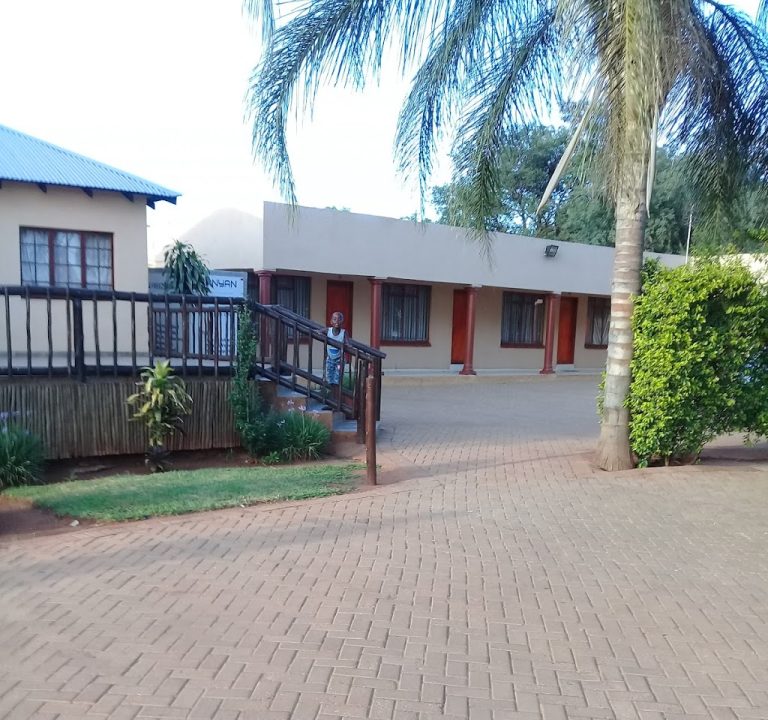
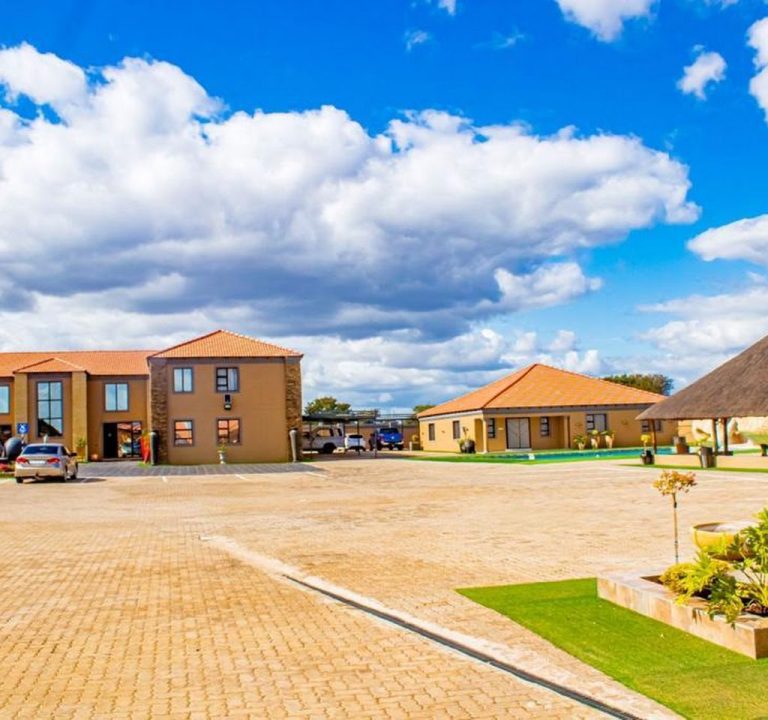
Accommodation in Giyani commonly emphasises a blend of comfort and authenticity. Expect rooms or chalets with en-suite facilities, air conditioning or fans for the subtropical heat, and spaces that invite outdoor living—think verandas, patios or viewing decks. Some properties may offer on-site dining, sundowner spots with sunset views, and communal lounges where travellers can share stories after a day of exploring. When booking, consider whether the property is fenced, whether a pool is available for cooling off after warm days, and if there are dedicated spaces for families or overnight staff to assist you during your stay.
Another practical consideration is the layout of the area you choose to base yourself in. Giyani stretches across a mix of town centre convenience, quieter rural lanes and access points to nearby game reserves or nature trails. Staying closer to town can provide easier access to basic services, small markets and casual eateries, while a more remote site may offer higher chances of peaceful wildlife viewing and sunrise safaris. If you’re travelling with vehicle access, confirm parking arrangements and whether self-drive safaris are feasible from your accommodation. For those relying on transfers, check if your lodge can arrange airport or regional transport and whether a taxi or car hire is recommended for independent day trips.
What to look for when booking includes a clear description of amenities and meals, reliability of housekeeping and security, and transparent policies on cancellations. In the region, it is common for lodges or guesthouses to offer breakfast as a standard inclusion with the option to add other meals. If you prefer to dine off-site, ensure you have access to a vehicle or local taxi options to nearby eateries or markets. Reviews from previous guests can give helpful insights into consistency of service, the friendliness of staff, and the overall atmosphere—vital factors when you’re planning a relaxed stay in a new destination.
Transport in and around Giyani is typically vehicle-oriented. A car or SUV makes it easier to explore at your own pace, visit nearby reserves, and access rural roads leading to guesthouses and lodges. If you do not drive, ask your accommodation about organised tours or guided day trips to nearby points of interest. Public transport options exist but can be less frequent outside the town centre, so arranging transfers in advance is advisable. For longer itineraries that include multiple stops, mapping out your driving routes and check-points helps avoid delays and ensures you make the most of daylight hours for activities.
The best time to visit Giyani depends on your priorities. The region experiences a warm climate for much of the year, with distinct wet and dry seasons. The dry period can be excellent for wildlife viewing, as animals tend to congregate around water sources, while the wet season brings lush landscapes and fresh birdlife. Early mornings and late afternoons are generally ideal for outdoor activities, offering cooler temperatures and good lighting for photography. If you are visiting for cultural experiences, aligning your stay with local markets or traditional performances can enrich your understanding of the area’s heritage. When planning, consider regional weather patterns and any seasonal closures at reserves or attractions.
Practical tips to help you enjoy your stay in Giyani:
- Pack lightweight, breathable clothing for daytimes and a light layer for cooler evenings; bring a hat, sun cream and insect repellent.
- Bring a neutral, easy-to-navigate map or a reliable GPS; offline maps can be handy in areas with limited signal.
- Plan for flexible mornings and evenings to take advantage of wildlife sightings and scenic light.
- Check with your accommodation about what meals are included, dietary options, and whether they can accommodate special requests.
- Respect local customs and rituals; engage with guides and staff to learn about the area's culture and biodiversity.
Beyond the lodge doors, Giyani and its surrounds offer a sense of wide-open spaces and time-honoured hospitality. Visitors often combine a restful stay with light adventure—guided game drives, birdwatching pockets, and walks through communities where traditional crafts, markets and cuisine reveal a vivid sense of place. Whether seeking a peaceful retreat or a gateway to broader wildlife experiences, Giyani presents a workable balance of accommodation, culture and nature in the Limpopo sunshine.