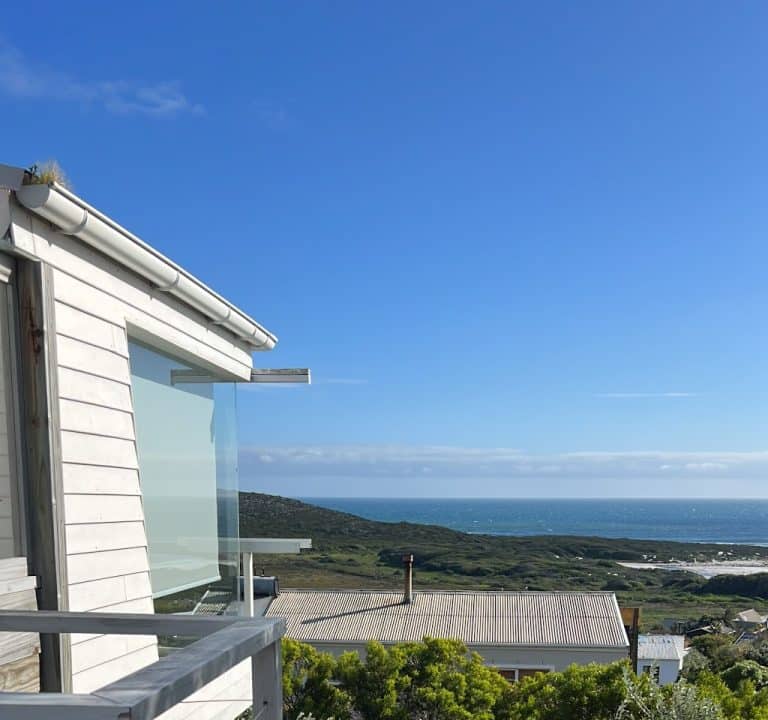
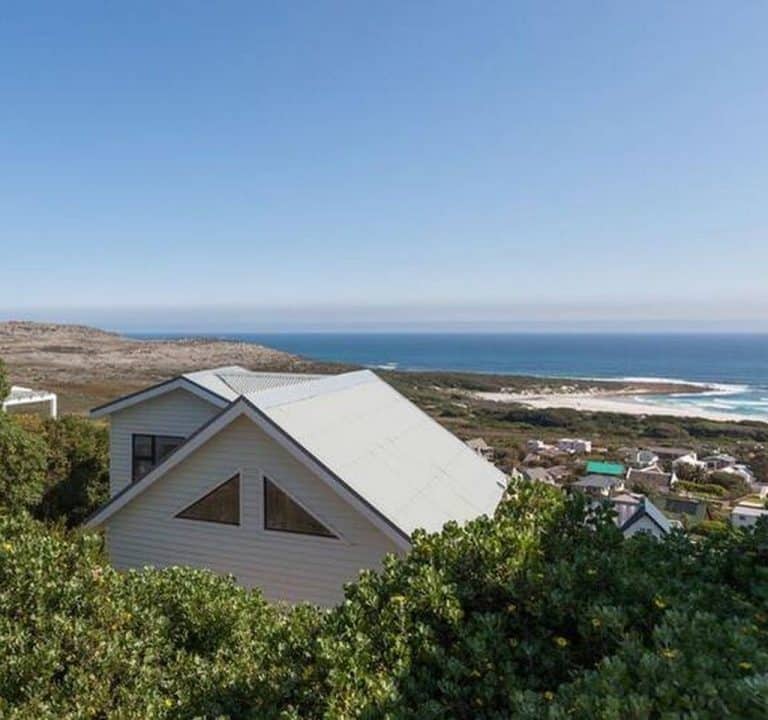
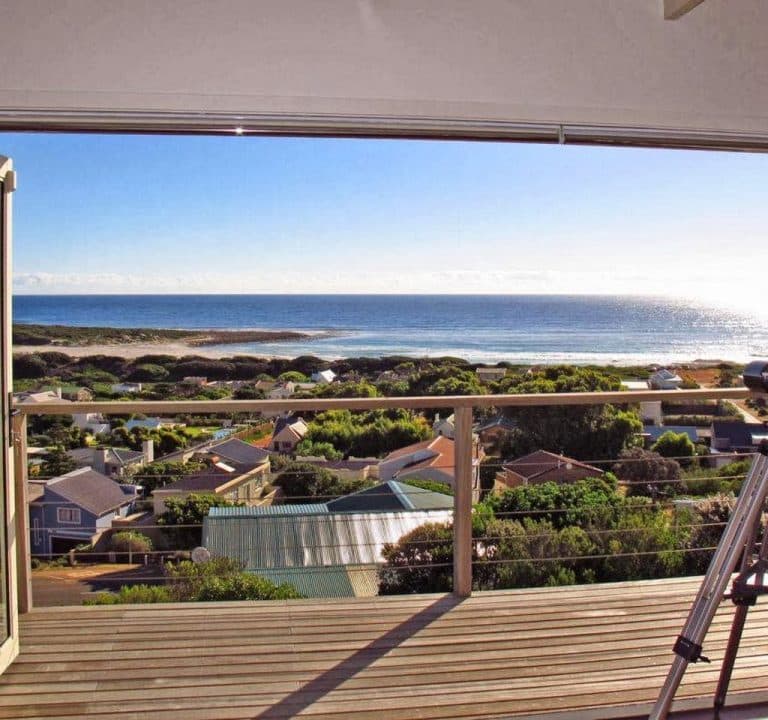
The Owl & the Pussycat is a Hotels establishment in Cape Town, Western Cape, South Africa
The Owl & the Pussycat: Solar Powered Home in Scarborough, Cape Town
The Owl & the Pussycat presents a distinctive stay in Scarborough, a coastal enclave in the Western Cape region of South Africa. Described as a solar powered home, the property signals a commitment to sustainability while offering a quiet retreat near the Atlantic coastline. The listing positions itself as a unique option for travellers seeking a laid‑back escape with a focus on responsible and alternative energy use, set against the backdrop of Cape Town’s rugged scenery.
Set within Scarborough’s relaxed seaside context, the property is noted for its environmental credentials and its location along a route known for natural beauty. The emphasis on solar power suggests an energy‑savvy approach to holiday living, aligning with visitors who appreciate eco‑friendly practices without compromising comfort. The listing highlights the distinctive character of a home that integrates convenience with a sense of place, inviting guests to unwind in a setting that feels both rustic and thoughtfully designed.
In terms of accommodation style, the offering is presented as a home rather than a traditional hotel room, which implies a private or semi‑private living environment. This kind of setup can appeal to travellers seeking more space, a homely atmosphere, and the freedom to self‑cater or live at a relaxed pace. The description signals a retreat where guests can settle into a quieter corner of the Cape Peninsula, away from busier tourist hubs, while still enjoying proximity to the region’s acclaimed beaches and dramatic coastal viewpoints.
Amenities and on‑site facilities are described at a high level, in line with the information available on the listing. The emphasis on a solar powered home suggests an energy‑efficient framework that supports modern comfort. Visitors may expect standard essentials associated with a self‑contained stay, with a focus on simplicity and eco‑conscious living. Specific details such as the number of bedrooms, kitchen facilities, or interior design elements are not enumerated in the available description, but the overall presentation supports a casual, home‑like atmosphere rather than a standard hotel experience.
Who this listing is best suited for can be inferred from its character and setting. It is likely to appeal to travellers who favour a more intimate, residential experience over a commercial, high‑rise accommodation. Nature lovers and outdoor enthusiasts may appreciate Scarborough’s proximity to the coastline and surrounding landscapes, while guests seeking a peaceful base from which to explore the Cape Peninsula could find the location advantageous. The solar powered angle may also attract environmentally minded guests who prioritise sustainable travel options when planning trips to South Africa.
Nearby highlights, while not exhaustively itemised in the accessible content, are consistent with Scarborough’s coastal appeal. Expect access to beaches and seaside scenery characteristic of the area, with opportunities for scenic walks and day trips along the Atlantic coast. For guests interested in wider Cape Town experiences, the listing sits within a region that commonly serves as a gateway to the peninsula’s natural beauty, coastal towns, and outdoor activities. While detailed proximity to specific attractions is not provided, the setting suggests a balance between a relaxed seaside retreat and convenient access to exploring the surrounding Cape Town area.
Booking and travel tips for this listing centre on understanding its distinctive nature. Prospective guests are encouraged to review the listing on Airbnb for a fuller sense of what the space offers, including any photos, guest reviews, house rules, and cancellation policies that apply. The solar powered feature marks a memorable talking point and a potential indicator of how the property approaches energy use and sustainability, which may influence packing decisions and daily routines during a stay. For travellers planning a Cape Town visit, arranging car travel or local transport can be a practical consideration, given the coastal location and the possibility of day trips to nearby towns and attractions.
The Owl & the Pussycat invites curiosity about a Cape Town stay that blends environmental sensibilities with a laid‑back coastal vibe. Visitors are advised to explore the listing directly for the most current information on availability, rates, and any updates to facilities or policies. For those drawn to a quieter, solar‑powered retreat in one of the Western Cape’s most scenic coastal corners, this accommodation offers a distinctive option that sits apart from conventional city‑centre choices. To learn more and book, visit the listing at airbnb.com/h/theowlandthepussycat.
Cape Town
Western Cape
7975
South Africa


Cape Town: Where to Stay, What to Do and How to Plan a Memorable Visit
Cape Town, in the Western Cape of South Africa, combines dramatic landscapes with a vibrant cultural scene. Whether you are seeking chic city stays, breezy coastal retreats, or tranquil vineyard escapes, there are accommodation options to suit every traveller. When planning a stay, think about what kind of experience you want: a buzzy urban base for easy access to dining and nightlife, or a quieter spot with sea views and outdoor activities on the doorstep.
Accommodation options range from cosy BnBs and guesthouses to stylish hotels and inland lodges. In the city bowl and central districts, expect compact rooms with smart layouts, walkable access to cafés and museums, and proximity to major transport links. Along the Atlantic Seaboard, including Sea Point and Camps Bay, you’ll find properties with sea views, outdoor spaces, and easy access to beaches. In Constantia and Stellenbosch, country-house style lodges and guesthouses often provide a more relaxed pace, with opportunities to explore vineyards and scenic drives in winelands country. For those seeking a more rustic or coastal vibe, coastal villages and neighbouring towns offer guesthouses and self-catering options with a focus on outdoor living and natural scenery.
Key factors to consider when booking include location, style, and transfer priorities. If you want to maximise time on the beach or morning hikes, look for stays in Sea Point, Camps Bay, Claremont, or Green Point with good access to beaches and local markets. If you prefer a short drive to the city’s highlights and dining precincts, the city centre or the Atlantic Seaboard can be ideal. For families or groups, self-catering apartments or larger suites can provide flexibility to prepare meals and enjoy private spaces. Check for features such as reliable wi‑fi, parking availability, security, air conditioning or heating, and kitchen facilities if you plan to cook.
Typical amenities to expect include private or en-suite bathrooms, comfortable beds with quality linens, well-equipped kitchens or kitchenettes, and common spaces where guests can relax. Some properties offer sun terraces, pool access, or garden areas, which are particularly welcome in warm months. Many modern stays provide eco-conscious touches, such as efficient lighting, recycling options, and, in some cases, renewable energy use. It can also be useful to note housekeeping routines and whether towels and toiletries are supplied, as these can vary between establishments.
Transport in Cape Town is straightforward but planning ahead saves time. The MyCiTi bus network is a convenient public option for city travel, while Uber or other ride-hailing apps are widely used for trips to beaches, markets, and restaurants. If you plan to venture further afield to the Cape Winelands, Cape Point, or the township areas, renting a car offers the most flexibility. Some areas feature limited on-street parking, so check parking details when you book. For those who enjoy walking, many central stays are near markets, coffee spots, and cultural venues, which helps reduce daily transport needs.
Best time to visit Cape Town depends on what you seek. The city has a Mediterranean climate with dry summers and wet winters. Peak tourist seasons are typically from January to March, when the days are long and sunny; however, these months can be busier and pricier. Spring (September to November) offers mild weather and blooming gardens, while autumn brings cooler evenings and often pleasant daytime temperatures. Winter (June to August) brings cooler, wetter conditions and can be a good time to find deals, with cosy dining rooms and fewer crowds.
Practical tips to help you plan a smooth stay:
- Set a realistic daily plan that balances iconic sights with time to relax. Cape Town’s natural attractions, such as beaches, viewpoints, and parks, can involve steep walks or driving between locations.
- Review access to viewpoints and reserves during your visit, as some areas may have seasonal closures or weather-related constraints.
- Pack layers to accommodate changing conditions—daytime warmth can give way to cool evenings near the coast.
- Book ahead for popular experiences or coastal dining, especially in peak seasons, to secure a preferred time slot.
- Explore sustainability-minded stays as part of your itinerary. For example, there are unique properties in the region that emphasise solar power and eco-friendly design, offering a different kind of lodging experience. See examples such as The Owl & the Pussycat, a solar powered home-style stay in Scarborough, for inspiration on how hosts integrate energy efficiency with guest comfort. More details can be found at the listing page: https://airbnb.com/h/theowlandthepussycat
When it comes to attractions, Cape Town offers a broad mix of experiences. Natural beauty sits alongside museums, markets, and gastronomy. In a single stay you can enjoy coastal walks with sea views, take a cable car up a dramatic point for panoramic city perspectives, wander historic districts, and dine at diverse South African eateries that showcase regional flavours. Rather than focusing on specific names, plan flexible days that allow you to explore cities, beaches, and hillside vineyards, while leaving space for spontaneous discoveries—one of the delights of touring this region.
In short, Cape Town rewards thoughtful planning: select a neighbourhood that matches the pace you want, choose accommodation with the amenities you need, and build a stay that blends sightseeing with downtime. By balancing city access with coastal or wineland trips, you can enjoy a well-rounded, comfortable stay in the Western Cape’s most famous destination.
Sorry, no records were found. Please adjust your search criteria and try again.
Sorry, unable to load the Maps API.
Why Claim Your Listing?
Claiming your listing on the B&B Finder directory website is a valuable opportunity for business owners. Here are five reasons why you should consider claiming your listings:
Control Over Business Information: By claiming their listing, business owners can ensure that all the information presented is accurate and up-to-date. This includes details such as contact information, address, pricing, and available services or amenities. Accurate information helps prevent customer confusion and improves overall satisfaction.
Enhance the Listing: Once a listing is claimed, owners can enhance it by adding more comprehensive information and rich media, like high-quality photos and videos. These additions can make the listing more attractive and engaging to potential customers, thereby increasing the likelihood of bookings.
Marketing Opportunities: Claiming a listing can also open up additional marketing opportunities. Owners may be able to participate in promotional campaigns, special offers, and other marketing activities organized by the directory. This can increase visibility and attract more customers to the business.