Accommodation and Attractions in Cape Town, Western Cape
Cape Town is a diverse destination where the mountains meet the sea, offering a range of lodging to suit all travellers—from coastal stays in leafy suburbs to boutique guesthouses in historic districts. When planning a stay, consider which neighbourhood will best serve your itinerary, access needs and preferred pace of travel. Areas such as the Atlantic Seaboard provide sea views and easy beaches, the City Bowl offers central convenience with quick access to cultural sites, and the southern suburbs deliver a relaxed, residential atmosphere with panoramic harbour and mountain glimpses. Don’t overlook the lesser‑ toured Cape Peninsula villages and coastal towns for a more tranquil base from which to explore nearby attractions.
Accommodation in Cape Town comes in many forms: boutique guesthouses tucked behind leafy lanes, family‑run lodges with personalised service, self‑catering apartments with kitchen facilities, and modern hotels with on‑site dining and wellness offerings. When booking, look for clear photos that reflect the real size and layout of the rooms, honesty about the property’s access (stairs, lifts, parking), and policies on noise, housekeeping, and cancellation. It’s also worth checking whether the establishment offers flexible booking terms, especially if travel plans may shift. For a more intimate experience, consider lodges or smaller guesthouses that emphasise local hospitality and a sense of place, sometimes with guided recommendations for nearby activities.
Typical amenities to expect include complimentary Wi‑Fi, secure parking (or convenient public transport links), daily housekeeping, and a choice of room configurations. Many properties provide breakfast or access to a communal kitchen, which can be convenient for travellers with early starts or late departures. If you require accessibility features, confirm room layouts, bathroom fittings, and lift access in advance. Guest feedback often highlights soft lighting, warm communal spaces, and views as elements that elevate a stay, particularly in scenic locations such as near the Atlantic coast or at the base of Table Mountain.
Transport in Cape Town is straightforward but varies by area. The city centre is well connected by modern bus networks and rideshares, while the Atlantic Seaboard and southern suburbs offer convenient car hire or taxi services. If you intend to explore the Cape Peninsula, a car is usually the most practical option, especially to reach places with limited public transport after dark. Some lodges and guesthouses arrange airport transfers or guided day trips, which can simplify logistics, especially for first‑time visitors. For guests staying near the city, a short walk or a quick Uber/metro service can connect you to major sights and dining hubs.
The best time to visit Cape Town depends on your priorities. Summer (December to February) brings long days, surfer beaches, and lively outdoor events, but also higher hotel demand. Autumn (March to May) offers milder weather and quieter streets, while winter (June to August) brings cooler, wetter days and occasional storms—great for fewer crowds and dramatic coastal scenery. Spring (September to November) is particularly pleasant, with blooming Kirstenbosch gardens and pleasant hiking conditions. Pack layers, sun protection for warm days, and a light rain jacket for the changeable coastal climate. If you plan outdoor activities such as hiking or coastal trips, mornings are often the best time for visibility and comfortable temperatures.
When exploring attractions, think of planning around a mix of iconic sights and slower‑paced experiences. Iconic possibilities include excursions to Table Mountain or the cable‑car area, scenic coastal drives along Chapman's Peak (where weather allows), and harbourfront strolls with views across the basin. Cultural and culinary offerings vary by neighbourhood, with museums, art districts, and a diverse restaurant scene that emphasises fresh seafood, regional produce, and multi‑cultural cuisines. For a balanced itinerary, allocate time to outdoor experiences—whether a coastal walk, a nature reserve visit, or a wider nature trail—followed by relaxed meals in nearby dining districts, and finishing with an evening in a local café or wine bar. If your stay includes a day trip, plan with a reputable operator or, if you prefer independence, map out routes along well‑signposted roads and park at designated areas near major viewpoints.
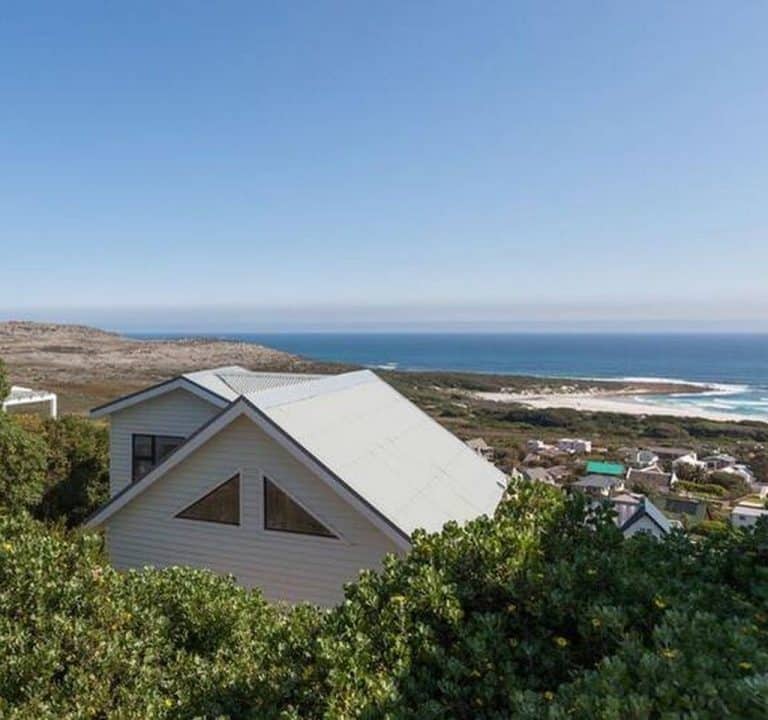
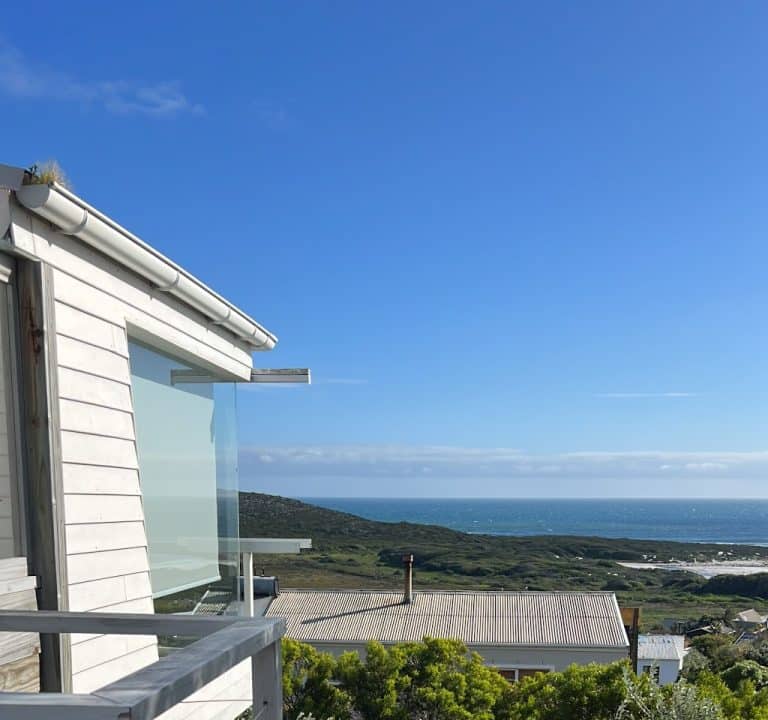
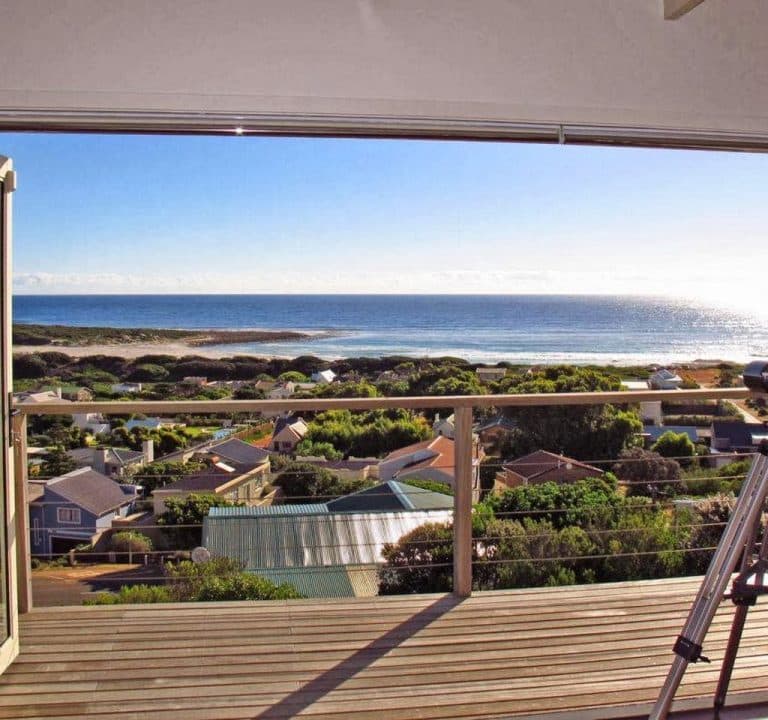
Scarborough Nature Lodge is an example of lodging situated in a coastal setting near Cape Town’s southern reaches. Such properties can offer a peaceful alternative to busier city centres while remaining accessible to main sights via a short drive or public transport. When staying in nature‑linked lodgings, you may encounter additional considerations such as wildlife or coastal weather, so pack accordingly and check any seasonal guidance provided by the property about activities, tides, and safety.
To help you plan, here are practical tips:
- Book accommodation with flexibility and clear cancellation terms in case plans change.
- Prioritise locations that minimise transfer times to your must‑see sites, while allowing easy access to dining and shops.
- Check for inclusive amenities such as breakfast, parking, and reliable Wi‑Fi, and whether the property offers guided local experiences.
- Validate transport options from the airport and between days’ activities, including whether a car is necessary.
- Read recent guest reviews for honesty about noise, cleanliness, and service quality.
For further inspiration and up‑to‑date information on Cape Town’s lodgings and experiences, consider visiting official tourism resources and local visitor pages, which often provide practical advice on seasonal events, best viewpoints, and area guides. A well‑planned stay that blends comfortable accommodation with easy access to natural beauty and excellent dining can make a visit to Cape Town both memorable and manageable.