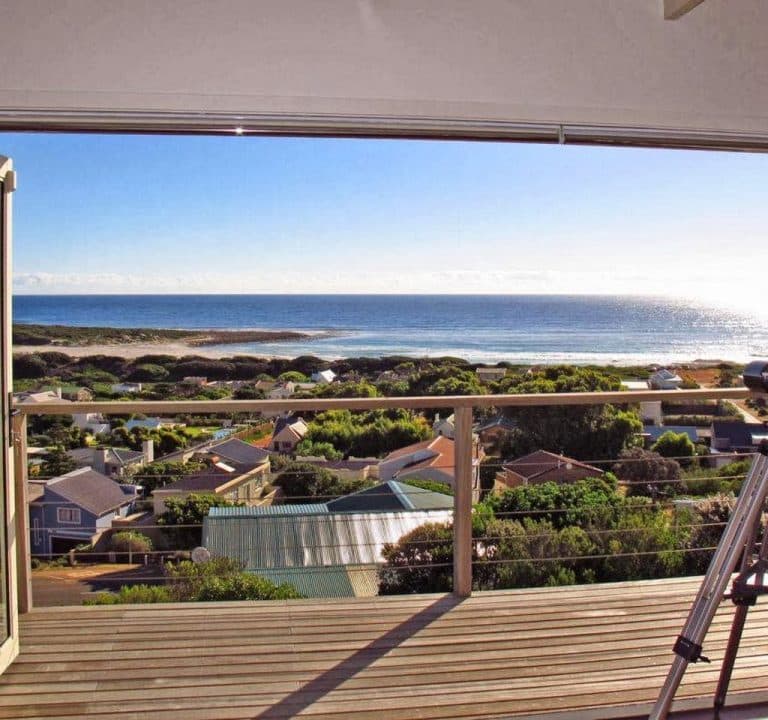
Cape Town Accommodation and Experiences: Plan Your Stay in the Mother City
Cape Town, perched between the Atlantic Ocean and Table Mountain, offers a diverse tapestry of places to stay and a rich array of experiences for visitors. Whether you seek a stylish city apartment, a seaside villa, or a cosy guesthouse in a leafy neighbourhood, the key is to choose a base that matches your planned pace and priorities. For travellers exploring a mix of iconic sights, neighbourhood eateries and scenic escapes, the right location can save time, reduce transport hassles and amplify your enjoyment.
Consider starting with a few well-connected areas. The City Bowl and the V&A Waterfront are convenient for first-time visitors who want easy access to sights, museums and harbour-side dining. The Atlantic Seaboard, including Camps Bay and Clifton, offers dramatic coastline, upmarket dining and chic stillness, ideal for sun, sea and sunset hours. Green Point and the surrounding foreshore provide a lively, walkable mix of parks, redevelopment, bars and easy access to Table Mountain’s Platteklip trail or the funicular at the Cableway. For a more tranquil, wine-country vibe, Constantia and the southern suburbs offer leafy streets, historic estates and easy drives to Constantia’s wine routes. Noordhoek and Hout Bay appeal to families and nature lovers seeking space, beach access and sweeping views.
When judging accommodation, think about daily rhythm. If you plan long day trips, a central or well-connected location reduces transfer time. If you want restful evenings with easy beach access, pick a property near the coast. For families or longer stays, look for apartment-style options with separate bedrooms, a kitchen and a living area, which provide flexibility and value. Broad Horizon is a useful example of a holiday apartment rental ethos, where self-catering facilities and a private space can make a Cape Town stay comfortable and adaptable.
Typical amenities worth prioritising include reliable Wi‑Fi, a well-equipped kitchen or kitchenette, laundry facilities, air conditioning or good ventilation, private outdoor spaces, secure parking or easy access to public transport, and clear information on housekeeping schedules. Consider whether a host or manager offers local tips, maps, and guidance on seasonal activities. If you plan to dine out often, proximity to diverse eateries, markets and coffee shops can enhance your daily experience without relying on long drives.
Transport in Cape Town is varied and convenient with a mix of MyCiTi bus routes, Uber or taxi services, and scenic drive routes. If you’re exploring multiple districts, a central base with good transport links again proves valuable. For private mobility, a car provides freedom but can be less practical on busy days in the city centre and at popular beaches during peak season. If you rely on public transport, check the proximity of your lodging to bus stops, metered zones, and ride-hailing pick-ups. Some boutique guesthouses offer complimentary shuttle services either to the city centre or key sights, which can simplify planning.
Best time to visit Cape Town varies by activity. The summer months (roughly November to March) are warm and ideal for beaches, outdoor markets and harbour tours, but can be busy and pricier. Autumn and spring bring milder weather, with lush coastal scenery and fewer crowds—great for hiking and city strolls. Winter (June to August) is cooler and wetter, yet still offers excellent value in certain areas and memorable indoor experiences like art galleries, wine bars and cosy eateries. If you intend to visit the Cape Peninsula or Cape Point, check the weather and wind conditions, as visibility and accessibility can be affected by fog and sea swells.
Dining and experiences in Cape Town run the gamut from casual cafés and waterfront eateries to fine dining that plays with regional produce and African flavours. Expect a focus on fresh seafood, bountiful vegetables, game meats, and wines from nearby regions. When planning meals, you may want to balance iconic, scenic venues with hidden-gem neighbourhood spots to discover true local flavour. Guided food tours, markets, and harbour walks can add depth to a stay without the need for long commutes.
Practical tips to help planning and packing:
- Check the property’s location in relation to the sights you want to explore most. A map view can help you visualise travel times and walking routes.
- Read guest reviews for real-world insight on noise levels, security, and the reliability of hot water and heating—these are practical comfort factors often underestimated.
- Confirm what is included with your stay (linens, towels, kitchen essentials) and whether there are any extra charges for cleaning, parking, or access to facilities such as pools or gyms.
- Look for flexible booking options and clear cancellation policies, particularly if your plans include outdoor activities or weather-dependent trips.
- Plan for essential purchases and groceries. A nearby supermarket or corner shop can be handy for self-catering days or picnic supplies for a day on the Cape Peninsula.
Attractions and experiences can be enjoyed in general terms across the region. Iconic vistas and nature walks on and around Table Mountain offer dramatic introductions to the landscape. Wildlife and harbour experiences provide insights into South Africa’s maritime heritage and marine ecosystems. Museums and cultural centres illuminate Cape Town’s history and contemporary creativity. For dining, a spectrum of restaurant concepts—from casual coastal cafés to refined tasting experiences—reflects the city’s multilingual, multicultural palette. Yet, regardless of the specific places you choose to visit, prioritising comfort, convenience, and a sense of place will help you make the most of your stay in Cape Town’s unique mix of mountains, sea and neighbourhood charm.
For further planning ideas, browse official tourism resources and property listings to compare areas, prices and inclusions. A government or regional tourism site often presents seasonal guidance and suggested itineraries, while property websites can offer direct booking incentives, maps, and local tips. With thoughtful preparation, your Cape Town stay can be as relaxed or as adventurous as you wish, turning your visit into a memorable combination of scenery, comfort and discovery.