Staying in Cape Town: where to stay, what to expect, and how to plan your visit
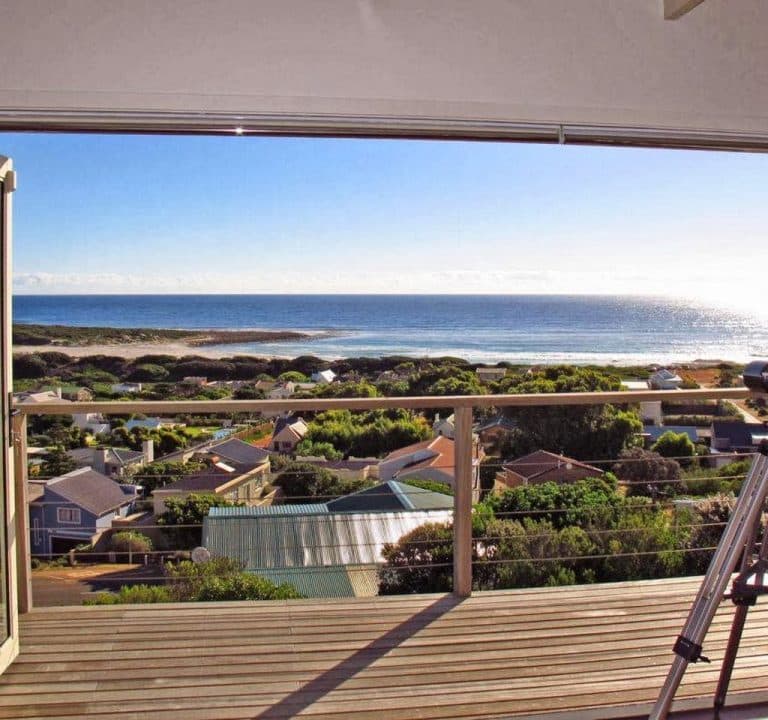
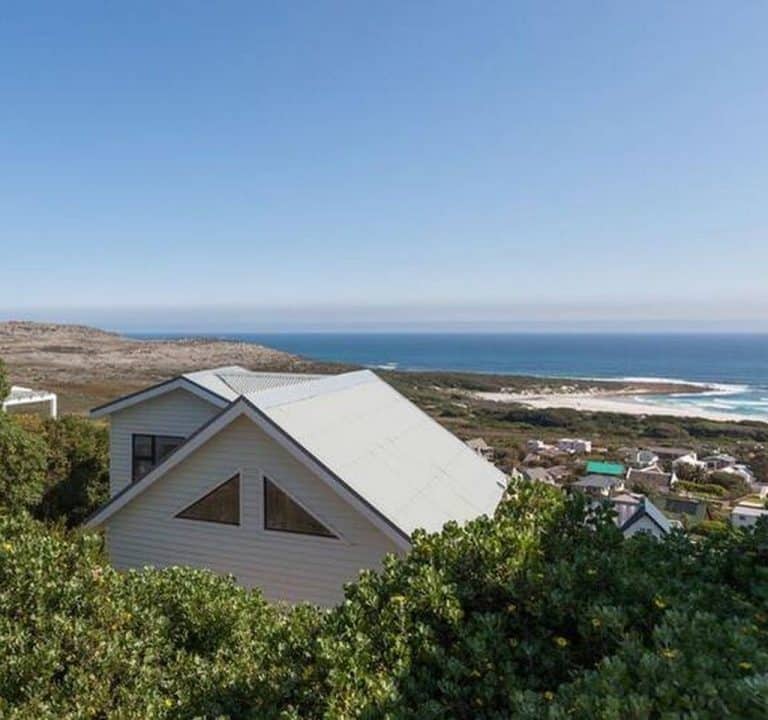
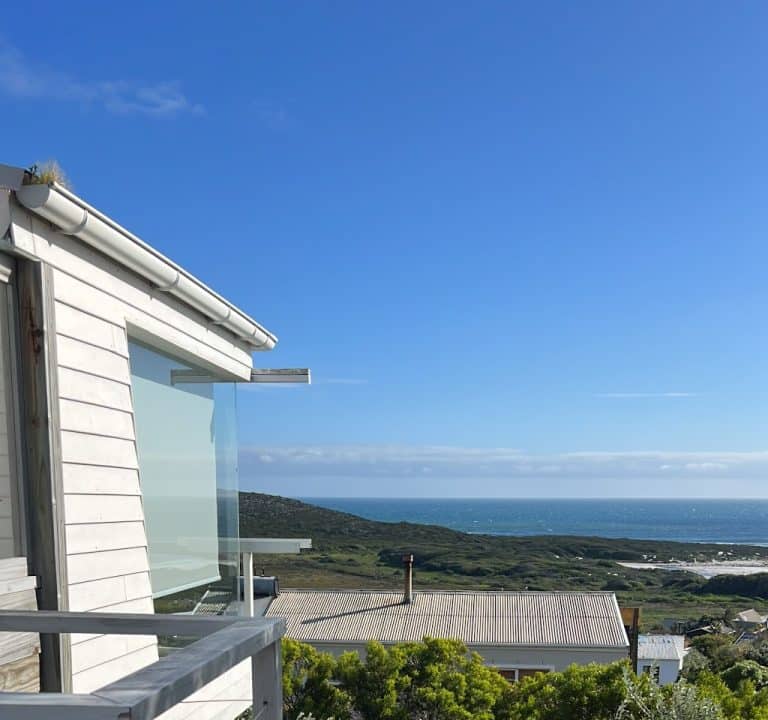
Cape Town offers a diverse mix of accommodation options that suit different budgets and travel styles, from family-friendly guest houses to stylish boutique hotels and self‑catering apartments. When planning a stay, think about the area that best matches your priorities—scenic views, convenience to the city centre, proximity to the beach, or access to the Winelands and nature trails. A good starting point is to consider a home base in areas such as the Atlantic Seaboard for sea views and easy beach access, the city bowl for culture and dining, or the southern suburbs for a quieter, leafy atmosphere close to natural attractions. One example of a guest house you might encounter in this mix is Fynbos Hill, a property designed to offer a calm, plant‑rich setting with easy reach to the surrounding attractions.
When choosing accommodation, look for clarity on what is included in the rate. Many Cape Town properties offer essential conveniences such as reliable Wi‑Fi, a private or communal lounge, and secure parking. If you rely on public transport or plan to hire a car, check whether the property provides easy access to major routes and whether parking is available onsite. For those who prefer a more hands-off stay, consider properties with breakfast included, on‑site reception and staff available for guidance, and options for arranging airport transfers or day trips. If you value personalised tips, a guest house with resident hosts can offer local recommendations for alternative dining, markets, and less‑touristy activities.
Typical amenities to look for include en‑suite bathrooms, air conditioning or ceiling fans (Cape Town can be warm in summer), well‑equipped kitchens or kitchenettes, and outdoor spaces such as terraces or balconies with views. In coastal areas, some accommodations provide direct access to pools, gardens, or pathways to beaches. In cooler months, a cosy common area with a fireplace or under‑floor heating can be a welcome feature. If you’re visiting for nature or hiking, a property with easy access to nature trails, reserves, or scenic viewpoints can reduce daily travel time and enhance your itinerary.
Transport in Cape Town is a mix of reliable but busy roads, modern MyCiTi buses in certain areas, and ridesharing options. If you plan to explore outside your base, it is practical to choose a central location with straightforward routes to major attractions and day trips. Consider hiring a car if you want maximum flexibility, especially for trips to the Cape Winelands, Chapman's Peak Drive, or the Cape Peninsula coastal route. For those who prefer not to drive, look for access to organised tours or guest hoists that can arrange day trips to the Cape of Good Hope, Boulders Beach, or Kirstenbosch Gardens, with a driver or guide. Within the city, many areas are walkable or bikeable, particularly the Victoria & Alfred Waterfront precinct and the historic Bo-Kaap area, but peak traffic and steep hills can make walking long distances tiring in heat or wind.
The best time to visit Cape Town depends on what you want from your stay. The city enjoys Mediterranean‑like summers from November to March, with warm days and sea breezes, ideal for beach time and outdoor activities. Shoulder seasons in spring and autumn offer milder temperatures and quieter attractions, making it pleasant for sightseeing and hiking. Winter (June to August) can be rainy and cooler, yet it is also a good time for museums, markets, and culinary experiences, often with lower accommodation rates. If you’re planning coastal drives or mountain hikes, plan for variable weather and pack accordingly—layers, a waterproof jacket, and sturdy footwear are always wise choices.
Attractions and experiences are plentiful and varied, but you don’t need to book every activity in advance to enjoy Cape Town. Iconic natural scenery includes the iconic Table Mountain, the dramatic coastline, and renowned botanical displays in nearby Kirstenbosch National Botanical Garden. The city offers vibrant markets, eclectic dining scenes, and historic neighbourhoods with panoramic viewpoints. In terms of dining, Cape Town’s restaurant scene emphasises fresh produce, regional wines, and a mix of casual eateries and refined establishments. When selecting restaurants, look for places that highlight local ingredients and offer variations to suit different tastes, while being mindful of opening hours and peak dining times. If you wish to explore further afield, day trips to nearby wine farms, penguin colonies, and coastal towns provide memorable experiences with a local flavour.
To help you plan effectively, here are a few practical tips:
- Book accommodation with a flexible cancellation policy where possible, and confirm what is included in your rate (breakfast, parking, housekeeping, and access to common areas).
- Read recent guest reviews to gauge consistency in service, cleanliness, and the responsiveness of staff.
- Balance your days between scenic outdoor activities and indoor cultural experiences to accommodate weather changes.
- Consider a mix of locations to maximise variety—stay a few nights near the central city for ease of dining and shopping, and spend a couple of nights near the coast for beach and harbour explorations.
- Check transport options from your accommodation to major sights and whether the property can arrange airport transfers or tours.
For more inspiration and practical planning, you can explore official tourism sites and travel guides that cover Cape Town’s highlights, routes, and practical travel information. With thoughtful planning, your stay in Cape Town can be a balanced mix of scenic splendour, cultural discovery, and relaxed hospitality, whether you are drawn to boutique guest houses, contemporary hotels, or family‑run lodges in leafy suburbs.