Cape Town: Accommodation and Experiences for a Memorable Stay
Few places in the world offer such a rich mix of scenery, culture and cuisine as Cape Town. When planning a stay in this diverse city, travellers typically balance location, type of accommodation and what they wish to experience beyond the hotel walls. From mountain vistas and coastal walks to bustling markets and fine dining, a well-chosen base can enhance every day of your trip.
Areas to consider include the city bowl and central harbour for easy access to business districts, museums and historic sites; the Atlantic Seaboard, where kilometres of coastline meet stylish eateries and shops; and the Southern Suburbs, which offer leafy streets, boutique guesthouses and a slower pace while still being well connected. For a more laid-back beach vibe, the Atlantic coast around Camps Bay and Clifton has stylish self-catering options and dramatic sunsets. If you’re seeking family-friendly stays with easy access to nature, destinations closer to Kirstenbosch Botanical Garden or Constantia offer spacious self-catering or guesthouse layouts with private terraces or gardens.
When choosing accommodation, think about what you value most. Do you want a central perch with quick access to the city’s sights and nightlife, or a quieter spot near the shore or mountain trails? Self-catering homes, boutique guesthouses and well-appointed hotels each have virtues: self-catering can offer flexibility for longer stays or family trips; guesthouses often provide personalised service and insider tips; and hotels give predictable services and facilities such as concierge help, on-site dining and daily housekeeping.
Typical amenities to look for include reliable Wi‑Fi, well-equipped kitchens or kitchenettes, secure parking, and clear access to local transport. A comfortable living area and sufficient bedroom spaces are especially important for groups or families. If you plan to explore on foot or by rental car, check proximity to major routes, major attractions and convenient bus or taxi services. Some properties provide airport transfers or shuttle options, which can simplify transitions after arrival.
Transport in Cape Town ranges from Uber and local ride-hailing services to MyCiTi buses and MyCiti hop-on routes. If you’ll be visiting several areas or venturing to the Cape Peninsula, a compact vehicle makes day trips easier. For those who prefer not to drive, look for accommodation near reputable transport links or within easy walking distance of attractions and eateries. In many neighbourhoods, car parking is a useful perk, particularly if you plan early-morning excursions up Table Mountain or along the Atlantic coast.
The best time to visit Cape Town depends on what you want from your trip. Spring and autumn (September–November and March–May) offer mild temperatures, promoting comfortable sightseeing and outdoor activities. Winter (June–August) can be cooler and wetter, but is also a quieter period with opportunities to find good-value stays. Summer (December–February) is peak season, with warmer sea temperatures and longer daylight hours, ideal for beach days and outdoor markets. If you’re planning coastal hikes, wildlife viewing or water activities, consider the weather forecast and sea conditions as part of your itinerary.
Practical planning tips help ensure a smoother stay. Book accommodation with flexible cancellation policies where possible, especially if travel plans might shift. Compare the property’s location relative to the experiences you want—distance matters more in a city where traffic and parking can be unpredictable. When arranging stays, confirm laundry facilities if you’re self-catering for longer periods, and check whether the property offers essentials such as fresh towels, bed linen and kitchen basics. If your trip has a culinary focus, look for places with a recommended or well-reviewed breakfast or access to on-site dining, while also planning principled restaurant reservations to sample a range of Cape Town’s diverse dining scene.
As you plan activities, consider a mix of landmark sights and local experiences. Iconic attractions like viewpoints over Table Mountain, easy coastal walks, and accessible city tours sit well alongside explorations of vibrant neighbourhoods and markets. For meals, Cape Town offers a spectrum from casual beachfront cafés to elegant dining rooms with views. Rather than chasing specific names, aim to explore districts where a cluster of eateries and bakeries can showcase the best of the region’s flavours and produce. For example, in and around the central areas you may find modern eateries alongside historical precincts with cafés and light bites, while the coastal stretch offers venues with sea views and a relaxed, convivial vibe.
- Choose a base with easy access to your must-see areas and take advantage of flexible booking terms.
- Check for essentials such as strong Wi‑Fi, a well-equipped kitchen, safe parking and reliable security.
- Plan your transport strategy in advance, balancing walking, rideshares and local transit.
- Pack for a range of conditions, from sunny sea days to cooler evenings on the Cape wind.
- Incorporate a mix of free nature experiences (parks or beaches) and paid experiences (guided tours or tastings) to balance your budget.
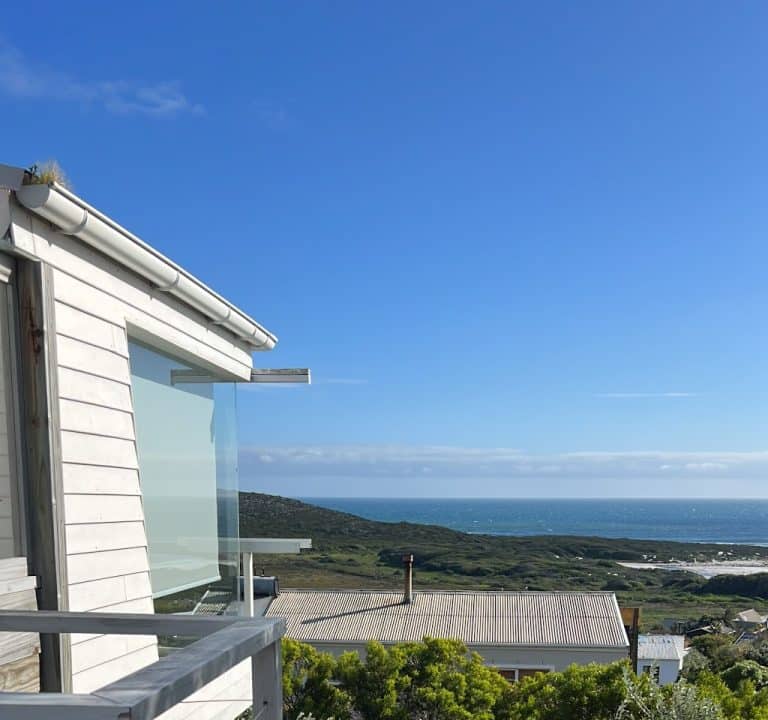
One example of a self-catering option you might encounter in the region is Scarborough Beach House, a short journey from the city and positioned to offer an independent, home-style stay with convenient access to coastal activities. For more information, prospective guests can visit the property’s official website at Scarborough Beach House.
Ultimately, a well-planned Cape Town stay blends comfortable accommodation with diverse activities, thoughtful transport choices and a sense of curiosity about the city’s cuisine and culture. With careful preparation and a flexible mindset, your visit can be as relaxed and rewarding as the scenery is spectacular.