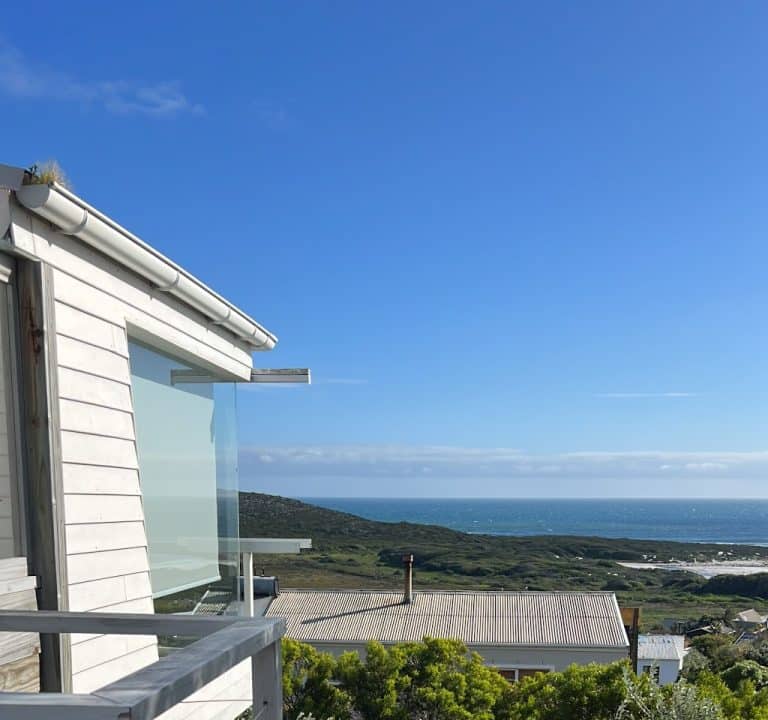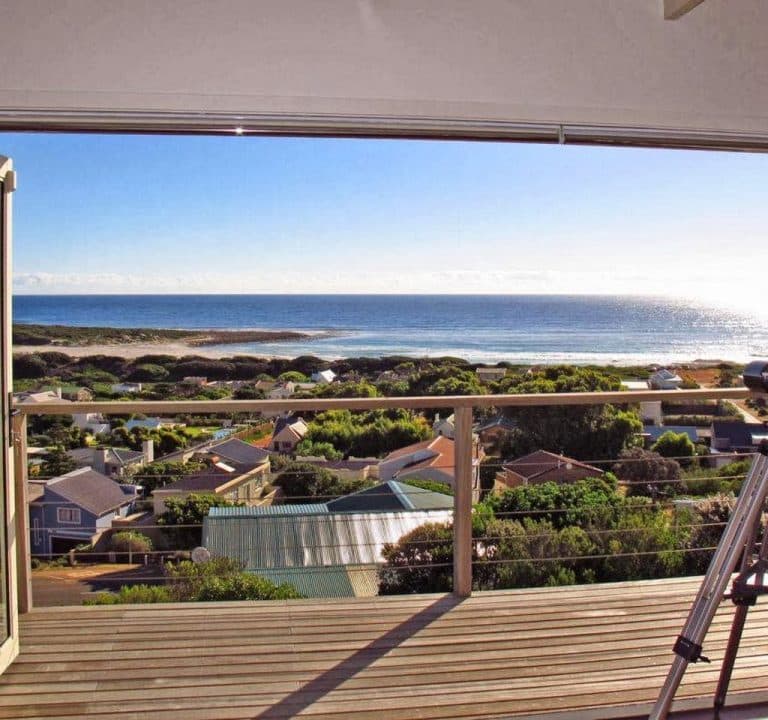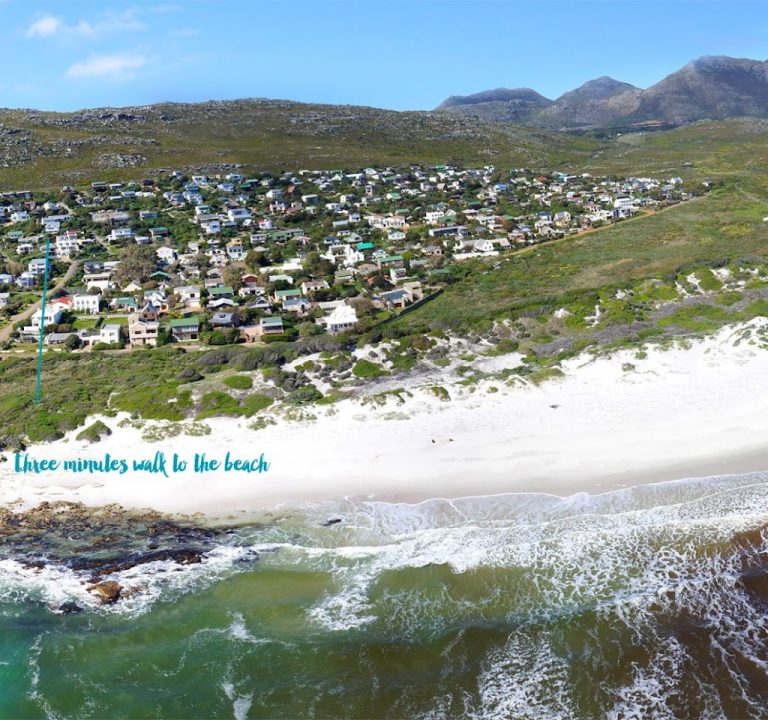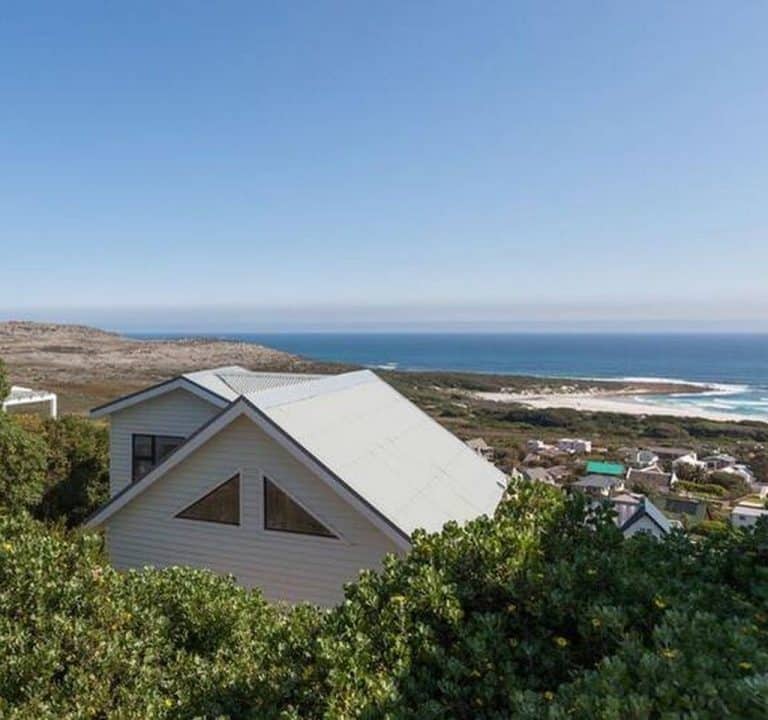
Sea Sea Me is a Self-catering accommodation establishment in Cape Town, Western Cape, South Africa
About Sea Sea Me, Cape Town
Sea Sea Me is described as a guest-facing stay in Cape Town, situated in the Western Cape of South Africa. While the official page currently returns a technical 404, the property is positioned within a city known for its natural beauty, maritime heritage, and cosmopolitan energy. The site’s absence of detail means that prospective guests will need to consult official channels for the latest information on availability, exact accommodation configuration, and on-site facilities.
In the broader sense, Cape Town remains a destination famed for its picturesque table setting and diverse neighbourhoods. Visitors typically seek experiences that combine restful stays with convenient access to both iconic viewpoints and local culture. For Sea Sea Me, this could translate into a traveller-friendly option that aligns with contemporary city lodging expectations, offering a retreat after days spent exploring the surrounding Atlantic coastline, mountains, and markets.
Because the source content provides limited specifics, this overview focuses on how a visitor might approach a stay in Cape Town and what to consider when evaluating a property like Sea Sea Me. The emphasis is on comfort, location, and practicality—qualities often valued by travellers who want a straightforward, well-placed base from which to discover the city’s delights.
Anyone planning a trip to Cape Town may appreciate a stay that offers easy access to a mix of experiences. A well-chosen base can support daytime adventures—from coastal walks and harbour sights to vibrant dining scenes—while offering a comfortable space to unwind afterwards. When evaluating accommodation, travellers commonly look for clarity on room configurations, amenities, and policies, as well as transparent booking terms and nearby conveniences such as transport links, markets, and dining options.
- Booking and policies: Look for clear information on room types, cancellation terms, payment requirements, and check-in/check-out procedures.
- Amenities and facilities: Verify what on-site features are available, such as Wi‑Fi, private bathrooms, air conditioning, or kitchen access, to plan daily itineraries accordingly.
- Location and accessibility: Consider the neighbourhood context, proximity to beaches, attractions, and transport routes to optimise sightseeing time.
- Local experiences: Explore whether the property offers insights or partnerships with local guides, markets, or activity recommendations to enhance the stay.
- Pricing and value: Compare nightly rates, inclusions, and any additional charges to determine overall value for money.
For travellers seeking a Cape Town base, the most reliable approach is to use the official Sea Sea Me website or contact the property directly through the provided channels to obtain current details on room types, amenities, and policies. The site link remains the best route for updated information and direct booking options. In the meantime, Cape Town’s offerings—spectacular coastline, Table Mountain vistas, and a diverse culinary scene—remain compelling reasons to plan a visit, with lodging choices that support comfortable, well-located stays.
Cape Town
Western Cape
7975
South Africa


Cape Town: Smart stays, memorable experiences, and practical planning for your visit
Cape Town sits at the foot of iconic scenery, where mountains meet the sea and a city buzzes with diverse culinary, cultural and outdoor experiences. Whether you are seeking a cosy self-catering break, a boutique guesthouse with character, or a modern apartment near the waterfront, there are plenty of options to suit different budgets and travel styles. When planning a stay, it helps to think about how you will move around, which neighbourhoods best fit your interests, and how long you want to linger in one area before venturing further afield.
Self-catering and boutique accommodations can offer a convenient base for exploring the region. A property such as Sea Sea Me, a self-catering option, can provide the flexibility to prepare meals at home while still enjoying easy access to neighbourhood amenities. When booking, look for clear listings of what is supplied in the kitchen, bed linens, and towels, as well as whether housekeeping or linen changes are included. Reading guest reviews can give a sense of how well the space is maintained, how spacious it feels, and how responsive the host is to practical questions.
Areas to consider include the City Bowl for convenience and proximity to nightlife, dining, museums, and leafy streets; the Atlantic Seaboard for beach access and scenic drives; and the southern suburbs for larger properties, harbour views, and a quieter pace. The V&A Waterfront offers easy access to ferries and excursions, while neighbourhoods near Camps Bay and Clifton provide dramatic sea views and a resort-like ambience. For a more intimate, neighbourhood-focused stay, consider areas such as Green Point, Boulders Beach vicinity, or Kalk Bay, each with its own character and easy transport links to the centre and coastal routes.
Typical amenities that influence your stay include a well-equipped kitchen or kitchenette, reliable wi‑fi, climate control or portable fans/heaters, on-site parking, and good security. If you plan to self-cater, confirm what staples are provided and whether there is convenient access to supermarkets or local markets. For guests who prefer a hotel or guesthouse vibe, look for daily housekeeping, on-site reception, laundry facilities, and whether breakfast is included or available nearby. Accessibility is another practical consideration; if stairs pose a challenge or you travel with heavy luggage, check for ground-floor rooms or lifts in multistorey properties.
Transport options in Cape Town vary by area. The city has a decent MyCiTi bus network and ride-hailing services, but some routes are more convenient from certain neighbourhoods than others. If you plan day trips along the coast or to nature reserves, a rental car can be useful, though you can also organise guided excursions or use trusted tour operators. Proximity to major transport hubs—such as the city centre, Cape Town International Airport, or the V&A Waterfront—can save time, especially if you are on a compact itinerary. When selecting accommodation, verify parking arrangements if you intend to drive, and consider whether the property offers secure storage for luggage after check-out if you have a late departure.
The best time to visit Cape Town depends on what you want to do. Spring (September to November) brings wildflowers and pleasant weather for outdoor activities, while autumn (March to May) offers warm days and quieter streets. Summer (December to February) is busy with holidaymakers, longer days, and marine life sightings along the coast, but you may need to book well in advance for popular areas. Winter (June to August) brings cooler weather and occasional rain, yet the city’s museums, markets, and cafés can still be thoroughly enjoyable. Pack layers to adapt to sea breezes and the changing winds around Table Mountain, and plan outdoor activities for the mornings when conditions are often calmer.
When it comes to attractions and experiences, Cape Town offers a broad spectrum without needing to pin down every detail in advance. Iconic natural landmarks, scenic drives, and coastal pathways provide the frame, while museums, markets, and reputable eateries add flavour to the stay. Plan a mix of outdoor exploration—such as a hike or a coastal walk—with a day dedicated to cultural highlights and a relaxed afternoon in a park or harbour area. For dining, Cape Town’s culinary scene ranges from casual eateries to fine dining, along with vibrant markets and seaside cafés. In general terms, look for venues that emphasise fresh, local ingredients and a convivial atmosphere, and reserve popular seats in advance when possible, especially on weekend evenings or peak seasons.
Practical tips to help you navigate the stay smoothly:
- Book early for peak periods and consider shoulder seasons for better availability and value.
- Read listing descriptions carefully for what is included in the price and what you need to supply yourself.
- Check transport access and parking, particularly if you plan day trips along the coast or to the Cape Winelands.
- Pack appropriate clothing for changeable coastal weather and strong winds on the mountain slopes.
- Use reputable operators for tours and excursions, and verify safety credentials before joining any activities.
- Respect local communities, especially in more residential areas, and be mindful of noise and waste disposal during evenings.
To explore options and get a flavour of what a Cape Town stay could look like, you can visit Sea Sea Me for a self-catering base that combines convenience with access to the city’s many attractions. For more inspiration, browse guidance on regional routes, coastal towns nearby, and practical planning tips on trusted travel sites. With careful planning, your Cape Town visit can balance comfortable accommodation with health, safety, and a memorable mix of landscapes and flavours.
Website: Sea Sea Me.
Sorry, no records were found. Please adjust your search criteria and try again.
Sorry, unable to load the Maps API.
Why Claim Your Listing?
Claiming your listing on the B&B Finder directory website is a valuable opportunity for business owners. Here are five reasons why you should consider claiming your listings:
Control Over Business Information: By claiming their listing, business owners can ensure that all the information presented is accurate and up-to-date. This includes details such as contact information, address, pricing, and available services or amenities. Accurate information helps prevent customer confusion and improves overall satisfaction.
Enhance the Listing: Once a listing is claimed, owners can enhance it by adding more comprehensive information and rich media, like high-quality photos and videos. These additions can make the listing more attractive and engaging to potential customers, thereby increasing the likelihood of bookings.
Marketing Opportunities: Claiming a listing can also open up additional marketing opportunities. Owners may be able to participate in promotional campaigns, special offers, and other marketing activities organized by the directory. This can increase visibility and attract more customers to the business.