Discovering Cape Town: where to stay, what to do, and how to plan your visit
Cape Town combines dramatic natural beauty with a vibrant, well-connected city setting. When planning a stay, consider which neighbourhood best fits your interests, budget and pace. From sweeping sea views and mountain backdrops to historic streets and modern cafés, the city offers a range of accommodation styles, from boutique guesthouses to contemporary city hotels and self‑catering options. With careful planning, you can balance restful breaks with easy access to the area’s headline sights and hidden gems.
Areas to consider
- City Centre and the Foreshore: Ideal for first‑time visitors who want to be within easy reach of museums, markets, and public transport. Look for properties with easy access to the MyCiTi bus network and safe street access, especially after evening activities.
- V&A Waterfront and Green Point: Great for families and travellers who prefer a lively harbour vibe, walkable promenades, and proximity to shops and seasonal entertainment. Properties here often offer sea views and modern conveniences.
- Garden Route–Constantia and Southern Suburbs: Perfect for wine lovers and those seeking lush scenery, with many guesthouses and boutique hotels tucked into quiet, leafy streets. Easy access to Constantia Valley wines and scenic drives up to the mountains.
- Camps Bay and Clifton: For beach lovers and sunset seekers who want stylish rooms with sea vistas and a relaxed coastal atmosphere. Expect higher prices in peak seasons, but superb coastal walks and dining options nearby.
- Bo-Kaap and the Latin Quarter: Enchanting streets, colour and character, with guesthouses and small hotels that offer a taste of historic Cape Town in a walkable central zone.
What to look for when booking
- Location balance: proximity to the sights you plan to enjoy, plus access to safe transport options at night.
- Security and access: properties with controlled entry, secure parking if you’re driving, and clear information about neighbourhood safety.
- Room configuration and amenities: en‑suite bathrooms, reliable Wi‑Fi, air conditioning or heating, a reliable kitchen or tea/coffee facilities, and laundry options if you’re staying longer.
- Stays and flexibility: consider cancellation policies, whether breakfast is included, and options for early check‑in or late check‑out during peak periods.
- Guest experiences: look for genuine guest reviews that mention service quality, cleanliness and responsiveness, rather than solely focusing on price.
Typical accommodation types and what to expect
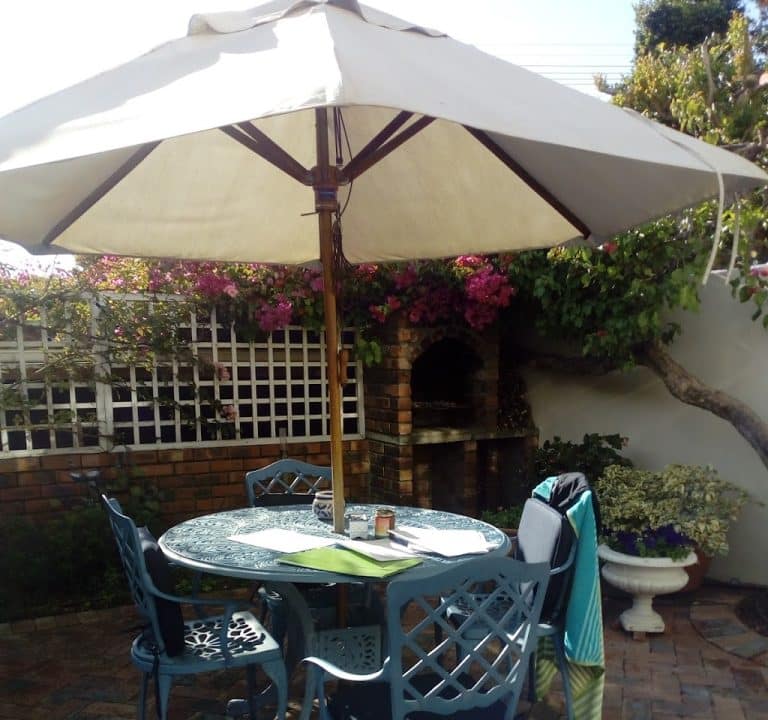
From intimate private rooms in guesthouses to stylish boutique hotels and self‑catering apartments, Cape Town offers varied stays. Many properties emphasise warmth and hospitality, with hosts who can provide local tips on day trips and dining. In coastal areas, rooms or suites often feature balconies or terraces with sea or mountain views. Inland stays may focus on bright living spaces and easy access to hiking trails or verdant gardens. If you’re staying in a boutique property, you might enjoy thoughtful touches, such as curated local snacks, bath products, or personalised recommendations for a day out.
Transport and getting around
Cape Town’s city centre is compact enough for walking in many areas, and one of the city’s advantages is its relatively straightforward transport links. MyCiTi buses connect major zones, with routes that cover the central business district to popular beachfront areas. Taxis and rideshares are common for evening outings, while rental cars are convenient for exploring the winelands and scenic drives along the coast. If you’re inclined to self‑drive, plan for a little extra time during peak traffic and to navigate some hilly streets in the city bowl and coastal routes.
Best time to visit and practical tips
The climate in Cape Town is temperate and varies with the seasons. Peak visitor months tend to be spring and summer (October to March), when the days are longer and outdoor activities are abundant. Winter (June to August) brings cooler weather and occasional rain, but it can still be a rewarding time for crowds to be thinner and for museum days or wine experiences. Pack adaptable clothing for layering, comfortable walking shoes for uneven pavements, and a lightweight rain layer for sudden showers. Sunscreen and a hat are useful even on breezy days on or near the coast.
What to do and see in general terms
While specific venues are best explored in person or via updated guides, Cape Town offers outstanding natural and cultural attractions. Look for possibilities around Table Mountain and the surrounding foothills, coastal walks along the Atlantic Seaboard, and day trips to nearby winelands. Visitor experiences often include guided walks, harbour cruises, and markets that celebrate local crafts and foods. Dining options range from casual cafés to more refined restaurants that showcase South African produce and coastal flavours, with many venues prioritising seasonal menus and sustainable sourcing.
Practical planning tips
- Book accommodation with flexible policies during shoulder seasons to maximise value and avoid peak crowds.
- Check whether your chosen area offers easy access to the activities you want, and whether there are pleasant routes for walking or cycling.
- Consider a mix of lodging types for variety—perhaps a couple of nights in a city‑centre guesthouse followed by a longer stay in a coastal or winery area.
- Make reservations for popular dining spots and activities in advance, especially in peak travel periods.
- Stay aware of weather forecasts and plan outdoor activities for mornings, with indoor options for afternoons or sea breezes in the late day.
Whether you prioritise a restful base with sea views, a city‑centre hub for easy access to museums and markets, or a quiet retreat among vineyards, Cape Town invites you to design a stay that blends comfort with discovery. For inspiration on stays that suit a relaxed, traveller‑friendly itinerary, consider boutique options such as a well‑appointed boutique lodge or an intimate guesthouse, where hosts can share their favourite local routes and eateries. For more information and planning ideas, you can browse accommodation listings and official tourism resources through reputable travel websites.