Discovering Cape Town: where to stay, what to do and practical tips for visitors
Cape Town blends coastal splendour with dramatic mountains, rich history and a thriving dining scene, making it a superb destination for a multi‑stop stay. When choosing accommodation, consider the mix of scenery, accessibility and neighbourhood character to create a balanced itinerary. From the lively heart of the City Bowl to the glistening shores of the Atlantic Seaboard, every area has its own rhythm and attractions.
De Kaap House, a guest house styled with thoughtful comfort, is a good starting point for travellers seeking a welcoming base in or near central Cape Town. Its location can influence daily plans, helping you maximise daylight, plan scenic outings and sample a range of local eateries without long commutes. Whether you travel for culture, family time or a romantic break, a well‑placed stay can save time and add convenience to your plans.
Areas to consider when planning your stay
- City Bowl and De Waterkant: proximity to museums, markets, theatres and the curves of Table Mountain’s lower slopes. This area is ideal for guests who value walking access to cafés and cultural amenities.
- Green Point and Mouille Point: a short hop from the harbour, with access to beaches and coastal paths. Great for those who want a breezier, maritime atmosphere with easy transport links.
- Gardens and Tamboerskloof: quieter neighbourhoods close to Kirstenbosch Botanical Garden and the historic central district, offering a mix of guest houses, boutique hotels and residential guest rooms.
- Atlantic Seaboard (Sea Point, Camps Bay, Clifton): renowned for dramatic coastal views, longer walks along the promenade and higher-end accommodation options. Suitable for guests seeking scenery and sun as well as tranquillity.
- Constantia and the southern suburbs: ideal for visitors who prefer a peaceful stay with easy access to wine estates, vineyards and hiking trails, while still being within reach of the city’s attractions.
What to look for when booking
- Location balance: proximity to the main sights you want to visit (Table Mountain access, waterfront activities, or markets) and practical transit routes.
- Parking and transport: on‑site parking or easy access to public transport, rideshares, or rental cars. Cape Town’s hills and narrow streets can be challenging without a plan.
- Amenities: reliable Wi‑Fi, secure storage, quiet rooms, good heating or air conditioning, guest‑facing lounges, and reliable breakfast service if you want a straightforward start to the day.
- Safety and privacy: check for well‑lit streets, secure entrances, and clear staff availability. Read recent guest reviews for insight into comfort and security.
- Breakfast and dining: a hearty breakfast can simplify mornings, but many properties also offer privacy and dining options for later meals or takeaway.
- Accessibility: if needed, verify access for guests with reduced mobility and the presence of lifts, ramps or ground‑floor rooms.
Typical features you may encounter
- Comfort-focused interiors with en‑suite bathrooms, blackout curtains and ample storage.
- A mix of private rooms and shared facilities, depending on whether you book a guest house, boutique hotel or small lodge.
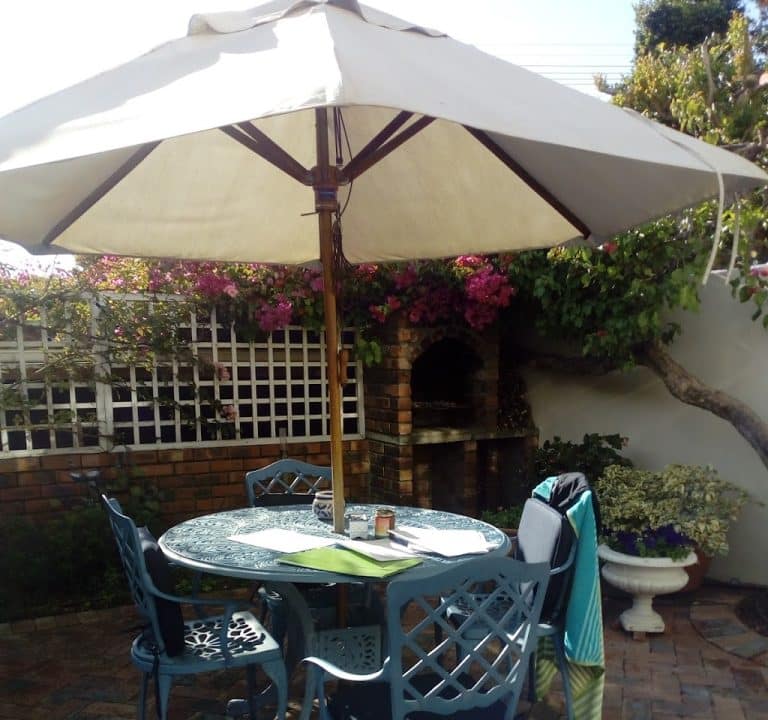
- Outdoor spaces such as patios, courtyards or rooftop terraces with views of the mountain or sea.
- Lazy, communal living spaces where guests can swap travel tips, plan day trips or simply unwind after a day of sightseeing.
- Practical extras like self‑catering facilities, nearby markets, or kitchen access for longer stays.
Attractions and experiences in general terms
Cape Town offers a blend of natural beauty and cultural discovery. Iconic landscapes include the cable‑car summit of Table Mountain, the botanical splendour of Kirstenbosch, and the rugged beauty of Cape Point and the Cape Peninsula drive. Along the coast, beaches and scenic coastal routes invite both relaxed strolls and active cycle trips. Historical sites and museums tell the story of the city’s diverse communities, while markets and art precincts showcase contemporary South African creativity. For a flavour of local life, venture into vibrant neighbourhoods with streets lined by cafés, independent shops and markets, then unwind with a sunset view over the water.
Restaurants and dining
Around Cape Town, you’ll find a broad spectrum of dining options, from casual cafés to refined bistro and fine‑dining experiences. Many districts offer a mix of global influences and local produce, with menus that showcase seafood, grilled dishes and South African favourites. When planning meals, consider light options earlier in the day for outdoor activities, and save evenings for gastronomy or sunset suppers in beachfront or mountain‑backdrop settings. Even if you opt for self‑catering, exploring nearby delis and bakeries can be part of the day’s enjoyment.
Best time to visit
- Summer (December to February) brings warm days, longer daylight hours and coastal activities.
- Autumn (March to May) offers milder temperatures and quieter streets, often with excellent hiking conditions.
- Winter (June to August) can be cool and windy but is still viable for city sightseeing and indoor experiences.
- Spring (September to November) yields blooming gardens and pleasant weather for outdoor exploration.
Practical tips for a smooth stay
- Plan for sun protection, hydration and layered clothing to adapt to Cape Town’s rapidly changing weather.
- Allow flexibility in your schedule to accommodate weather-sensitive activities such as Table Mountain outings or coastal day trips.
- Use reputable transport options and pre‑book when possible, especially for popular hikes or sunset experiences.
- Check cancellation policies and seasonal variations in availability when booking accommodation.
Website and resources
- Official tourism information can help with current events, markets, and seasonal happenings. Consider exploring official regional sites to inform your itinerary and accommodation choices.
With careful planning, a well‑chosen base in Cape Town can unlock a wealth of experiences—from mountain vantage points to harbour strolls, market days to leisurely beach evenings. Whether you prioritise a stylish base with easy access to dining or a quieter doorstep to nature, the city invites you to tailor your stay to your interests and pace.