Accommodation and Experiences in Cape Town, Western Cape: Where to Stay and What to Do
Cape Town offers a diverse mix of places to lay your head, from intimate bed & breakfasts to stylish boutique hotels and family-run guesthouses. Choosing the right neighbourhood can shape your entire stay, helping you balance scenery, convenience and budget. Whether you want table-setting views over the ocean, easy access to iconic sights, or a quieter hillside retreat, there is an option to suit.
When planning a stay, consider the following areas and their character. The city bowl and the V&A Waterfront provide central access to attractions, excellent dining, and nightlife, with many properties boasting walkable access to sights and a short drive to beaches. Green Point and De Waterkant offer a lively urban vibe with close proximity to the harbour, parks and cliff-top walks. Camps Bay and Clifton sit on the Atlantic Seaboard for dramatic beaches and sunset scenery, but can be busier in peak season. For a quieter, leafy setting, Constantia and Observatory offer easy access to vineyards and a more laid-back atmosphere, while Woodstock and Observatory can appeal to those seeking design-forward stays and a true neighbourhood feel. For a day trip, nearby Constantia Valley and the Cape Winelands are well worth exploring.
When you look to book, think about what you’ll be doing most days. If you plan to spend long hours exploring Table Mountain, the Cape Botanic Garden, or the beaches, you’ll want easy access to transport routes or parking. If you’ll be returning late, a secure entrance, 24-hour reception, or a trusted neighbourhood may matter more than sheer size. Transport options include the city’s public MyCiTi bus network, ride-hailing services, and rental cars. Many guesthouses and B&Bs can arrange airport transfers or recommend trusted drivers, which can save time and offer local insight.
Typical amenities across Cape Town’s accommodation range include complimentary breakfast (a hallmark of many B&Bs and guesthouses), free Wi-Fi, private en-suite bathrooms, and often panoramic views. In city-centre stays you may find air conditioning, on-site parking, and access to shared lounges or terraces. Boutique properties frequently distinguish themselves with personalised service, curated décor, and locally sourced food. A family-friendly option might provide larger suites, child-friendly spaces, and practical facilities such as laundry services or kitchenettes.
Practical tips for planning your stay:
- Check distance to your must-see sights and the nearest transport links.
- Read recent guest reviews to gauge reliability, cleanliness, and noise levels.
- Confirm breakfast arrangements, parking options, and whether there are any pre- or post-occupancy cleaning fees.
- Ask about accessibility if you have mobility considerations or travel with children.
- Look for options with flexible cancellation policies in case plans change.
Arrival and daily rhythms vary seasonally. Cape Town experiences warm, dry summers and mild, wet winters. The best time to visit for beach days is typically late spring through early autumn (roughly September to April), when the sea is inviting and the days are long. Winter can be cooler and wetter, but the landscape is lush and the city is less crowded. Shoulder seasons often offer good value and pleasant weather for strolling markets, harbour visits, and short hikes.
Beyond a comfortable bed, consider which experiences you’d like to pair with your stay. In general terms, you’ll find a wealth of gastronomic possibilities—brightly designed eateries and established restaurants offering seafood, Cape Malay influences, and modern fusion dishes. Rather than anchoring your itinerary to specific outlets, look for places with consistent local acclaim, a sense of place, and strong wine pairings from nearby Stellenbosch or Constantia. Family-run cafés and markets can provide a taste of everyday life, while fine-dining venues showcase Cape Town’s creative culinary culture.
Iconic natural and cultural attractions are easy to combine with a well-chosen base. Practically, many visitors begin with a cableway or hike up Table Mountain, a drive along the Atlantic Seaboard to catch the coastline’s panorama, and a visit to historic Robben Island, or the Company’s Garden for a gentle stroll. The Cape Peninsula offers scenic day trips with dramatic coastal views, penguin colonies, and rugged headlands. For wine lovers, a trip to the nearby Constantia or Stellenbosch valleys can be a perfect complement to a stay in the city, often with winery tours and tastings that run at a relaxed pace.
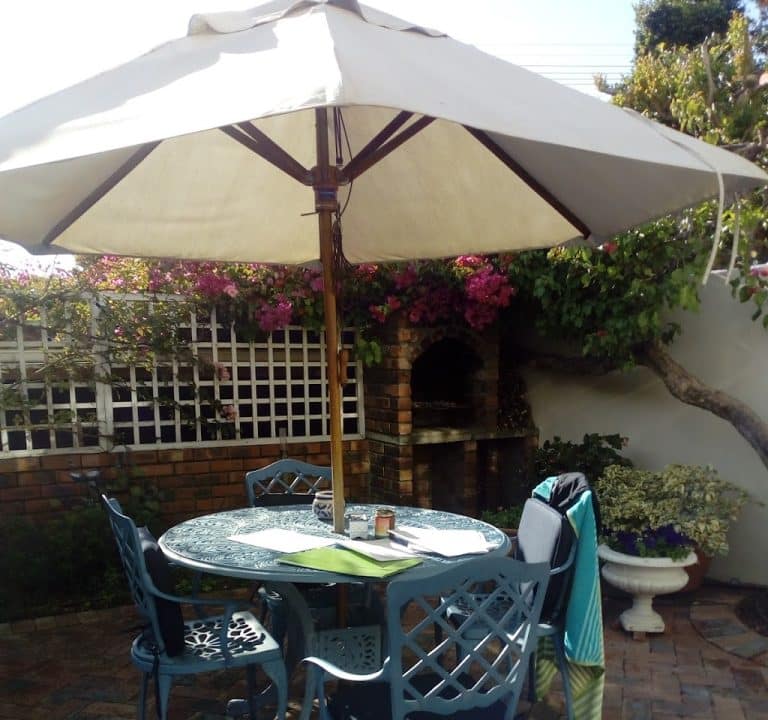
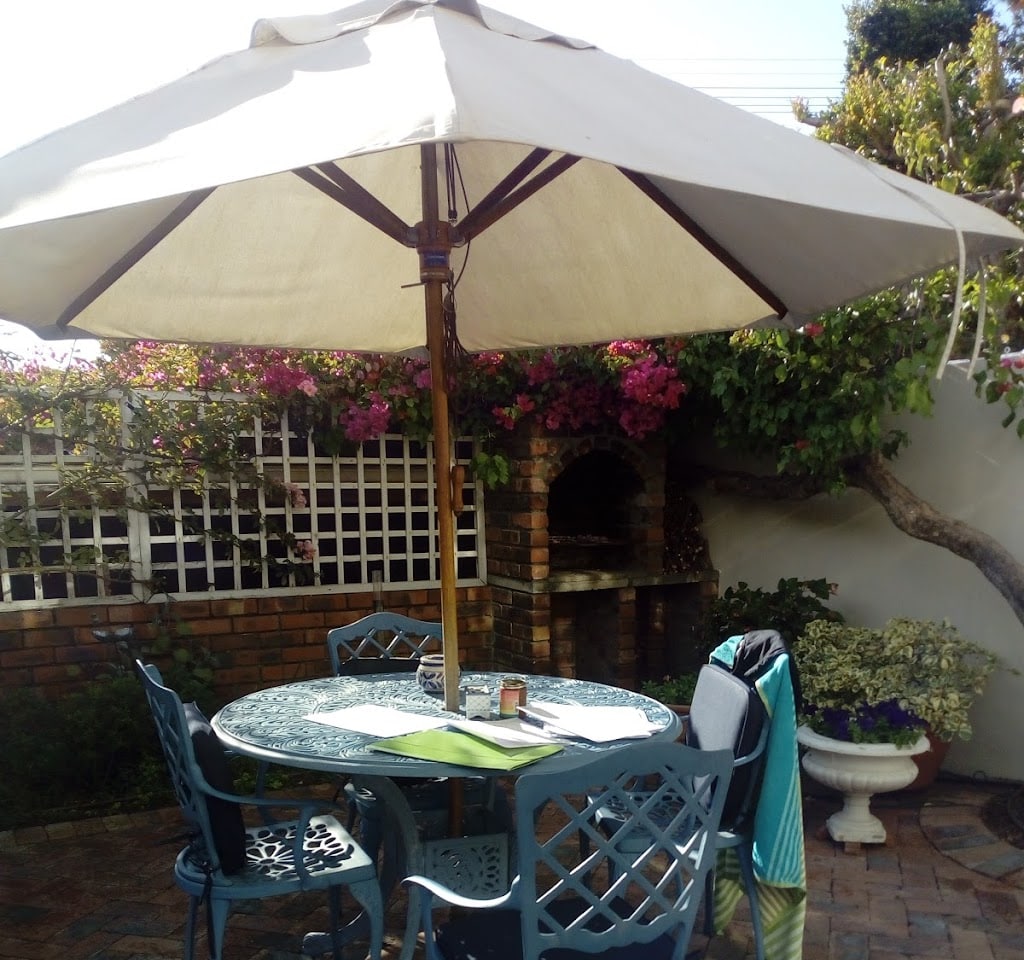
For those seeking specific B&B character, Frog’s Leap B&B is an example of how a smaller property can offer a thoughtful stay, with attention to detail, personal service, and a sense of home while you explore the region. When exploring any property listing, review the photos for room layouts, shared spaces, and the presence of a terrace or garden, as these can significantly enhance your downtime between adventures. If you prefer a self-contained option, many guesthouses and small hotels provide kitchen facilities or adjacent cafés, which can be convenient for families or longer stays.
To plan effectively, start with a shortlist of two or three preferred neighbourhoods, match them to your must-see list, and balance travel time with rest. For more inspiration on what to do and where to stay in Cape Town, you can consult official tourism resources and reputable travel guides online. A well-chosen base combined with a mix of active days and relaxed evenings will help you make the most of the city’s beauty and variety.