A traveller’s guide to accommodation and experiences in Cape Town, Western Cape
Cape Town is a city of remarkable contrasts, where mountains meet the sea and vibrant neighbourhoods offer a welcome blend of culture, cuisine and easy access to nature. When planning a stay, choosing the right area and a comfortable base can define your overall experience. The city caters to a wide range of travellers, from independent explorers to couples seeking a romantic escape, and the surrounding region offers day trips that showcase the famous landscapes and flavour of the Western Cape.
Neighbourhoods and where to stay. The Atlantic Seaboard and Camps Bay are renowned for coastal views, stylish guesthouses and a touch of cosmopolitan glamour. The Constantia Valley is ideal for wine lovers and quiet mornings, with lush scenery and easy access to vineyards. The City Bowl puts you at the historic heart of Cape Town, close to museums, markets and a thriving nightlife. Bo-Kaap, with its colourful houses and steep lanes, offers characterful guesthouses and a cultural immersion, while Green Point and De Waterkant provide convenient access to the V&A Waterfront, excellent dining options and transport links.
What to look for when booking. Consider proximity to your planned activities, public transport routes and how much time you’ll spend in transit. If you plan early mornings on the slopes of nearby mountains or long days exploring Table Mountain and the Peninsula, a central base with easy access to MyCiTi bus routes or hire-car options can save you precious time. Check for a reputable host or property management, clear housekeeping arrangements, and flexible cancellation policies. For stays that blend comfort with character, look for guesthouses and boutique hotels that offer thoughtful touches such as well-equipped kitchens or breakfast services, secure access, and attentive staff who can tailor recommendations for your interests.
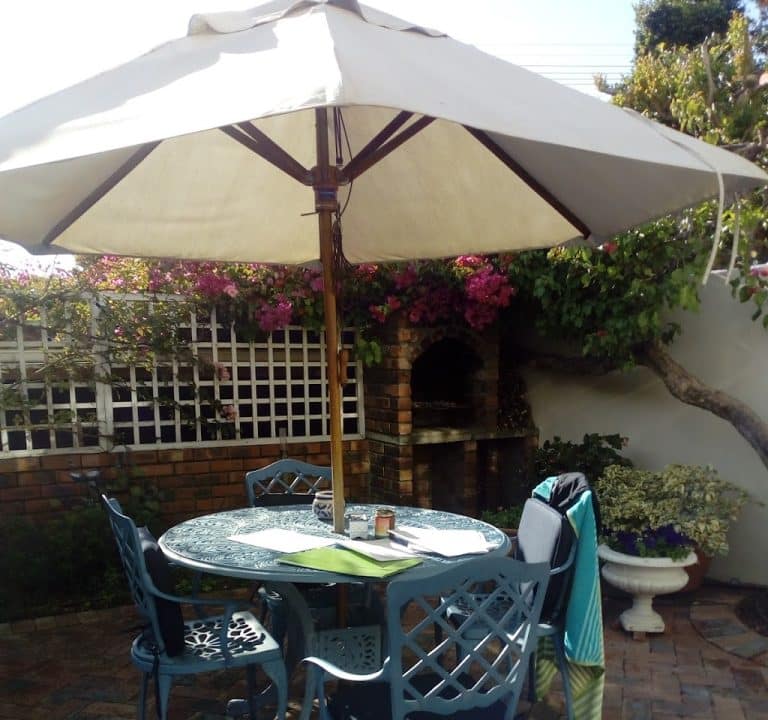
Typical amenities to expect. Cape Town’s accommodation range includes boutique guesthouses, modern lodges and self-catering apartments. Common features include en-suite bathrooms, comfortable bedding, reliable Wi‑Fi, and often a lounge or patio with views. Some properties offer extra perks such as a swimming pool, on-site parking, garden terraces, or shared kitchen facilities. Breakfast arrangements vary from continental to full-service options, and many hosts can arrange airport transfers and guided experiences. If you prefer privacy, consider self-catering options or suites within a guesthouse, which combine the warmth of a small property with independent space.
Transport and getting around. The city is served by a network of buses and taxis, with ride-hailing apps widely used. Driving allows for maximum flexibility, particularly when visiting locations outside the immediate city centre. If you rely on public transport, plan routes that link your accommodation to the waterfront, Table Mountain Aerial Cableway, and the southern suburbs where scenic drives and coastal beaches await. For day trips to the Cape Winelands or the Cape Peninsula, it is sensible to book a reputable tour or hire a car for the day. Pack a reusable water bottle, comfortable walking shoes and weather-appropriate clothing, as Cape Town’s conditions can change quickly, especially near the coast and at higher elevations.
Best time to visit. Cape Town has a temperate, Mediterranean climate with warm, dry summers and cooler, wet winters. The peak tourist season runs from late spring to early autumn (approximately September to April), when daylight hours are longer and outdoor activities are most enjoyable. Shoulder seasons offer excellent value and fewer crowds, while winter brings rain and cooler temperatures that can transform coastal scenery. Coastal walks, harbour strolls and vineyard visits can be enjoyed year-round, but plan indoor activities for unfavourable weather and take advantage of seasonal culinary offerings when they appear.
Accommodating stays with a plan in mind. When you book, think about how you want to structure your days. A base near the CBD or the Waterfront makes it convenient to explore museums, markets and city tours, while a stay in Constantia or the southern suburbs makes day trips to the peninsula or wine routes more straightforward. If your itinerary includes a lot of outdoor activities—such as hiking Table Mountain, visiting national parks in the surrounding areas, or driving along coastal roads—choose accommodation with easy access to parking and a comfortable room to unwind after a busy day. For a more intimate experience, consider a guesthouse that emphasises local hospitality, with hosts who can offer personalised recommendations for restaurants, markets and hidden beaches.
Dining and experiences. Cape Town’s culinary scene ranges from contemporary eateries to casual bistros and markets where regional flavours shine. In general terms, you’ll find a strong emphasis on seafood, fresh produce and modern takes on traditional South African dishes. Dining can be a highlight of a stay, from waterfront spots with harbour views to hilltop venues offering sunsets over the Atlantic. For activities, consider city walking tours that explore neighbourhood histories, a cable car ride up Table Mountain for panoramic views, or a wine-tasting trip to nearby vintages. For a sense of local life, visit markets and speciality food shops that showcase regional flavours, crafts and sustainability-minded producers.
- Plan your stay around the balance between city access and coastal or vineyard days.
- Check cancellation policies and communication responsiveness before confirming a booking.
- Ask hosts for practical tips on safe transport, parking, and less-visited sights.
Practical tips for a stress-free visit. Arrive with a rough timetable but remain flexible to allow spontaneous discoveries. Pack a light wardrobe to accommodate Cape Town’s varied microclimates—warm sun at the waterfront can give way to chilly winds on the hills. Budget for a mix of paid and free activities, and keep in mind that some attractions operate by seasonal hours. Most importantly, engage with the city’s neighbourhoods respectfully, supporting local businesses and communities as you explore the scenery and culture that make Cape Town such a dynamic destination.