Staying in Cape Town: Where to stay, what to book, and how to make the most of your visit
Cape Town remains a versatile hub for travellers, offering a wide range of accommodation from stylish hotels and boutique lodges to guesthouses and self‑catering apartments. When planning a stay, consider not only comfort and price but also how easy it is to reach the places you want to explore, and how close you are to transport links, eateries and cultural sites. The city’s diverse neighbourhoods each offer a distinct flavour, and a well‑chosen base can simplify sightseeing and dining without long commutes.
Popular areas to consider include the city bowl and surrounding central districts for easy access to markets, museums and historic streets; the V&A Waterfront for a nautical, family‑friendly atmosphere with waterfront views and vibrant dining; Camps Bay and Clifton for beachside ambience and sunsets; Green Point and Sea Point for a cosmopolitan vibe with parks and foreshore walks; the southern suburbs for leafy streets, boutique hotels and easy access to Constantia wine routes; and the Constantia Valley itself for a quieter, countryside feel within reach of Cape Town’s best vineyards. If you prioritise dramatic scenery and outdoor activities, a stay near Table Mountain’s foothills or along the Atlantic Seaboard can be particularly appealing.
When booking, look for a few practical comforts that make travel easier. Key amenities to prioritise include reliable Wi‑Fi, a comfortable bed with quality linens, a well‑equipped en suite or dedicated bathroom, heating or air conditioning, and a reliable front desk or guest services team. For longer stays or family travel, a kitchenette or access to on‑site dining can be a real convenience. Security matters in Cape Town, so ask about 24‑hour reception, controlled access, and safe on‑site parking if you need it. If you’re sensitive to light or noise, a quiet room away from street traffic and a soundproofing check can improve sleep quality, especially if you’re adjusting to a busy city pace.
Typical accommodation styles you may encounter include:
- Hotels offering a range of rooms, on‑site dining, and concierge services
- Boutique lodges and guesthouses emphasising character, personalised service and local flair
- Self‑catering apartments or villas with kitchen facilities for flexible eating options
- Guesthouses with intimate, homely atmospheres and often more affordable pricing
Transport is a practical consideration. Cape Town’s public transport includes a growing MyCiTi bus network that covers many tourist zones, though it varies by route. Taxis and rideshare services are widely available and convenient for evening outings. If you’re renting a car, you’ll want to know about secure parking options and easy access to major routes that lead to the Cape Peninsula’s scenic drives and the wine regions. For day trips, some accommodations can arrange guided tours or provide a helpful concierge desk to organise excursions to nearby attractions and activities.
The best time to visit Cape Town balances weather, crowds and costs. The late spring to early autumn period (October to April) offers longer days, milder seas and a lively outdoor scene, though popular beaches and scenic viewpoints can get busy during peak season. Autumn (March to May) is lovely for fewer crowds and pleasant temperatures. Winter (June to August) brings cooler weather and occasional rain, but it can be calmer in central districts and a good time to enjoy museums, markets and indoor dining. If you’re planning outdoor adventures such as hiking or coastal drives, it helps to check Sea Conditions and wind forecasts, especially along the peninsula’s exposed coastlines.
Practical planning tips to keep in mind:
- Book in advance for peak period travel, especially if you want a specific neighbourhood or a sea‑view room.
- Check cancellation policies and understand what flexibility you have if plans change.
- Assess the proximity to your planned activities and whether you’ll need a car or rely on public transport.
- Look for options with off‑street parking if you’ll be driving, or easy access to rideshares and taxi services.
- Pack layers to accommodate changing temperatures between day and night, particularly near the coast and in higher elevations.
Within Cape Town’s accommodation landscape you may encounter diverse hospitality concepts, including hotels that provide structured services and amenities, and guesthouses or boutique lodges that offer more intimate, personalised experiences. For travellers seeking a well‑rounded base with comfort and character, a mid‑range to upscale property with thoughtful touches—such as excellent housekeeping, helpful staff, and convenient locational advantages—can enrich your stay. While you plan, you might come across properties highlighted for their sense of place and service ethos; many such places aim to reflect Cape Town’s warmth and hospitality without relying on grandiose claims. Websites and travel guides can provide current details on availability, rates, and guest reviews to help you compare options and choose a stay that aligns with your itinerary and budget.
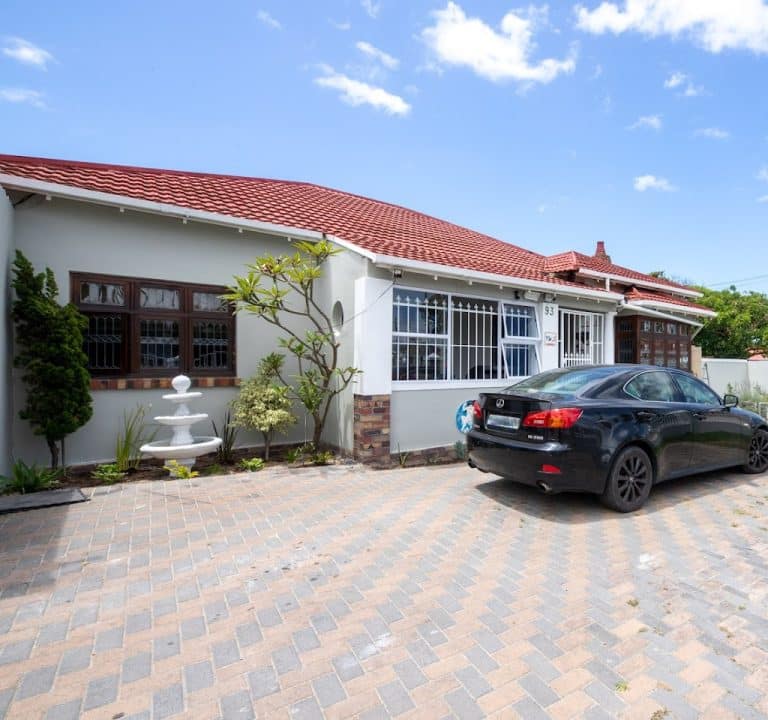
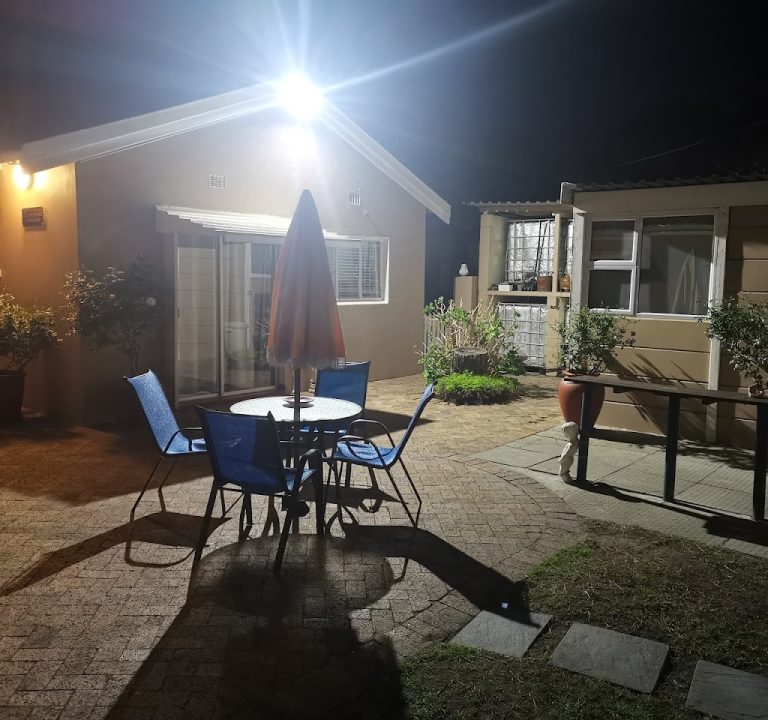
Beyond the room, Cape Town offers a tapestry of experiences. Early morning visits to lookout points for city and ocean panoramas, afternoons exploring markets and historic precincts, and evenings spent along the vibrant dining scenes can make for memorable trips. Whether you’re staying in a modern hotel or a cosy boutique lodge, planning a balanced itinerary with a mix of urban discoveries and natural beauty will help you extract the most from your visit to the Western Cape’s jewel at the tip of Africa. For specific properties such as Buiten Nur Selby Lodge, consider its style, location, and what it can offer in terms of convenience and atmosphere as part of your broader search for a memorable Cape Town stay.