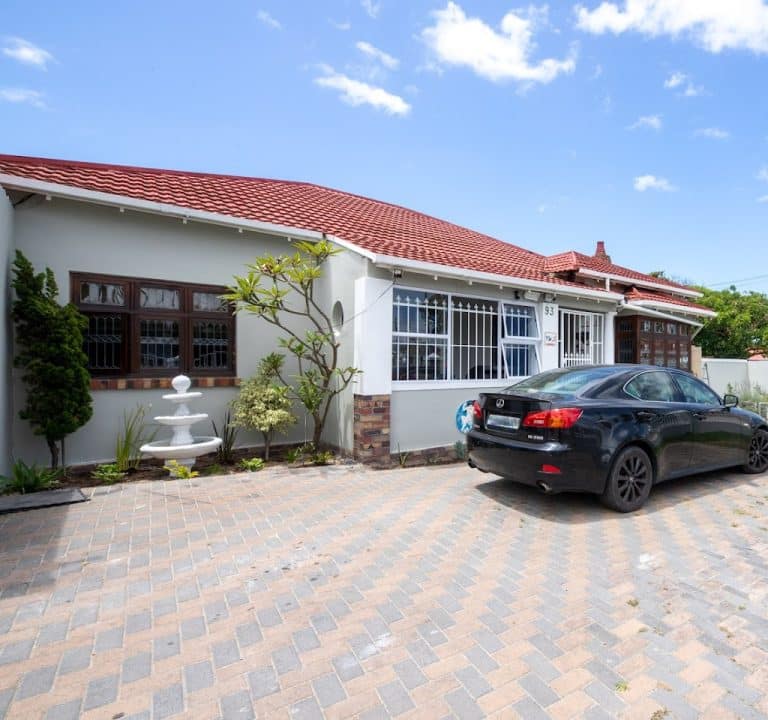
Discover Cape Town: where to stay, what to plan, and how to make the most of your visit
Cape Town is a city of striking contrasts, where dramatic mountains meet turquoise coastlines and vibrant neighbourhoods pulse with culture. When planning a stay, it helps to think in terms of area character, access to sights, and the kind of pace you want. From stylish boutique stays in historic districts to family-friendly guesthouses near the Atlantic shores, the city offers a range of options that suit different preferences and budgets.
To start, consider the areas you might base yourself in. The City Bowl and central parts of town are convenient for museums, markets, and many dining options, with easy access to hop-on hop-off routes and taxi or ride-share services. The Atlantic Seaboard is ideal for dramatic ocean views and sandy beaches, with a breezier, resort-like ambience and a cluster of stylish eateries. Southern Suburbs, including Constantia and Wynberg, offer a quieter, leafy backdrop and easy access to wine estates and mountain trails. If you’re seeking a waterfront vibe, the V&A Waterfront area combines accommodation with shopping and harbour attractions, while Green Point and De Waterkant provide a lively mix of wellness and nightlife within a short stroll of the sea.
When booking, look for a few practical features that can improve your stay. A comfortable bed with quality linens, reliable air conditioning or heating, and good natural light are worth prioritising in Cape Town’s varied seasons. En-suite bathrooms and soundproofing matter if you’re visiting during busy periods or peak tourist times. A well-equipped kitchenette or access to a shared kitchen can be convenient for longer stays or family travels. Free, location-accurate Wi‑Fi is valuable for planning day trips and keeping in touch with travel companions. If you’re on the road for a while, a flexible cancellation policy can save stress when weather or plans shift unexpectedly.
Transport in Cape Town is generally straightforward but varies by area. If you’re staying near the City Bowl or the V&A Waterfront, you’ll find walkable streets and short taxi rides take you to many attractions. The Atlantic Seaboard areas are well served by rideshare services, but some destinations such as hilltop viewpoints or wine routes are more comfortably explored with a car or organised tour. For eco-conscious travellers, a combination of walking, cycling, and ride-hailing is workable in central districts, while longer hauls between the city and winelands or coastal routes may benefit from a rental car. Check whether your accommodation offers parking, or whether convenient street parking is available if you plan to drive.
The best time to visit Cape Town depends on what you seek. Spring (September to November) and autumn (March to May) are popular for mild weather and manageable crowds. If your priority is beaches and outdoor activities, the summer months (December to February) bring longer days, but can also be busy. Winter (June to August) is cooler and wetter, yet some hotel deals may appear, and the city’s culinary scene can feel more intimate during quieter periods. Be mindful of wind patterns and seas if you plan coastal activities or hiking in open terrain, and always check local advisories when venturing to Table Mountain or coastal trails.
Food lovers will find Cape Town’s dining scene diverse and approachable. Expect a range of chic bistros, waterfront seafood choices, and neighbourhood cafés offering fresh, seasonal produce. In addition to tasting menus and fine dining, many areas boast casual eateries with a global flavour, farm-to-table influences, and views that rival the menus. If you’re visiting with family or a group, look for options with flexible seating, kid-friendly menus, and outdoor spaces that let you enjoy Cape Town’s climate.
Nearby attractions and experiences are the city’s true draw. Iconic landscapes, such as table-top viewpoints, coastal drives, and nature reserves, are complemented by cultural centres, markets, and craft hubs where you can learn about local heritage. Whether you’re interested in a day trip to Cape Point, a wine-tasting tour in neighbouring valleys, or exploring historic districts with guided walks, there are many ways to balance nature, culture, and cuisine. For planning, check with your accommodation about guided excursions, shuttle services, or partnerships with reputable tour operators. They can simplify logistics and help you make the most of your time.
- City Bowl: easy access to museums, markets, and theatre; compact, walkable streets
- Atlantic Seaboard: dramatic ocean views, beaches, and fashionable dining
- Constantia and Constantia Valley: green hills, wine estates, and hillside trails
- V&A Waterfront: harbourfront activities, shops, and family-friendly attractions
When it comes to practical tips, carry a light scarf or jacket for cooler evenings, even in summer, and stay hydrated during outdoor explorations. Pack chargers for devices and consider a small bag for day trips to markets and viewpoints. Finally, keep a flexible mindset; Cape Town’s weather can surprise you, and the best experiences often come from serendipitous discoveries in friendly neighbourhoods, local eateries, and scenic corners you stumble upon along the way. For further inspiration, official tourism sources and reputable travel guides offer up-to-date information on openings, routes, and seasonal recommendations to tailor your stay to your interests.