Planning a Stay in Cape Town: Where to stay, what to expect, and how to make the most of it
Cape Town, in the Western Cape of South Africa, offers a richly varied tourism experience that combines iconic scenery with cosmopolitan dining and a wide range of accommodation options. When planning a visit, consider both the landscape and the neighbourhoods that best suit your interests. From the dramatic coastline and mountain views of the Atlantic Seaboard to the leafy, vine-clad hills of Constantia and the historic charm of the City Bowl, there are opportunities for every type of traveller.
Accommodation in Cape Town ranges from boutique guesthouses and self-catering stays to stylish hotels and larger lodges. A number of guesthouses and B&Bs emphasise personalised service and a home-from-home atmosphere, often set in quiet residential streets with easy access to major sights. Self-catering stays, such as those offered by several guest houses, can be ideal for families or groups who want a kitchen, living space, and a bit more privacy while still enjoying the local hospitality. When choosing where to stay, think about how you plan to move around the city and which attractions you want to be near.
Areas to consider include the following. The City Bowl offers proximity to the historic centre, museums, markets, and the V&A Waterfront, with convenient access to MyCiTi bus routes. The Atlantic Seaboard, including Camps Bay and Clifton, delivers seaside views, trendy cafés, and world-class sunsets, though often at a higher price point. Green Point and the surrounding neighbourhoods provide a good mix of proximity to the Waterfront, parks, and lively dining scenes. Constantia is ideal for a quieter, leafy stay with easy access to wine estates and scenic drives up the Constantia Valley. For a more cultural and vibrant urban experience, Bo-Kaap and the nearby areas deliver a colourful, historic backdrop and easy access to the harbour and mountain trails.
What to look for when booking a stay in Cape Town:
- Safety and security features, such as well-lit entrances, secure parking, and staff presence.
- Access to public transport or reliable airport transfers, especially if you are not driving.
- Provision of essential amenities for your needs, including Wi-Fi, kitchen facilities, breakfast options, and daily housekeeping.
- Proximity to the sights you want to visit and to dining and retail areas.
- Parking availability if you plan to hire a car, as well as easy access to major routes.
- Flexibility with your dates and the ability to book in advance during peak travel times.
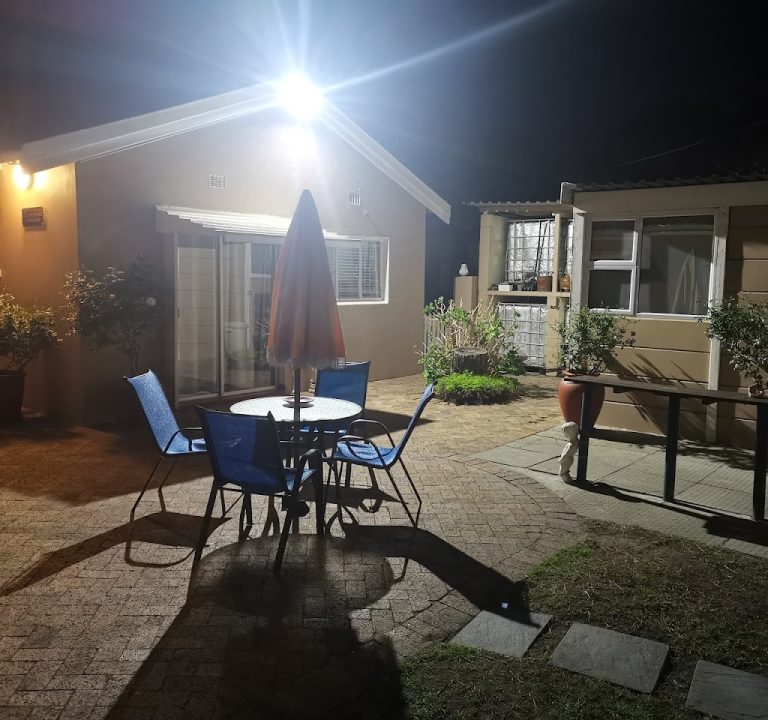
Typical amenities you might encounter include en-suite bathrooms, comfortable communal areas, outdoor spaces such as terraces or courtyards, free Wi‑Fi, and in some cases a pool, braai facilities, or a small kitchenette. Self-catering options often provide a fully equipped kitchen, laundry facilities, and private or shared living spaces. If you value breakfast, look for stays that offer continental or cooked options, or local produce baskets that reflect Cape Town’s neighbourhood markets.
Transport in Cape Town is well supported by the MyCiTi bus system, which can be a budget-friendly way to reach major sights from central areas. Uber and other ride-hailing services are widely used, and many accommodation providers can assist with transfers. If you plan several day trips, including coastal drives or trips to the Cape Peninsula, renting a car offers flexibility, though it is wise to plan for parking considerations in busy areas.
The best time to visit Cape Town typically falls in the late spring and early autumn months (September to November and February to April), when the weather is pleasant and cooler winds are less dominant. This can be a great balance between outdoor activities, such as hiking Table Mountain or visiting Cape Point, and enjoying urban experiences without peak-season crowds. Summer (December to February) is popular for beaches and outdoor events, while winter (June to August) brings mild, wetter weather and fewer crowds, which some visitors prefer for exploring museums and markets.
Practical tips to help you plan a smooth stay:
- Book well in advance for peak periods and popular areas, especially if you want sea views or close proximity to the V&A Waterfront.
- Pack layers to accommodate the famous Cape Town microclimates — a sunny day can become windy or cool in the evening.
- Consider the hiking and outdoor accessibility when choosing your base; staying closer to Table Mountain or the Atlantic Seaboard can minimise long drives.
- Respect local safety guidelines and be mindful of coastal conditions when venturing to beaches or cliffs.
- Plan a mix of experiences, from scenic drives and markets to museums and gardens, to capture the diverse appeal of the region.
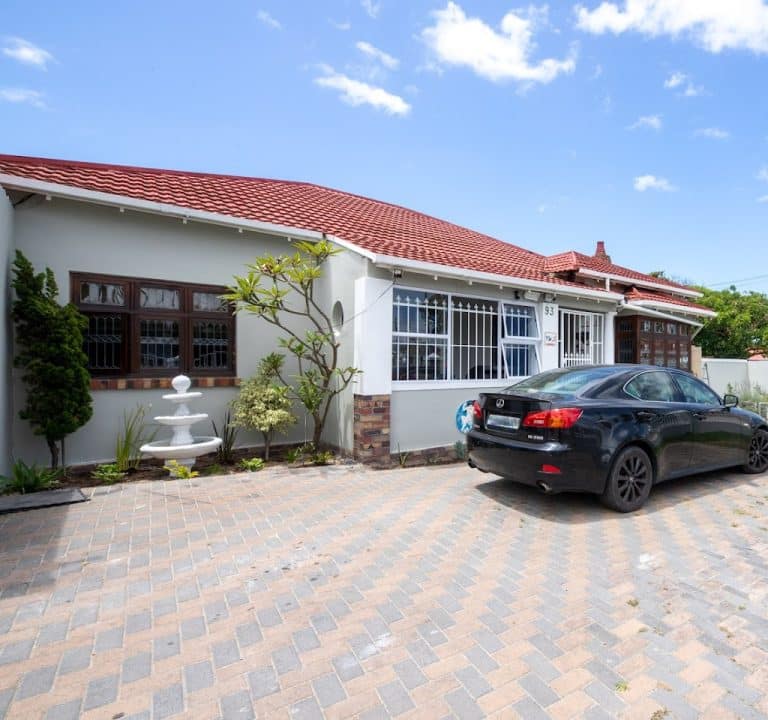
When it comes to attractions, Cape Town offers a balance of natural splendour and urban culture. Iconic landscapes such as Table Mountain and the surrounding biosphere reserve are complemented by scenic coastal routes and easy access to the Cape Peninsula. In addition, the city’s culinary scene ranges from seafood-forward eateries to coastal bistros and market stalls celebrating African and global flavours. For a balanced itinerary, you might pair a day of mountain and harbour views with time to explore historic neighbourhoods, markets, and contemporary galleries. If you are staying at a guesthouse or self-catering retreat such as Sharods Self-Catering Guesthouse, you can expect a home-based base from which to launch day trips or city adventures, with the added comfort of tailored local hospitality.
To plan a stay that suits you, start by outlining your priorities—be it beaches, mountain scenery, wine country access, or neighbourhood character—and then match those with the best-connected districts. Cape Town rewards thoughtful pacing, a flexible approach to sightseeing, and a willingness to explore beyond well-trodden paths. With well-appointed accommodation, excellent transport links, and a wealth of activities, a stay in Cape Town can be unforgettable for couples, families, and groups alike.