Stay, savour and explore: a guide to accommodation and experiences in Cape Town
Cape Town is a city of contrasts, from dramatic coastline to green, vine-clad hills. When planning a stay, consider a mix of neighbourhoods to balance easy access to sights with a relaxed, authentic experience. Whether you favour a boutique guesthouse with personalised service, a self-catering apartment for family stays, or a stylish hotel near the V&A Waterfront, the most important choices revolve around location, convenience, and the character of your base.
One of the first decisions is the area. The City Bowl and the surrounding central districts offer a compact, walkable feel with easy access to attractions, restaurants, and nightlife. If you want iconic views and a beachside vibe, areas along the Atlantic Seaboard—such as Sea Point, Camps Bay, and Bantry Bay—provide splendour on the doorstep of the ocean and a lively dining scene. For a leafy, wine-country ambience with a tranquil pace, Constantia or Stellenbosch’s quiet outskirts are ideal as day-trip bases. Bo‑Kaap and the historic neighbourhoods around Groote Schuur or the company’s doorsteps provide cultural immersion and scenic vantage points at modest travel times to the city’s major sights.
When you book, look for the practical comforts that make a stay easy. En-suite bathrooms and good ventilation are especially important in Cape Town’s warm seasons. A kitchen or kitchenette is a boon for families or longer visits, while reliable wifi and convenient parking options reduce the daily hassle. If you plan to use public transport, check proximity to MyCiTi stops or taxi services, and whether the property offers shuttle arrangements or easy access to major routes like the M6 and M5 that connect to beaches, markets, and viewpoints. For safety, seek properties with secure parking or well-lit access, especially in city-centre or coastal areas that stay lively after sunset.
Consider the typical amenities that match your itinerary. Self-catering stays can range from compact studios to spacious apartments with full kitchens, dishwashers, and laundry facilities. Boutique guesthouses often offer daily housekeeping, curated breakfast options, and a warmer, more personalised pace. If you’re travelling with kids or a group, family-friendly layouts, extra bedrooms, and flexible bedding configurations are worth confirming in advance. For the outdoorsy traveller, a property with convenient access to hiking trails, a garden or terrace for sun-downers, and secure gear storage can make a big difference.
Transport tips help you plan efficiently. The MyCiTi bus network is a convenient way to traverse the city centre to the Atlantic Seaboard and the Cape Town International Convention Centre area. Rideshare services are widely available, but a car can be advantageous if you want to explore Constantia’s wine farms, the Cape Peninsula coastline, or the scenic perimeters of nearby nature reserves. If you’re staying near the Waterfront or Green Point, you’ll find a concentration of eateries, markets, and harbour views within walkable reach, making evenings simple and relaxed.
The best time to visit Cape Town depends on the experiences you crave. Spring (September to November) and autumn (March to May) offer milder weather and fewer crowds, ideal for hiking up Table Mountain or visiting Kirstenbosch with fewer queues. Summer (December to February) brings long days, a festive beach atmosphere, and wildlife-spotting opportunities, but crowds and higher prices can be a factor. Winter (June to August) is cooler and wetter, yet the city’s restaurants, theatres, and wine routes continue to offer rich experiences indoors or along sheltered coastal tracks.
Beyond lodging, Cape Town’s attractions and dining scene are a major draw. Iconic viewpoints and natural landmarks—such as Table Mountain, the Cape Peninsula’s coastal drives, and Cape Point—offer dramatic photography opportunities and rewarding hikes. Cultural and historic sites around the city provide insight into Cape Town’s diverse narratives. For dining, expect seafood and contemporary African-influenced cuisine in many venues, with markets and eateries in various neighbourhoods offering local produce, coffee roasteries, and artisanal goods. While prices and menus vary, you’ll typically find flexible options from casual cafes to fine dining, with menus designed to showcase regional ingredients.
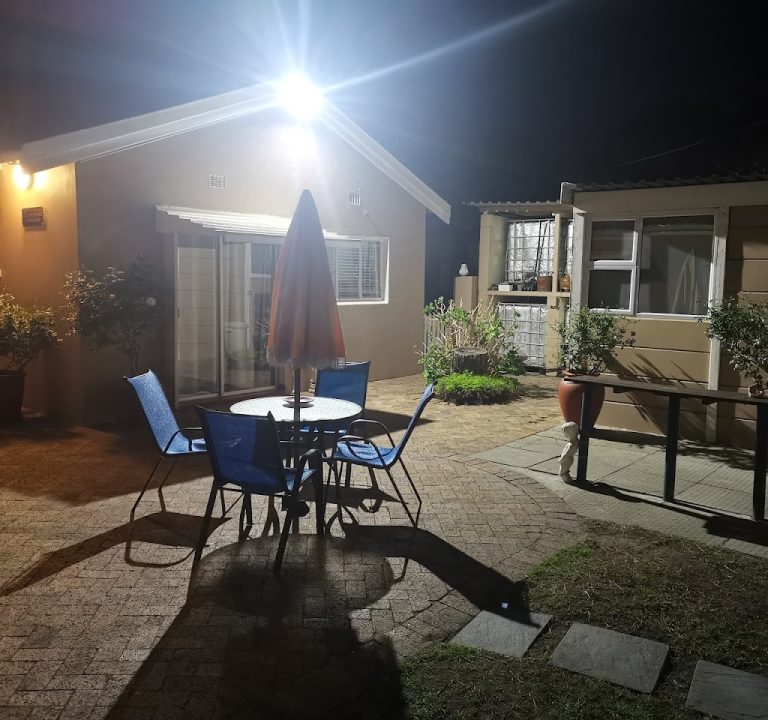
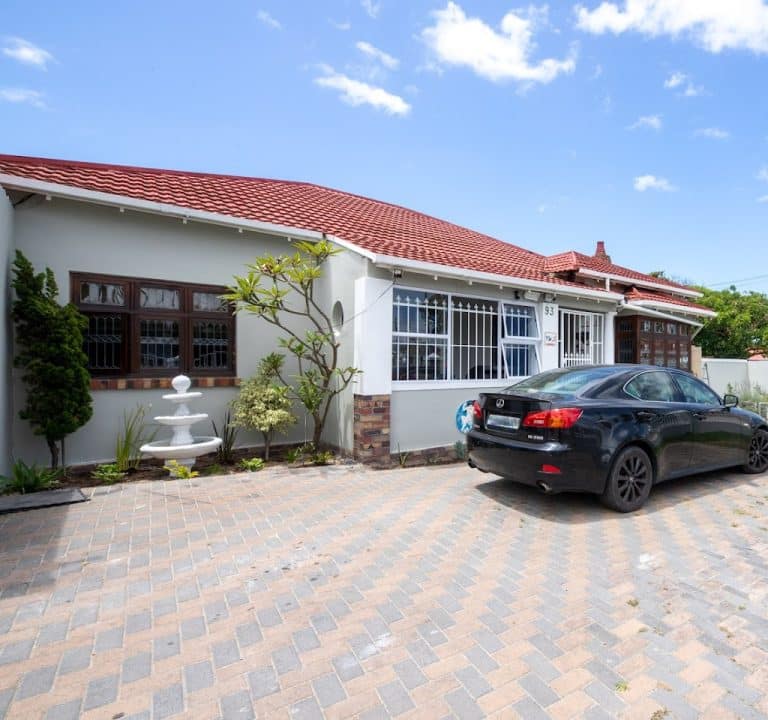
One example of accommodation that can illustrate the value of a well-placed stay is Joy’s Place Self-catering / BnB Guesthouse. It offers a self-catering option within a guesthouse concept, with practical kitchen facilities and comfortable living spaces. Its website provides further details on comfort features and accessibility. For guests planning a stay, such a property can provide the best of both worlds: the convenience of a self-contained unit with the warmth of a guesthouse environment, plus suggestions for nearby markets, eateries, and outdoor spaces.
Practical planning tips to maximise your visit:
- Book early for peak months, especially if you want sea views or a central location near the Waterfront or City Bowl.
- Confirm check-in times, parking arrangements, and access to communal areas if you’re travelling with luggage or late arrivals.
- Ask about laundry facilities, kitchen equipment, and any shared spaces to ensure they suit your group’s needs.
- Plan day trips and experiences in advance, but leave some flexibility for spontaneous markets, beaches, or sunset viewpoints.
- Check the property’s location relative to your must-see attractions and preferred transport modes.
Whether you choose a stylish boutique retreat, a family-friendly self-catering apartment, or a cosy guesthouse with warm hospitality, Cape Town rewards visitors who plan with both comfort and adventure in mind. By balancing area choice, essential amenities, transport options, and a flexible itinerary, you can craft a stay that makes the most of this remarkable city and its many attractions.