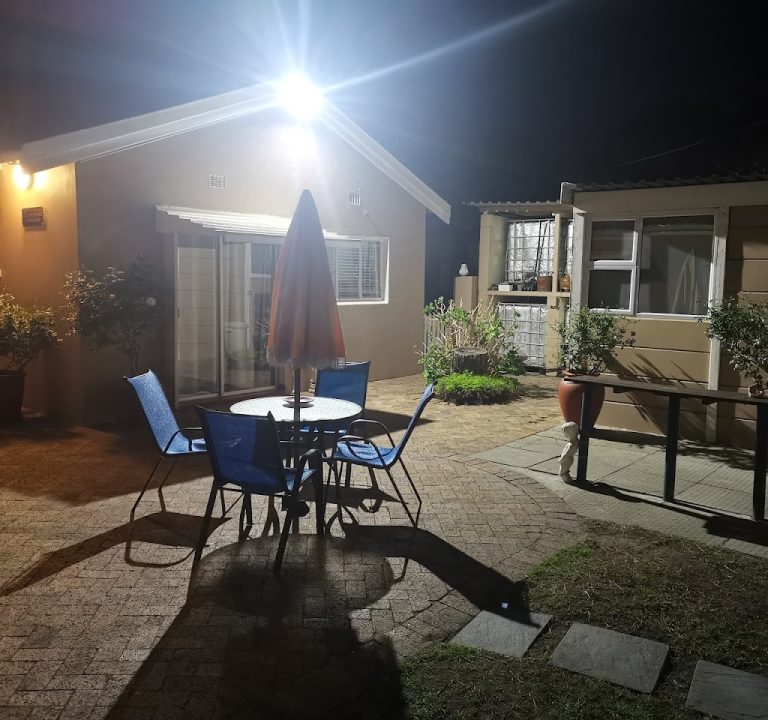
Accommodation and Attractions in Cape Town: A Traveller’s Guide to Planning Your Stay
Cape Town, set between dramatic mountain scenery and the Atlantic Ocean, offers a diverse mix of places to stay, from intimate B&Bs tucked into leafy neighbourhoods to contemporary hotels with ocean views. When planning your trip, consider choosing a base that aligns with the kind of experiences you want to enjoy, as this will influence how you spend your days and evenings. The city’s hospitality scene is well equipped to accommodate a range of budgets and preferences, with options that emphasise warm, personalised service alongside stylish, modern amenities.
To get the most out of your visit, think about the areas you’d like to explore. The City Bowl puts you in the heart of restaurants, cafes, markets, and cultural highlights, with easy access to Table Mountain and the historic Bo-Kaap neighbourhood. The Atlantic Seaboard—covering Green Point, Sea Point, and Bantry Bay—offers a coastal vibe, promenades, and sunset views, ideal for travellers who enjoy long walks and outdoor dining. Constantia and the Constantia Valley are renowned for leafy streets, wine routes, and family-friendly guesthouses set in peaceful surrounds. If you’re looking for a more rural contrast, the winelands towns just outside Cape Town provide a serene retreat within reach of the city’s attractions. When deciding where to stay, factor distance to the City Centre, ease of transport to attractions, and the daily rhythm you desire, whether that means early mountain hikes or late-night dining.
Typical accommodation in Cape Town ranges from boutique guesthouses and stylish B&Bs to full-service hotels and self-catering apartments. In general, you can expect rooms to be well furnished, with en-suite bathrooms, heating or air conditioning, and reliable Wi‑Fi. Some properties offer breakfast included or on-site dining rooms, while others provide self-catering kitchens or shared lounges. If you value a personal touch, look for smaller establishments with attentive hosts who can offer customised tips on local markets, routes up Table Mountain, or hidden beaches. For families or groups, consider apartments or suites with extra space and kitchen facilities, which can provide a practical and comfortable base for longer stays.
Booking considerations to keep in mind include check-in flexibility, parking availability, and access to public transport. Cape Town’s MyCiTi bus network and Uber provide convenient ways to move between neighbourhoods, but if you plan to venture to the winelands or coastal routes, a car or organised tour can be a time-saver. If you’re staying in a central area, you may enjoy a walkable itinerary with a mix of markets, galleries, and waterfront views. For more secluded retreats, a guesthouse tucked into a hillside or a garden setting in Constantia can offer tranquillity with easy access to nature trails.
Best time to visit Cape Town varies by preference. Spring (September to November) brings fresh blooms and pleasant weather, while autumn (March to May) offers cooler days, fewer crowds, and comfortable conditions for sightseeing. Summer (December to February) is lively and sunny, ideal for beach days and harbour excursions, but it can be busier and more expensive. Winter (June to August) brings cooler, wetter days, yet many attractions remain open and there are fewer crowds in popular areas. Pack smart layers to accommodate changing weather, particularly if you plan to ascend Table Mountain by cableway or hike along coastal trails.
Practical tips to help you plan your stay:
- Book in advance for peak seasons but remain flexible where possible to adjust for weather or new local recommendations.
- Check transport options at your chosen base—being close to a MyCiTi stop or a reliable Uber/hailing option can save time on busy days.
- Confirm breakfast or dining arrangements if you prefer to start the day with a substantial meal or want self-catering options.
- Ask about safety features and neighbourhood characteristics, especially if you are travelling with children or late-night plans involve walking at dusk.
- Look for properties that offer practical amenities such as coffee/tea facilities, secure parking, laundry facilities, and a helpful reception team who can arrange activities.
- Anticipate travel times to major attractions; Cape Town’s geography means some routes can take longer than expected, especially in peak traffic.
In terms of attractions and experiences, Cape Town offers a broad palette without needing to over-commit to one theme. Natural highlights include diamond-clear beaches, mountain views, and scenic viewpoints that are best enjoyed at sunrise or sunset. Cultural and historical discoveries can be found in neighbourhoods with vibrant markets, street art, and guided tours that share the city’s rich stories. Dining in Cape Town ranges from casual bistros by the harbour to more formal restaurants offering modern South African cuisine with seasonal ingredients. Even without naming specific establishments, you’ll find plenty of options that capture the city’s coastal, winelands, and urban flavours, often with terrace seating that makes the most of the views and weather.
As you map out your itinerary, consider additional experiences such as gentle coastal walks, a visit to a nearby vineyard for a tasting, or a day trip to a world-class winelands town. You can tailor your plan to fit a relaxed pace or a packed schedule, always allowing time to linger over coffee or a sunset drink as you absorb the city’s unique mood. With its diverse accommodation choices, excellent transport links, and a broad spectrum of attractions, Cape Town is well suited to a memorable stay that blends comfortable rest with memorable discovery.