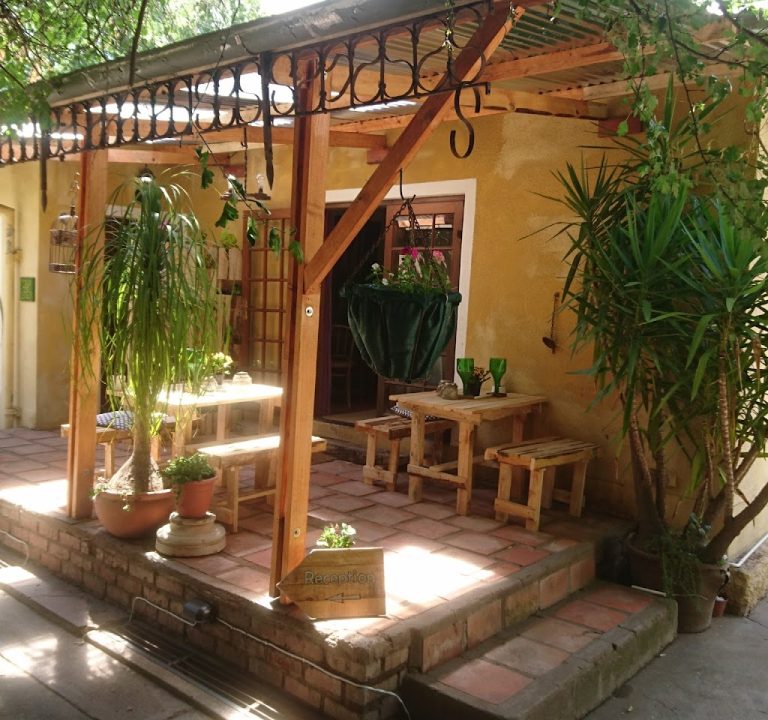
Accommodation and experiences in Queenstown, Eastern Cape
Queenstown in the Eastern Cape offers a welcoming base for visitors seeking a mix of rural charm, outdoor scenery and easy access to the surrounding farmland and reserves. Whether you are travelling on a tight budget, seeking a cosy B&B with warm South African hospitality, or favouring a small hotel with a central location, there are options that suit most plans. The town is compact enough to stroll between eateries, shops and historic sites, yet it also serves as a gateway to wider nature and cultural experiences in the region.
When planning a stay, think about the area that best fits your pace and interests. The central, historic part of Queenstown is convenient for exploring on foot, with proximity to markets, cafés and museums. For those who value views and quiet, hillside lodges or guesthouses on the outskirts may offer tranquil landscapes and easy access to hiking routes. If you’re visiting for wildlife or flagship day trips, consider staying closer to the route that heads towards nature reserves or river routes, where your mornings can begin with fresh air and distant birdsong.
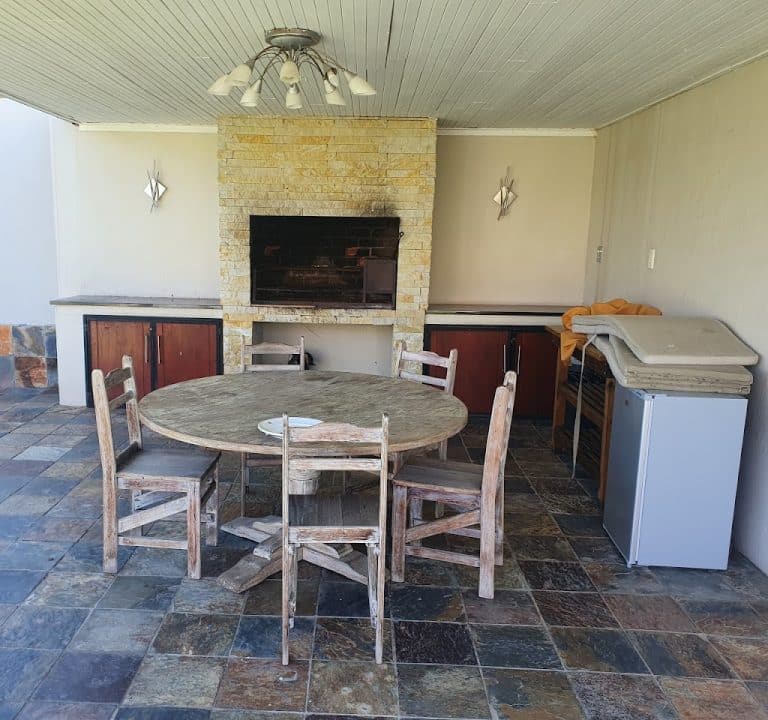
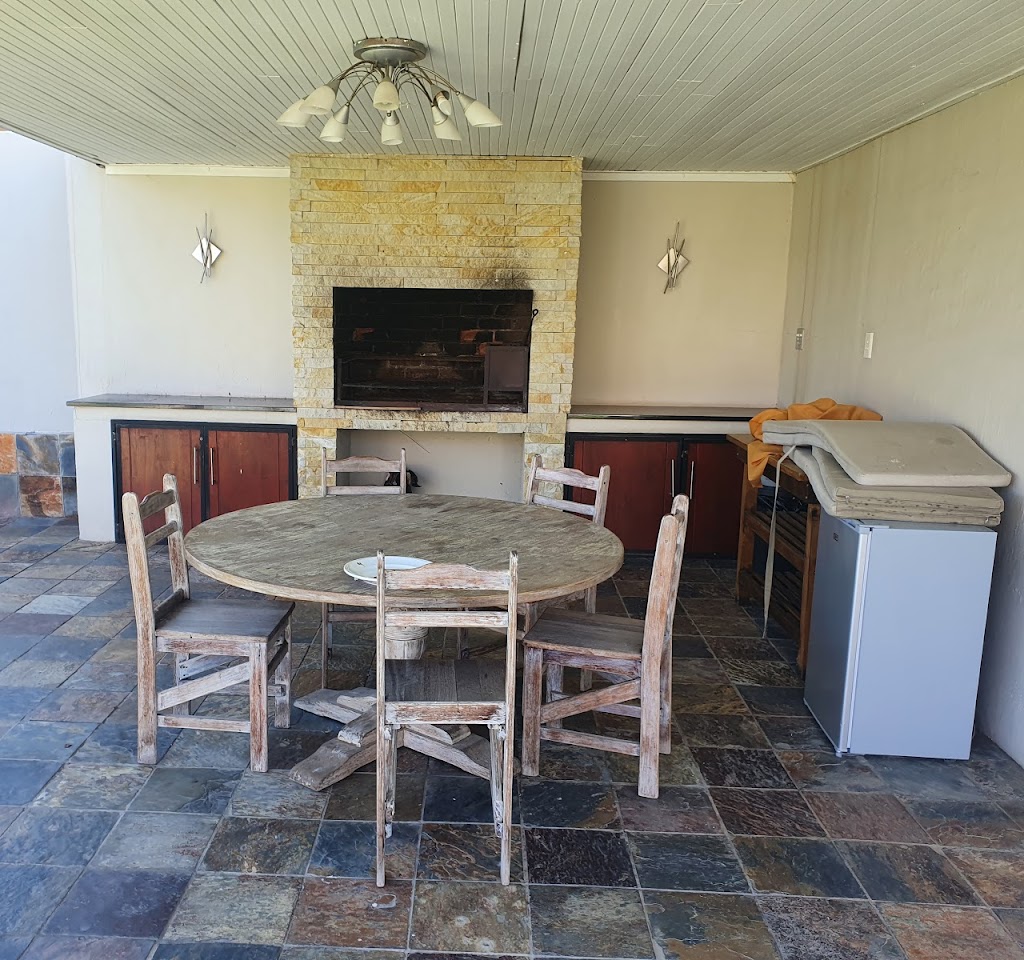
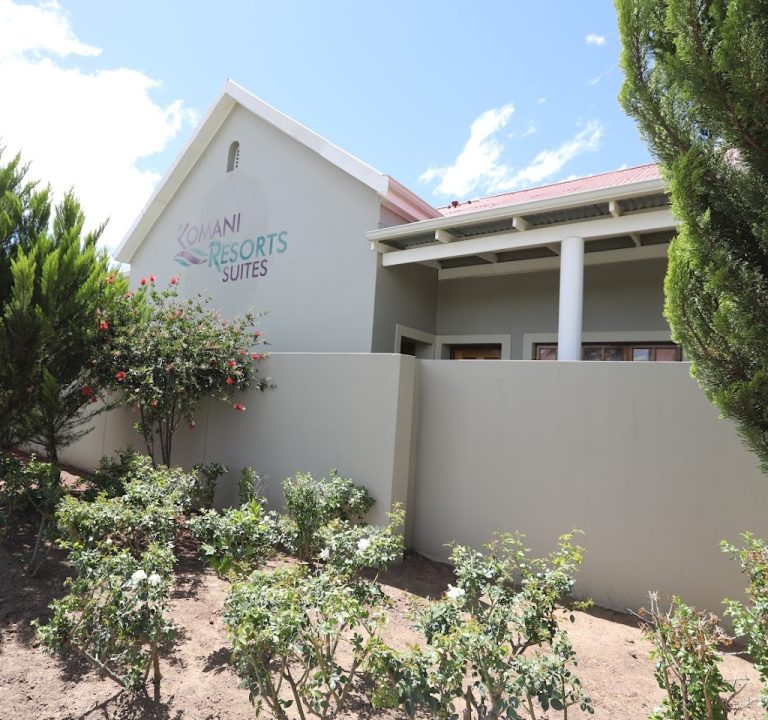
Typical accommodation in Queenstown ranges from charming B&Bs and guesthouses to small wellness retreats and modest hotels. Common features include en-suite or dedicated bathrooms, tea- and coffee-making facilities, and comfortable communal spaces. Many properties promote all or part of breakfast, while self-catering or kitchenette options appear at a number of guesthouses. Parking is usually straightforward, though in the busiest town centre areas it’s worth confirming parking arrangements in advance. Free wi‑fi is widely available, useful for mapping local attractions, arranging a day trip or streaming a relaxed evening after a day’s exploration.
Transport in and around Queenstown is straightforward with private cars or hire vehicles widely available. A car is often the simplest way to reach nature trails, viewpoints and day-trip destinations in the broader Eastern Cape. If you prefer not to drive, check whether your accommodation offers transfers to the airport, rail links or nearby towns. Some guesthouses can arrange guided tours or suggest trusted local operators for wildlife safaris, cultural walks and farm visits. For shorter trips or village hops, taxis or rideshare services can be handy, but plan a little extra time for peak travel periods and rural routes where delays are more common.
Best time to visit Queenstown depends on what you want from the stay. The summer months bring longer days, warmth, and the chance to enjoy outdoor markets and riverside walks. Spring and autumn are pleasant for those who favour cooler weather and fewer crowds, with clear skies and comfortable temperatures for day trips. Winter brings a quieter calm, with crisp mornings and the possibility of cosy evenings indoors at a welcoming guesthouse or restaurant. If your trip includes outdoor activities, always check local forecasts and plan for shade, sun protection and hydration during peak season.
When it comes to practical planning, a few considerations help ensure a smooth stay. First, confirm what is included in the rate—some places offer breakfast, while others may provide only a room. Second, assess the level of self-catering versus restaurant options you prefer. Third, look for accessible routes and entrances if mobility is a factor, and check whether there are stairs or uneven surfaces. Fourth, consider the dining and activity availability in the area on your travel dates, as some services run seasonally or on weekends. Finally, review cancellation policies and flexible booking terms in case plans shift, which is common in rural and seasonal destinations.
Queenstown and the surrounding region offer a variety of experiences that complement a comfortable stay. You can expect scenic landscapes with rolling hills and panoramic views, and easy access to outdoor activities such as relaxed strolls along rivers, bush walks, and countryside drives. Cultural experiences may include quiet museum spaces or galleries that reflect the region’s heritage, alongside local markets and seasonal fairs. Dining options range from casual cafés to more refined eateries that focus on home-style cooking and farm-to-table ingredients. In terms of day trips, consider exploring nearby farmsteads, nature reserves or small towns where you can observe traditional crafts and regional flavours. For those who enjoy a gentle pace with a touch of adventure, Queenstown provides a well-rounded base for a South African countryside break.
How to make the most of your stay? plan to arrive with a sense of anticipation but with flexibility for weather and local schedules. Research a couple of accommodation options that match your preferred style and budget, then read recent guest reviews to gauge consistency in service and cleanliness. If you’re chasing a particular experience, such as a guided walk, a farm visit or a dining outing, book in advance where possible, especially during peak seasons. And finally, allow some downtime to simply enjoy the ambience of the town itself—a good book, a riverside bench or a late-afternoon stroll can be the highlight of a memorable South African break.
- Pack layers for changeable conditions: cool mornings, warm afternoons, and potential evening chill.
- Bring a lightweight jacket or windbreaker for breezy viewpoints and river breezes.
- Have a flexible plan for day trips to nature reserves or scenic drives.
- Check whether your accommodation offers meals or kitchen facilities to tailor your dining choices.
- Keep a note of local timings for markets, galleries and seasonal events.
For more information on Queenstown and the broader region, you can explore local tourism resources and regional pages that offer practical travel tips, suggested routes and sample itineraries. A visit to Queenstown promises a down-to-earth stay with friendly hospitality, easy access to outdoor beauty, and a pace that invites you to savour the simple pleasures of life in the Eastern Cape. If you’re drawn to a particular restaurant scene, such as the Black Swan or similar eateries, you’ll often find current menus and opening hours hosted on the venue’s own website or through the town’s visitor information pages.