Rest on Grey: A guide to accommodation and experiences in Queenstown, Eastern Cape
Queenstown, in the Eastern Cape, combines a sense of frontier history with modern comforts, making it a useful base for travellers exploring the region. With a variety of guesthouses, small hotels and bed & breakfast establishments, visitors can find stays that suit different budgets and itineraries. The area around Queenstown features a mix of compact town centre pockets, residential neighbourhoods and open countryside, all within convenient reach of the surrounding attractions and day trips. A stay in a well‑chosen B&B can give you a genuine flavour of local life while offering reliable comfort and personalised service.
When planning a stay, consider the location in relation to your planned activities. Queenstown’s town centre puts you close to shops and dining, while the outskirts provide quicker access to rural scenery and quieter evenings. If you’re travelling by car, seek an accommodation with on‑site parking or a safe, well‑lit street near the property. For those relying on public transport, check proximity to taxi services or local bus routes, and confirm breakfast arrangements if you’re hoping to begin the day with a substantial meal before heading out for the day’s plans.
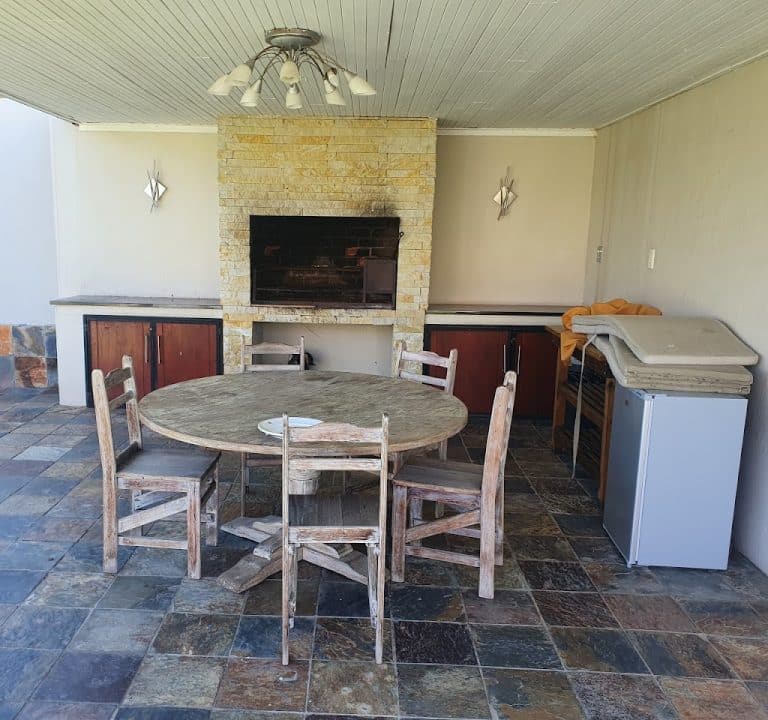
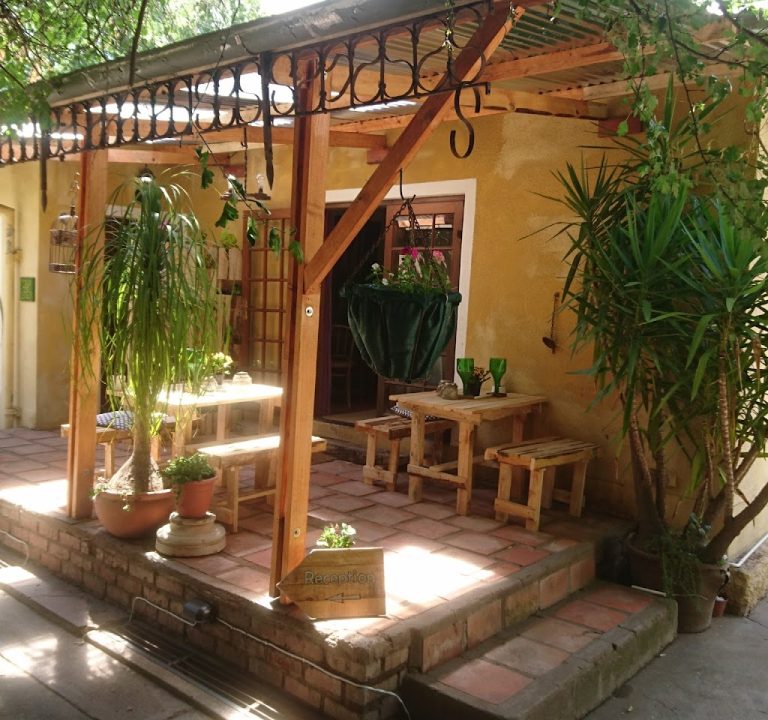
Typical amenities at B&Bs and guesthouses in Queenstown may include comfortable en‑suite or private bathrooms, a compact kitchen or breakfast service, and guest sitting rooms or verandas where you can unwind after a day of exploring. In many traditional B&Bs, hosts offer insights into local sights, walking routes, and practical tips for day trips. Consider whether you would benefit from features such as secure parking, free Wi‑Fi, laundry facilities, or a pool to cool off in warmer weather. If you plan to self‑cater some meals, check whether there is a shared kitchen or a continental breakfast supplied on site, and whether there are nearby grocery outlets within easy reach.
Queenstown is a gateway to the Karoo‑highlands and valley scenery that characterise the broader region. While you should not expect the same scale of appeal as coastal towns, the area rewards visitors who enjoy landscapes, small‑town character and cultural heritage. In planning your days, allow time to stroll the town to glimpse local architecture and the pace of life, and keep an eye on seasonal weather, which can influence road conditions and outdoor activities. Consider the cooler mornings and evenings, especially in autumn and winter, and pack layers that you can add or remove as needed.
Transport within and around Queenstown can be straightforward, but it’s worth planning ahead. If you are staying at a smaller guesthouse, ask hosts about the best ways to reach nearby attractions or to venture into surrounding towns. For longer excursions, a hire car often offers the most flexibility, but ensure you have adequate insurance and a reliable route plan. If you do not plan to drive, verify the availability of trusted local operators for day trips, and ask about pick‑ups from your lodging. Some properties can arrange guided tours or provide maps with suggested self‑drive routes that maximise your time at key sights.
Best time to visit Queenstown depends on what you seek. Warmer months in spring and summer bring longer days for outdoor walking and photography, with the potential for vibrant countryside colours after spring rains. Autumn can be a pleasant period with comfortable temperatures and quieter streets. Winter may be quieter still, with cooler evenings and opportunities to enjoy cosy guesthouse atmospheres and fireside conversations. If you are interested in cultural events or markets, check local calendars in advance, as many small venues and galleries feature seasonal programming that showcases local crafts and cuisine.
For food and drink, Queenstown and its immediate surroundings offer simple, friendly dining options that focus on wholesome, homely meals. Expect dishes that showcase regional produce and traditional South African flavours, with a mix of casual eateries, diners, and family‑run restaurants. When planning where to eat, you might opt for venues within walking distance of your accommodation for convenience, or plan a short drive to explore a few different neighbourhoods during the evening. Always check opening hours and whether reservations are recommended, especially on weekends or during busy periods.
Practical tips to make the most of your stay:
- Book early in peak seasons and consider cairn‑edge or hillside properties for better views and quieter nights.
- Communicate any special requests to your host in advance, such as dietary needs or mobility considerations.
- Pack suitable footwear for gentle countryside walks and a light rain jacket for changeable weather.
- Budget for occasional travel into the surrounding areas to explore rural farms, viewpoints, and local crafts.
- Check cancellation policies and payment terms ahead of time, especially if your plans might change.
As you plan your stay, a well‑chosen bed & breakfast such as Rest on Grey can offer a cosy, informal base with the comforts of a personal welcome and practical local knowledge. Look for properties that clearly describe their level of service, breakfast provisions, and any curfews or guest house rules. For more inspiration on where to stay and what to do in Queenstown, reputable regional tourism sites and local visitor pages can provide useful overviews and practical tips to help you tailor your itinerary to your interests.