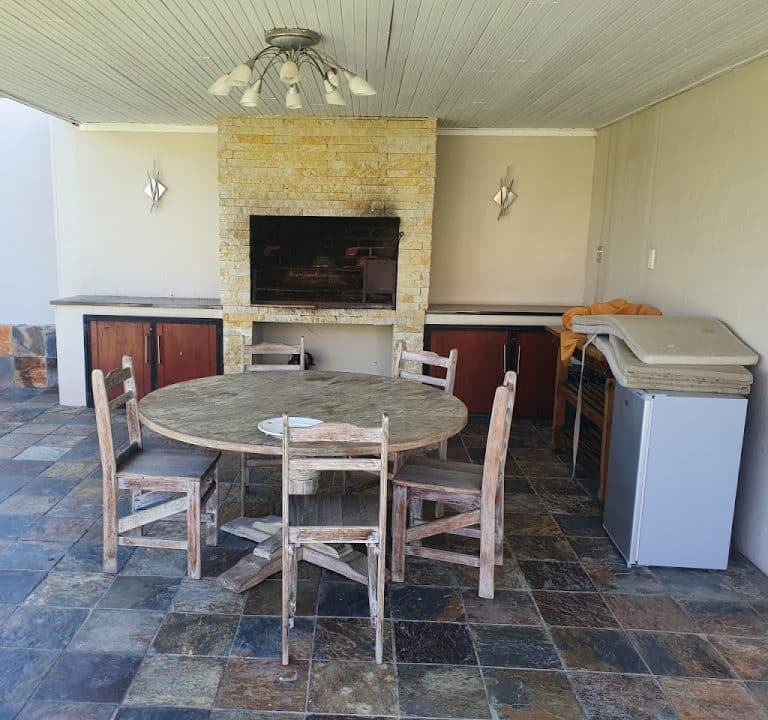
Staying and exploring in Queenstown, Eastern Cape
Nestled in the Eastern Cape highlands, Queenstown offers a warm, relaxed base for travellers who want to experience authentic rural South Africa alongside easy access to nature, culture and outdoor adventures. The town has a range of accommodation options, from guesthouses to small hotels and self‑catering units, all aimed at making a stay comfortable and convenient. Planning your visit with a sense of what you want to do each day will help you pick a neighbourhood that suits your pace and interests.
When choosing where to stay, consider the character and location of different areas. A central, conveniently located guesthouse may place you within easy reach of shopping, cafés and the main streets, while a rural‑style or hillside property can offer more expansive views and a quieter ambience. If you are visiting during peak holiday periods, booking ahead is wise, but Queenstown also benefits from a calm off‑season where hosts can offer personalised recommendations and home‑cooked touches.
Typical amenities to look for include free on‑site parking, reliable Wi‑Fi, breakfast inclusion, and a en‑suite bathroom or separate shower facilities. Many guesthouses in Queenstown pride themselves on a friendly, personalised service and can arrange guided outings or transfers to local attractions. If you enjoy a touch of local hospitality, a stay that offers evening meals or traditional South African refreshments can enhance your experience more than a generic hotel‑style function room can.
Transport in and around Queenstown is straightforward, though the town is best explored at a relaxed pace. A car offers the most independence for day trips into the surrounding countryside or to nearby nature reserves. Taxis and ride‑hailing services are available, and some guesthouses offer airport or town transfers by arrangement. If you plan to visit more distant attractions, check whether your accommodation can assist with guided tours or shuttle services. Queenstown’s streets are friendly to pedestrians, and many places of interest are within a short walk from the town centre, making a car optional for shorter visits.
Best time to visit Queenstown is tied to the region’s climate and events. Summers (November to March) are generally warm and pleasant, with occasional showers; this is a popular time for outdoor activities and local markets. Autumn (April to May) can be cool and crisp, often offering clear skies and comfortable walking weather. Winter (June to August) brings cooler temperatures and a chance of frost, but the surrounding landscapes can be striking in their quiet beauty. Spring (September to October) typically offers mild days and fresh vegetation. Regardless of season, early mornings and late afternoons usually provide the best light for photographs and peaceful moments in the countryside.
Accommodations in Queenstown range from heritage‑style guesthouses to modern lodges. When booking, consider the level of privacy you want, breakfast arrangements, and whether you prefer shared or private spaces. A guesthouse with a small lounge or sun terrace can be perfect for relaxing after a day outdoors, while a property with a garden or verandah can be a highlight for a leisurely morning or evening under the stars. If you are travelling with family or a group, some properties offer larger suites or self‑contained units, which can provide more flexibility and value for money.
Nearby attractions and experiences can diversify a stay without requiring long drives. The surrounding landscape invites scenic walks, gentle nature trails, and the chance to observe local wildlife in open spaces. Rural town life in the area often features craft shops, farmer’s markets, and small galleries where visitors can engage with the region’s cultural heartbeat. While specific attractions should be checked closer to your travel dates, a mix of nature, countryside views, and town‑centre amenities typically characterises a well‑paced itinerary in Queenstown.
Food and drink in Queenstown lean towards hearty, welcoming hospitality. Expect café breakfasts, light lunches, and home‑style dinners at guesthouses and local eateries, with an emphasis on fresh, seasonal ingredients. If you are exploring for the first time, a recommendation from your host about a local restaurant or a charming coffee shop can be a good way to discover hidden gems. In most cases, many places offer vegetarian or lighter options, and staff will often be happy to tailor dishes to dietary preferences.
One example of accommodation in the region is Antanda Guesthouse, a guesthouse option that aims to provide a comfortable base with a personal touch. If you are researching stays, look for guests’ reviews that mention the attentiveness of hosts, the cleanliness of rooms, and the convenience of the breakfast service. A well‑reviewed property will typically offer practical tips for the area, from the best routes to local markets to reliable transport options for day trips.
Practical tips for planning your visit:
- Book in advance for peak periods, but reach out to hosts with questions about lesser‑known times or special arrangements.
- Prepare for variable weather—pack a light waterproof layer and a warm layer for early mornings or evenings.
- Ask hosts for tailored itineraries or day‑trip ideas, including options for nature walks, viewpoints, and nearby towns to explore.
- Check what meals are included and what options are nearby for dietary requirements or spontaneous dining out.
- Confirm parking arrangements and any access notes if you are arriving by car late in the day.
Queenstown offers a gentle, authentic South African experience with approachable amenities and friendly hospitality. By selecting a well‑located guesthouse, planning around your preferred pace, and letting local hosts guide some of your days, you can enjoy a balanced stay that blends relaxation, nature and community in the Eastern Cape.