Queenstown, Eastern Cape: Accommodation, Attractions and Practical Tips for Travellers
Queenstown, known locally as Komani, sits in the Eastern Cape with a backdrop of rolling hills and open countryside. It’s a town that blends comfortable accommodation with easy access to nature, culture and everyday South African hospitality. When planning a stay, consider how you want to balance downtime in a cosy room with the chance to explore nearby landscapes, local eateries, and visitor-friendly experiences.
Accommodation options in and around Queenstown span hotels, guesthouses, B&Bs, and self-catering units. Many properties are set in quiet residential streets close to the town centre, offering convenient access to shops, markets and services, while others provide a more rural ambience on the town’s outskirts. A key planning tip is to choose a base that keeps you within a short drive of the activities you enjoy, whether that’s a morning stroll through a historic precinct, a hillside walk, or a day trip to nearby nature reserves.
When booking, look for a few fundamentals that consistently improve a stay. Good hosts or staff should offer a warm welcome, clear information about local transport and dining options, and responsive service if plans change. Reliable Wi‑Fi can be important for organising day trips or catching up on emails, while a comfortable bed, sufficient storage, and a well-equipped bathroom are essential for restful nights after day-long excursions. If you’re travelling with family, you may value family rooms or interconnecting spaces. For couples or groups seeking atmosphere, boutique‑style properties with character and well-kept gardens can add a memorable dimension to your trip.
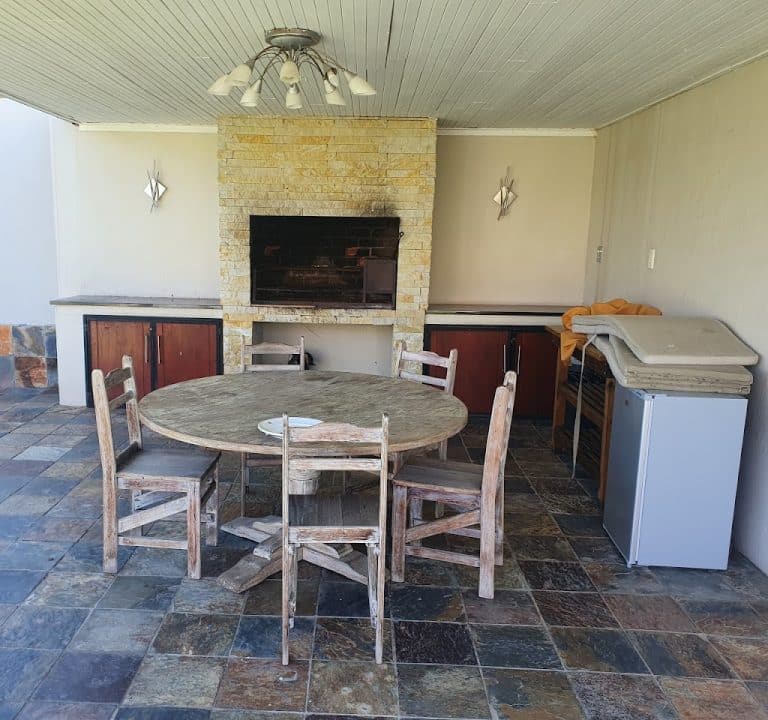
Typical amenities you may encounter include on-site parking, secure access, and breakfast options ranging from continental to full cooked starts. Some places offer self-catering facilities, spacious lounges, or outdoor areas such as verandas or gardens where you can unwind after a day of wandering. If a property has a swimming pool or a sun terrace, check whether these are shared or reserved for guests only, especially during peak travel periods. For guests with mobility considerations, confirm entrances, lifts, and bathroom layouts before booking. Always double-check cancellation policies and any seasonal rules that may apply, as these can help you adapt plans if weather or transport changes arise.
Queenstown’s setting makes it a sensible base for exploring the region. If you’re keen on outdoor experiences, you’ll find easy access to scenic viewpoints, gentle hikes, and drives through rural farmland. It’s worth planning at least one day for a countryside excursion to experience the tranquillity of the area and to sample the local atmosphere in markets and cafés. While you may want to keep a flexible schedule, having a rough plan helps you maximise your time, particularly if you’re visiting during peak seasons when roads, accommodation, and popular eateries can fill up quickly.
Transport around Queenstown and the wider region is typically straightforward. A car provides the most flexibility for day trips, especially if you want to reach outlying viewpoints, farms, or nature reserves. Taxis and rideshare services are usually available in town, though they may be less frequent outside the central areas. If you’re arriving by air, the nearest commercial airports are in East London and Port Elizabeth (Gqeberha). From there, you’ll typically drive or hire a vehicle for the onward journey to Queenstown. If you prefer not to drive, look for accommodations that can arrange transfers or provide guidance on reliable local transport options.
The best time to visit Queenstown varies with what you want from your trip. The Southern Hemisphere summer (roughly November to February) brings longer days and warm, often dry weather—great for outdoor activities and gentle sightseeing. Autumn (March to May) offers cooler temperatures and colourful landscapes, while winter (June to August) can be milder than other inland regions, with occasional chilly mornings and evenings. Consider the timing of local events or markets when you plan your stay, but also allow some breathing room in your itinerary for spontaneity and relaxation.
Dining options in Queenstown range from casual cafés and bakeries to more formal eateries. In planning meals, you’ll often find that guesthouses and hotels offer breakfast or light meals, while nearby centres host a range of South African and fusion cuisines. For evenings out, ask your host or reception for recommendations on places that fit your budget and vibe, whether you’re seeking a cosy spot for a quiet dinner or a lively venue with character. If you’re exploring beyond Queenstown, many towns in the Eastern Cape feature welcoming eateries that showcase regional produce and traditional cooking, which can be a memorable part of a longer stay.
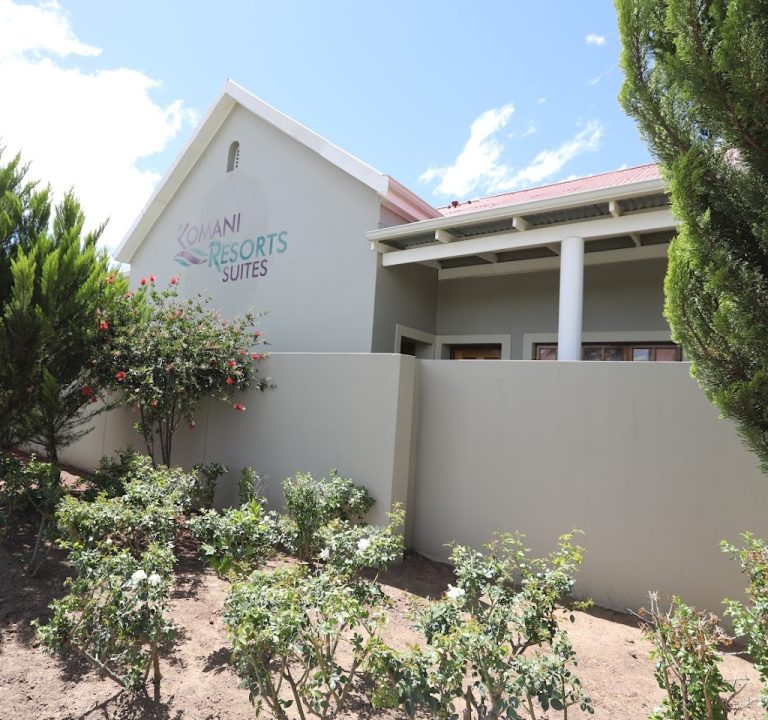
For a contemporary base in the region, consider staying at Komani Resorts, which offers an accessible entry point to Queenstown as you plan your stay. Their site provides details on facilities and services to help you tailor your visit: Komani Resorts.
To help you organise a balanced itinerary, here are a few planning pointers:
- Choose accommodation with clear access to a main road or taxi routes for easy day trips.
- Confirm the availability of on-site parking and late check-in options if you expect to arrive after sunset.
- Ask about breakfast offerings and any included meals to simplify daily planning.
- Balance time between rest and exploration, allowing for flexible days in case of unpredictable weather.
Queenstown offers a welcoming base for visitors exploring the Eastern Cape’s culture and countryside. With thoughtful selection of where to stay and how to structure your days, you can enjoy comfortable accommodation, easy mobility, and a sense of authentic travel pace that makes the region memorable.