Exploring Queenstown, Eastern Cape: where to stay, what to do, and practical planning tips
Queenstown in the Eastern Cape is a friendly gateway town known for its wide streets, historic character and access to striking South African landscapes. When planning a stay, travellers can choose from a range of accommodation styles, from boutique hotels to guest houses and mid-range lodges, each offering different vibes and conveniences. A stay centred in Queenstown gives you easy access to charming towns nearby, rural scenery, and outdoor activities suited to all abilities.
Booking and staying in Queenstown benefits from considering the area’s layout. The town centre often provides convenient access to shops, cafés and restaurants, while peaceful residential pockets offer a quieter base for a relaxing break. If you prefer to be close to higher ground and open views, look for hillside locations or lodges with a balcony or veranda. Those who want a more traditional town experience may opt for central boutique properties that retain period features and a warm, personal touch. A good example of contemporary hospitality in the region can be found at boutique hotels that combine comfortable rooms with thoughtful service, such as properties that maintain a distinctly local character and offer guest-focused amenities.
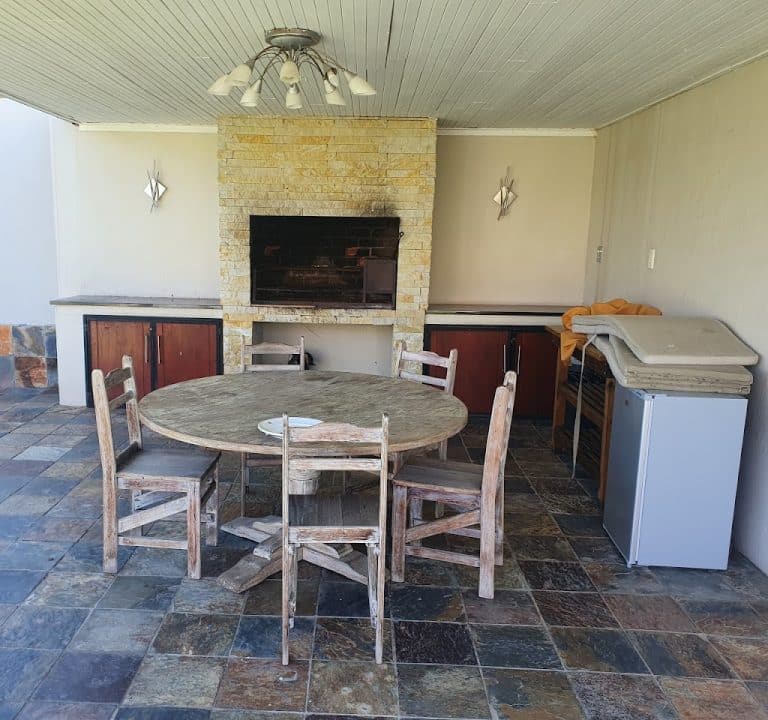
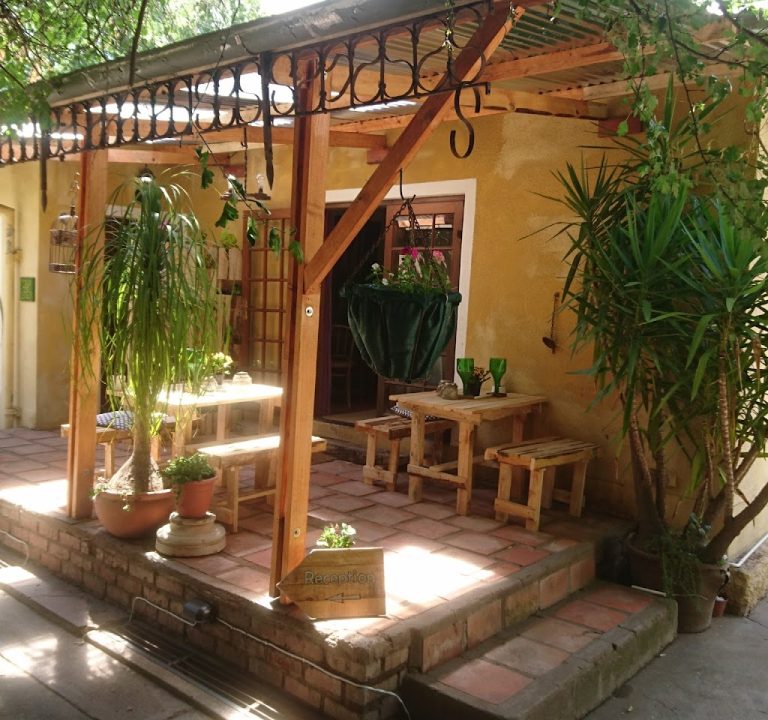
Typical accommodation features you can expect in Queenstown include comfortable en-suite rooms, hearty breakfasts, on-site parking, and reliable housekeeping. Many establishments offer free Wi‑Fi, tea and coffee facilities, and, increasingly, in-room workspaces for travellers who combine business with leisure. If you are travelling as a family or with a group, look for family rooms or suites, extra beds or interconnecting rooms, and child-friendly facilities. Some properties also provide spa services, indoor lounges or outdoor seating areas to enjoy the mountain air after a day exploring the region. For those seeking a touch of luxury, boutique hotels may offer personalised recommendations, curated local experiences, and stylish public spaces that reflect the area’s cultural heritage. You can connect with a property’s own website for details on what is included in a specific rate, as highlights and inclusions vary between properties.
When planning transport, consider how you will move around. Queenstown is well connected by road, with car rental offering the most flexibility for day trips to surrounding scenery and towns. If you prefer not to drive, check if your accommodation offers shuttle services to nearby attractions or convenient bus routes. The town is compact enough to explore on foot, particularly in the centre and near popular dining areas; however, a car will greatly enhance your ability to explore mountains, viewpoints and rural routes outside the town centre. For international travellers, you may fly into a larger regional city and then hire a car or take a transfer to Queenstown. Always check driving distances, fuel stations, and the condition of rural roads when planning rural day trips.
The best time to visit Queenstown depends on what you want from your trip. Spring and autumn offer milder temperatures, pleasant for outdoor walks and town exploration. Summer brings longer days and a lively atmosphere, while winter visits reveal cooler vibes and clearer skies for stargazing and scenic drives. If you plan to hike or take outdoor excursions, check local weather patterns and daylight hours to maximise your time and safety. The Eastern Cape can experience variable weather, so packing layers, a lightweight waterproof layer, and sun protection is wise for any season.
Practical planning tips to help you enjoy a smooth stay:
- Book directly with accommodation when possible to understand inclusions and cancellation terms, and to request extras such as late check‑in or specific room requests.
- Consider how much time you want for day trips to surrounding landscapes, nature reserves, and historic towns, and choose a base that minimizes long daily drives.
- Check parking availability if you are travelling by car, and confirm access to public transport or shuttle options if you prefer not to drive.
- Read recent guest reviews for insights into cleanliness, staff helpfulness and the reliability of Wi‑Fi, as these factors vary by property and season.
- Plan restaurant visits around peak times and consider making reservations in advance, especially during holidays or weekends.
Beyond a comfortable place to stay, Queenstown and the surrounding district offer a range of visitor experiences. Nature lovers can anticipate scenic drives, panoramic viewpoints and easy walks that reveal the region’s agricultural heart and rural charm. Cultural experiences may include visits to local heritage sites and community-led tours that highlight the area’s history and traditions. Dining options tend to emphasise hearty, home-style cooking with seasonal ingredients, offering spaces to unwind after a day of exploring.
For travellers seeking a curated stay, several accommodation providers offer direct information online about their offerings, policies and nearby experiences. A notable example of a distinctly local hospitality option is Luxe Molen Boutique Hotel, which presents itself as a refined base with a focus on personalised guest care. You can learn more about this property at their official website: Luxe Molen Boutique Hotel.
In summary, Queenstown is well suited to travellers who value a relaxed pace, friendly service and convenient access to both town amenities and rural landscapes. By choosing the right neighbourhood, confirming essential amenities, and planning around transport and seasonal considerations, you can craft a comfortable and enjoyable stay in this welcoming corner of the Eastern Cape.