Accommodation and Getting the Most from a Stay in Queenstown, Eastern Cape
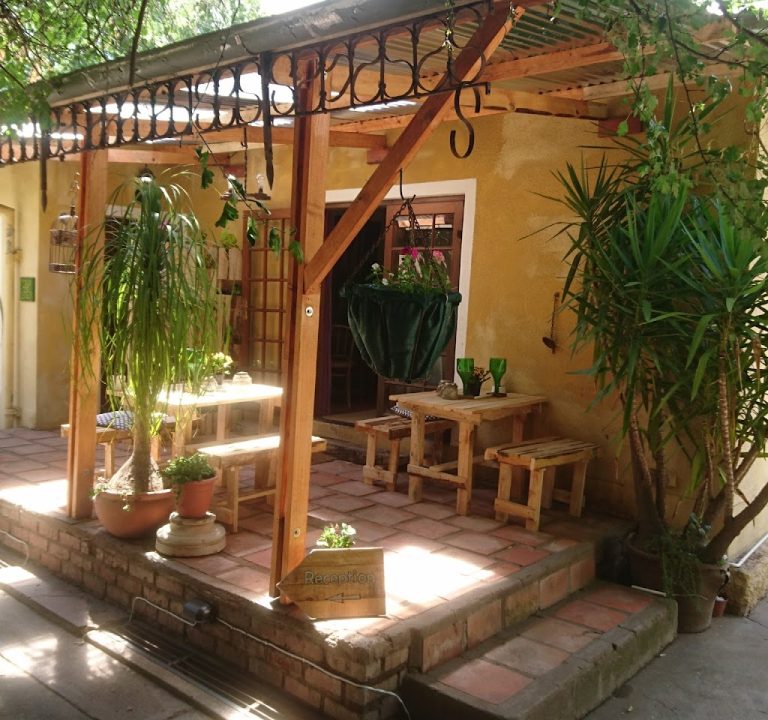
Queenstown, set in the Eastern Cape’s rolling countryside, offers a cosy mix of small-town charm and friendly hospitality. Whether you’re visiting for outdoor adventures, a slow-paced break, or a family visit, the town’s guest houses, B&Bs and boutique lodges provide welcoming bases from which to explore the surrounding farmland, river valleys and local culture. The area is well suited to guests who value personalised service, convenient arrangements, and a sense of place over volume and anonymous hotel experiences. For example, Cornerstone B&B, a guest house in Queenstown, represents the kind of intimate, home-from-home stay that many travellers appreciate when exploring the region.
Where you stay can shape your whole trip, so it’s worth thinking about which neighbourhood or setting best fits your plans. The town centre puts you in easy reach of shops, cafes and the main road out to day trips, while quieter suburbs or rural lodges offer a relaxed atmosphere and more countryside views. If you’re visiting in peak season, look for properties with flexible breakfast options and an indoor communal space, which can be a real boon if the weather shifts or you’re returning late from a day’s excursion. For families or groups, consider a spacious guest house with separate bedrooms, private seating areas and a kitchenette or shared kitchen to simplify meals between adventures.
What to look for when booking a place in Queenstown breaks down into a few practical categories. First, accessibility and transport: check whether the property offers easy parking, and whether it’s easy to access by road if you plan to hire a car. A short taxi ride to a nearby restaurant or the town’s attractions can be quicker and more convenient than arranging frequent rides. Second, space and amenities: a comfortable bed, clean bathrooms, reliable Wi‑Fi, and a well‑equipped self-catering option can make a stay much smoother, especially if you’re on a longer trip. Third, security and reception: a friendly, responsive host or manager who can share local tips about routes, scenic stops and safe evenings out is a real asset. Fourth, dining arrangements: some guest houses offer a continental or cooked breakfast, while others might provide access to family-style meals or kitchen facilities. If you’re staying for a while or travelling with children, you may prefer a place that offers flexibility around mealtimes and preparation options.
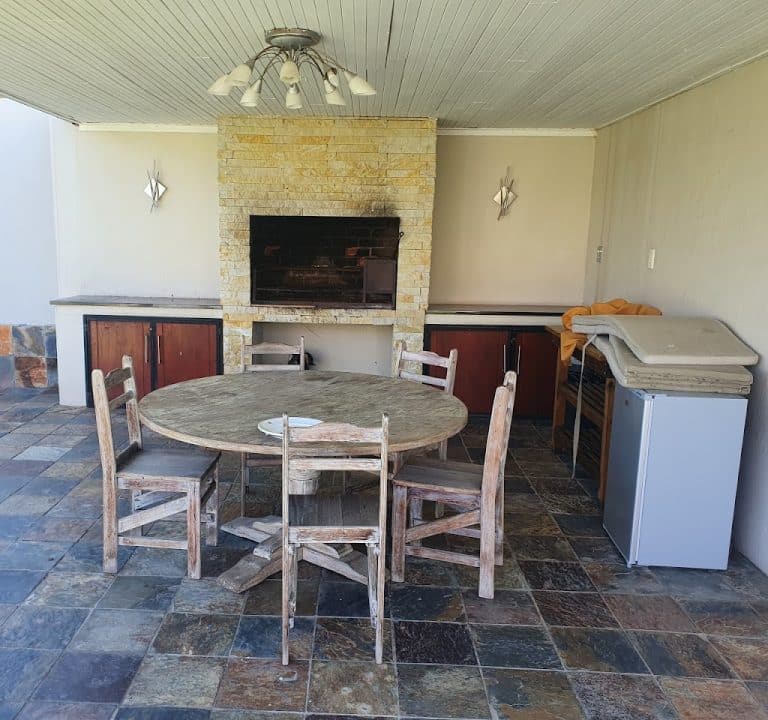
Typical amenities you’ll encounter in Queenstown’s guest houses and B&Bs include: comfortable en-suite or dedicated bathrooms, daily housekeeping, tea and coffee facilities, and in many cases a private or shared lounge. Some properties also include outdoor seating areas, garden spaces, or barbecue facilities—a nice touch for travellers who want to dine al fresco after a day of exploration. If you’re visiting in winter, a property with heating or a fireplace can make evenings especially cosy. In summer, look for shade, fans or air conditioning, and secure outdoor spaces for families with children or pets. If you’re travelling with equipment for outdoor activities—hiking, cycling or fishing—check whether the accommodation can provide storage or drying space for gear.
Seasonality shapes the Queenstown experience. The climate tends to be mild in spring and autumn, with brisk mornings and cool evenings. Summer brings longer days and generally pleasant weather, ideal for countryside walks and river-side trips. Winter can be cooler, with possible rain, so pack layers and be prepared for changing conditions. The best time to visit for outdoor activities largely depends on the specific itineraries you have in mind; a well-planned stay will balance scenic drives, local markets and cultural experiences with downtime at your guest house. It’s wise to book ahead for accommodation during school holidays and public holidays, when demand rises and options can become limited.
Getting around Queenstown and the surrounding districts is straightforward with a car, but there are also public transport options and local taxi services that can help you reach attractions beyond the town centre. If you plan day trips further afield, check the distances and travel times so you’re not rushed—a relaxed schedule makes it easier to enjoy the countryside views and small towns along the way. When arranging activities, look for guided walks, farm visits, or cultural experiences that connect you with local communities and landscapes. Many travellers find that making a plan to include both a gentle morning in town and an afternoon outdoors yields the best balance of rest and discovery.
Attractions in and around Queenstown tend to focus on nature, local history and the rural ambience of the Eastern Cape. Visitors often choose to explore scenic waterways, rolling farmland, and protected landscapes that illustrate the region’s farming heritage. Restaurants in the area tend to be informal and welcoming, ranging from cosy eateries serving hearty meals to family-run cafés with light bites and traditional dishes. When planning where to eat, consider trying a few casual stops for coffee and pastry in the morning, a substantial lunch to refuel after outdoor activities, and a relaxed dinner to end the day. Local advice on weather conditions, road safety and seasonal openings can be invaluable, so don’t hesitate to ask your host for recommendations on reliable places to dine and for possibly quieter off-peak alternatives to the more popular spots.
- Book in advance during peak seasons and school holidays to secure preferred rooms and rates.
- Compare room types, breakfast options and whether self-catering facilities suit your schedule.
- Consider your mobility and parking needs if you plan day trips or hill climbs.
- Ask hosts about local tips, safe travel routes and suggestions for countryside drives.
- Plan a mix of town-based downtime and countryside exploring for a balanced itinerary.
For further inspiration on the Eastern Cape’s attractions and practical travel information, you can explore regional tourism resources online. A good starting point is the official tourism portal for the region, which offers ideas for routes, typical experiences and practical visitor guidance. With thoughtful planning and a comfortable base—whether you choose a cosy guest house like Cornerstone B&B or another welcoming option—Queenstown can provide a memorable, relaxed South African stay.