Cape Town: Accommodation, attractions and planning your stay
Cape Town sits beside the Atlantic Ocean with a dramatic backdrop of mountains, making it a natural draw for travellers seeking a mix of city life, outdoor adventure and coastal flavour. When planning a stay, consider how you wish to spend your days: whether you want a bright, buzzy base near shops and restaurants, or a quieter neighbourhood with easy access to nature and quieter beaches. Self‑catering options, guesthouses and boutique hotels abound, offering everything from compact studios to spacious family flats, with amenities tailored to independent travel and longer stays.
Areas to consider
- City Centre and De Waterkant: convenient for urban explorers, close to museums, markets and a vibrant dining scene. Good for short hops to major attractions and reliable public transport, but some streets can be busy at night.
- V&A Waterfront and the Atlantic Seaboard: a coastal feel with sea views, walks along the promenade, and proximity to ferries or hop‑on tours. Perfect for travellers who want a scenic base with easy access to day trips.
- Green Point and Blouberg: popular for beach days, outdoor spaces, and a relaxed atmosphere. A good compromise between city access and outdoor activity.
- Constantia Valley and the Southern Suburbs: ideal for wine lovers and quieter stays, with leafy streets, green hills and easy access to Constantia’s scenic drives.
- Observatory and the Cape Flats fringe: offer a different flavour of the city, with affordable stays, eclectic dining and a later‑night tempo. Each neighbourhood has its own character, so balance scenery, safety, and transport when choosing a base.
What to look for when booking
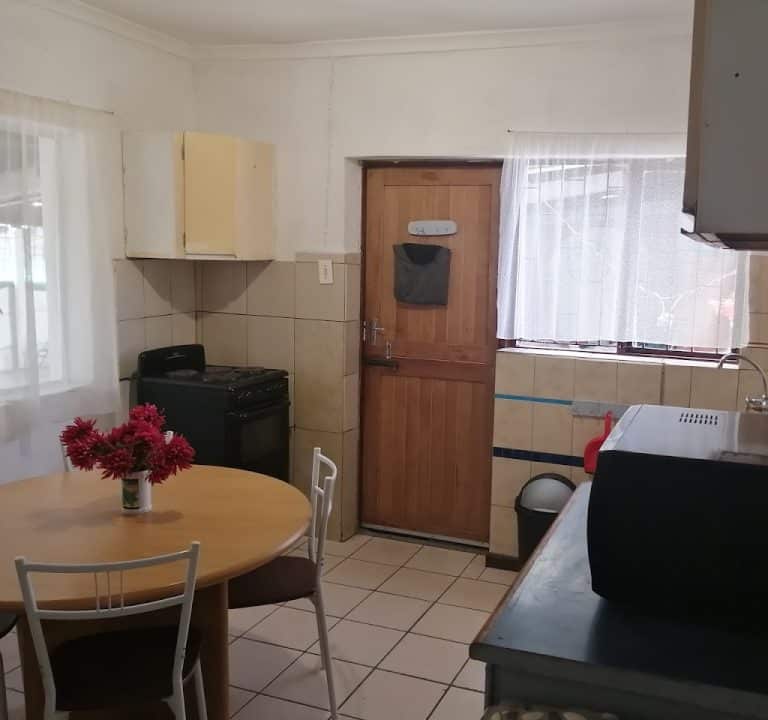
- Self‑catering facilities: a well‑equipped kitchen or kitchenette, a reliable wifi connection and laundry options can save time and money on longer visits.
- Security and parking: consider whether on‑site parking is available or whether the building has secure access. This is especially important if you plan to hire a car or travel with bikes.
- Size and layout: studios and one‑bedroom apartments suit couples or solo travellers; larger flats are useful for families or groups. A separate living area and outdoor space can enhance comfort during longer stays.
- Cleaning and maintenance: inquire about cleaning schedules, trash collection and linen changes for your intended stay length.
- Local transport access: proximity to tram routes, bus services, taxi apps, or train stations helps you explore further afield without relying on a car.
- Reviews and host communication: recent guest feedback can reveal consistency in upkeep, responsiveness and accuracy of listing details.
- Accessibility: if mobility is a consideration, check stairs, lifts, and entry layouts to avoid friction during check‑in or daily routines.
Typical amenities you may encounter
- Fully equipped kitchens or kitchenette facilities
- Free wifi and entertainment options
- Bedroom configurations for couples, families or groups
- Laundry facilities or access to a laundry room
- Secure entry, alarms or on‑site security
- Parking options, from street parking permits to private bays
- Balcony, terrace or garden access for outdoor living
- House rules and check‑in/check‑out procedures clearly stated
Transport and getting around
Cape Town is best explored with a flexible approach. In the city core, you can rely on walkability, local taxis, ride‑hailing services and occasional public transit routes. For day trips to the Cape Peninsula, wine regions or coastal towns, a rental car offers the most convenience, though organised tours and shuttles are widely available. If you plan to visit popular natural attractions, consider starting early to avoid crowds and to enjoy softer light for photography. For residents and travellers alike, car free days or near‑city walks around the harbour and mountain foothills can be a refreshing change of pace.
Best time to visit and practical tips
- Peak season in Cape Town runs from late spring to early autumn (roughly September to April), when daylight hours are long and conditions are favourable for outdoor activities. Winter (May to August) brings cooler, wetter weather but offers lower accommodation rates and fewer crowds.
- If you’re seeking shoulder season quiet, aim for late spring or autumn when the city is lively but not at its busiest.
- Pack layers: mornings and evenings can be brisk, even in warmer months, and sun exposure is strong most of the year.
- Be mindful of safety recommendations in busy areas—stick to well‑lit streets at night and use reputable transport options.
- Consider staying in a self‑catering property to balance convenience with flexibility; some options may also offer a communal kitchen or shared living spaces for socialising with other guests.
Food and experiences to enjoy
Cape Town’s dining scene ranges from casual eateries serving local fare to refined restaurants celebrating seasonal produce. In general terms, you’ll find a mix of seafood shacks, markets with fresh produce, and contemporary bistros that showcase regional flavours. For experiences, consider markets, scenic walks along the coastline, short hikes near the city, and day trips to nearby wine regions, nature reserves and historic sites. Museums and galleries provide cultural context, while tours and boat trips offer different perspectives on the city’s maritime setting.
Smaller‑scale options and examples
Among the diverse accommodation types, self‑catering and smaller guesthouses often provide a home‑from‑home feel, with the benefit of kitchen facilities and more relaxed schedules. For travellers seeking a student‑friendly base within a central location, properties such as SMALL’S STUDENT ACCOMODATION illustrate how a compact, self‑catering setup can work well for flexible, budget‑conscious stays. When selecting a property, review listing details carefully and choose a base that aligns with your transport preferences, desired level of independence and proximity to the experiences you plan to pursue. For more inspiration and practical planning, you can explore listings and travel guides that highlight a range of neighbourhoods, ensuring your Cape Town visit is comfortable, well‑located and memorable.