Discover Cape Town: where to stay, what to do, and how to plan your visit
Cape Town offers a rich mix of serviced accommodation, guesthouses and hotels, ranging from stylish apartments to family-friendly retreats. When planning a stay, it helps to think about what you want to get from your visit: dramatic scenery, easy access to beaches, vibrant city life, wine country on your doorstep, or quiet neighbourhoods with a local flavour. Cape Town’s appeal lies in its diversity, where a single trip can combine mountain views, world-class dining and memorable coastal walks.
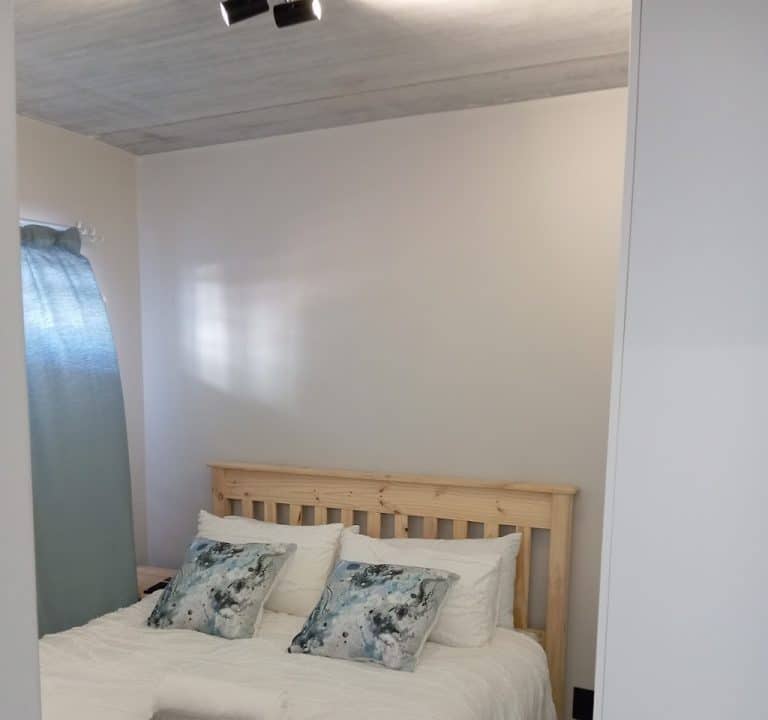
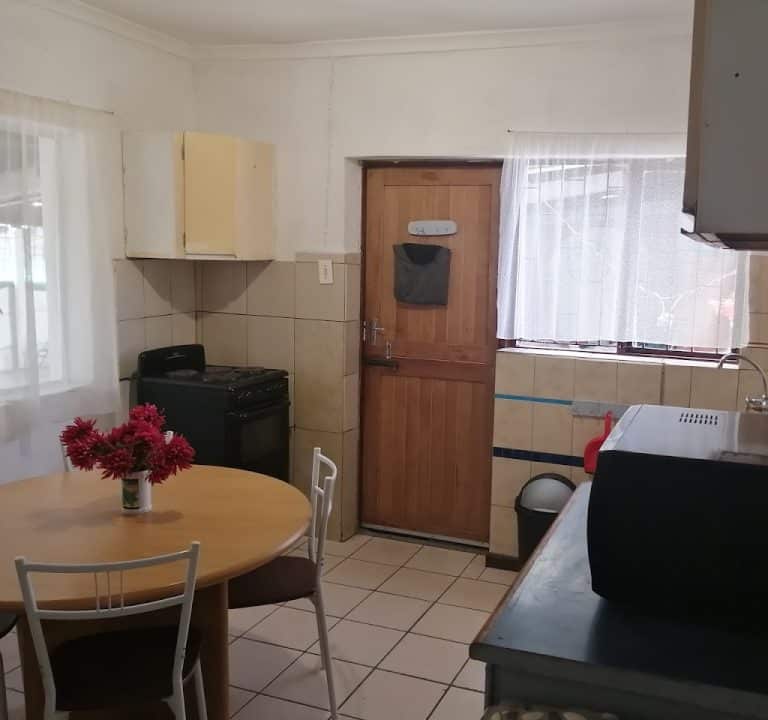
For those considering a stay in serviced accommodation, MorningStar Accommodation (as an example of flexible, well-equipped units) can provide a home-from-home option with hotel-style convenience. Such properties typically offer cleanly designed spaces, access to kitchen facilities, reception teams or a dedicated on-site manager, and often included housekeeping or add-on services. When choosing, look for a strong central or convenient satellite location, clear housekeeping schedules, and options to tailor stays for longer visits or short city breaks. Websites and guest reviews can help you gauge the level of service and the real-world setup of each property.
Areas to consider include:
- City Bowl and the inner suburbs: close to museums, markets and the harbour, with a mix of boutique hotels and modern apartments.
- Atlantic Seaboard: cosmopolitan neighbourhoods near the coastline, popular for luxury and sea views.
- Camps Bay and Clifton: sunlit beaches, upscale guesthouses and chic eateries, ideal for a stylish break.
- Lodges and Constantia Valley: proximity to wine fields, green hills and easy access to Constantia’s scenic drives.
- Southern Suburbs and Observatory: a bit more relaxed, with eateries, markets and good transport links to the city centre.
What to look for when booking? Confirm the distance to your planned activities and consider transport access both day and night. Check if the property offers secure parking or reliable shuttle options, especially if you’ll be exploring late in the evening. Read about the building’s layout—many serviced apartments are designed for comfort and practicality, with living spaces that can double as work areas for longer stays. For families, verify child-friendly facilities and the availability of a kitchenette or laundry services. If you value eco-friendly options, ask about energy use, water-saving features and recycling practices, which are increasingly common in modern Cape Town properties.
Typical amenities you may encounter include free Wi-Fi, daily or weekly housekeeping, on-site reception, secure parking, in-room kitchen facilities, air conditioning, and dedicated workspace. Some properties offer gym access, swimming pools, and outdoor terraces with city or sea views. Access to breakfast, if offered, can range from continental self-serve to a full-service option, sometimes with a surcharge. Always check what is included in the rate and whether additional charges apply for housekeeping or amenities.
Transport to and around Cape Town is straightforward but varies by area. The MyCiTi bus network covers many tourist-friendly routes, though peak times can be busy. Taxis and rideshare apps are convenient for trips to the waterfront, the Constantia wine routes, or to the Cape Peninsula. If your stay includes exploring at leisure, a car can be useful, especially for day trips to Cape Point, the Cape Winelands or the Cape Flats’ viewpoints. Many properties offer parking or parking arrangements; if you plan to park a rental car, confirm the level of security and any access restrictions in the building or complex.
The best time to visit Cape Town hinges on what you want to do. Spring (September to November) brings wildflowers, pleasant temperatures, and fewer crowds. Summer (December to February) is peak season for beaches and outdoor activities, with longer days and lively harbour life. Autumn (March to May) offers mild weather and quieter streets, while winter (June to August) can be cooler and windier, with occasional rain but still opportunities for city sightseeing, museums and restaurant experiences. If you’re visiting for wine country, plan a few days in the Constantia or Stellenbosch regions and consider booking winery tastings or a guided tour in advance to avoid disappointment.
Practical tips to help you maximise your stay:
- Book in advance for peak periods and major holidays, especially if you have specific neighbourhoods in mind.
- Balance your itinerary with a mix of sight-seeing days and lighter days spent in cafés or along the coastline.
- Pack layers for changing conditions—Cape Town weather can be variable, especially near the sea and on the hills.
- Plan essential safety basics as you would in any city: keep valuables secure, be mindful in less busy areas after dark, and use reputable transport options.
- Discover local dining without focusing only on the headline restaurants—neighbourhood bistros and markets offer memorable flavours and a sense of place.
- Check cancellation policies and flexibilities in case travel plans shift.
Top attractions and experiences in broad terms include dramatic panoramas from plateaus and coastal surfaces, wildlife encounters in coastal reserves, and cultural offerings such as museums and markets. Iconic landscapes are complemented by experiences in the surrounding winelands, coastal drives along the Atlantic Seaboard, and easy access to nature trails around Table Mountain. For meals, Cape Town offers a spectrum from casual cafés to refined dining, with many venues emphasising fresh seafood, regional produce and South African flavours. For further inspiration and planning, you can explore official visitor information at Visit Cape Town or related tourism sites to map out day trips and routes that suit your pace and interests.