Accommodation and Visit Planning in Cape Town, Western Cape
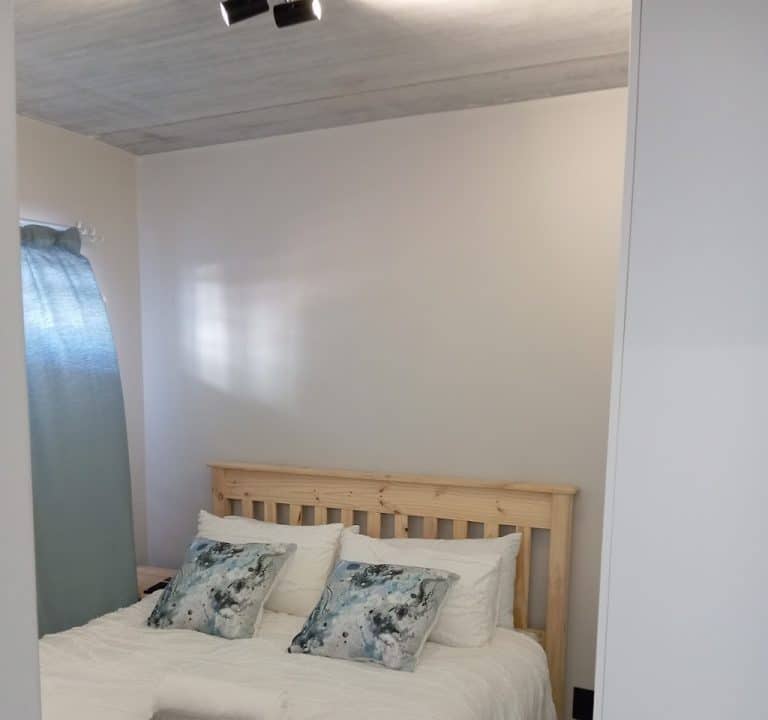
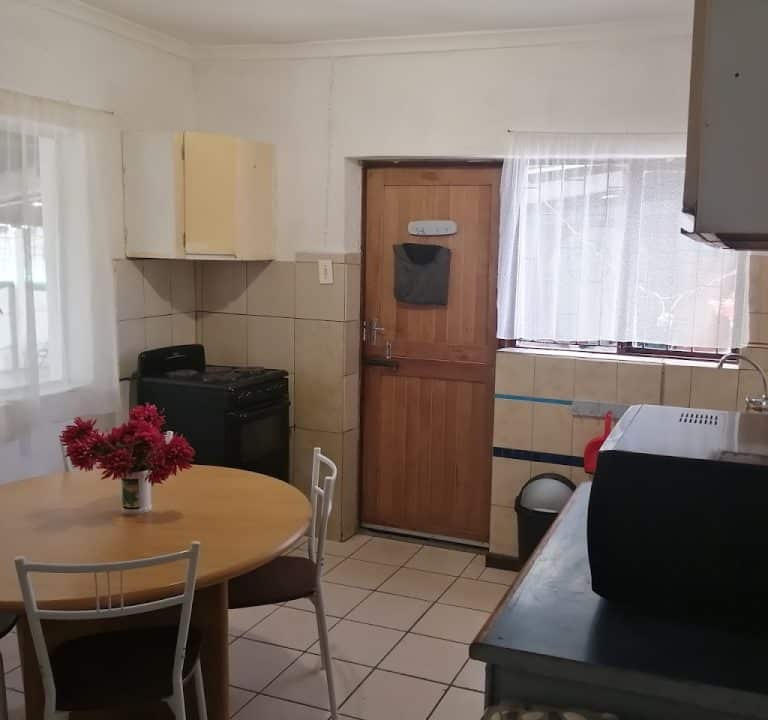
Cape Town offers a diverse tapestry of places to stay and a wide range of experiences to match. From self-catering apartments with sea views to boutique guesthouses tucked in leafy streets, travellers can find settings that suit both short breaks and longer spells of discovery. When choosing where to stay, think about what you want to prioritise: proximity to iconic sights, ease of access to transport, or a calmer neighbourhood with good dining and shopping options. One option to consider is Safegate Accomodation, a self-catering place that sits well for flexible itineraries and family stays. See more at Safegate Accomodation.
Neighbourhoods to consider include the following, each with its own character and advantages:
- V&A Waterfront and the City Centre (City Bowl): vibrant, with easy access to ferries, museums, and restaurants, and generally good public transport links.
- Atlantic Seaboard (Green Point, Sea Point, Camps Bay): dramatic ocean vistas, easy access to beaches, scenic coastal walks, and stylish eateries.
- Table Mountain foothills (Tamboerskloof, Gardens, Bo-Kaap): tree-lined streets, boutique cafés, and a short ride to the slopes of Table Mountain.
- Constantia Valley: a quieter, leafy area ideal for self-catering stays if you’re seeking gardens, wine estates, and a slower pace.
When booking, look for practical amenities that support a comfortable stay. Common conveniences include reliable Wi‑Fi, a well-equipped kitchen or kitchenette, secure parking or easy street parking, laundry facilities, and clear information about local transport options. In self-catering properties, a well-equipped kitchen, strong heating or cooling, and good blackout curtains are especially useful due to Cape Town’s varying climate. If you’re travelling with family or a small group, check layout and number of bedrooms to ensure privacy and comfort without compromising communal space.
Transport in Cape Town is a key factor in planning. The city benefits from a growing network of buses and ride-hailing options, but distances can be long and traffic can be unpredictable during peak periods. Consider accommodation with easy access to MyCiTi services or a reliable taxi option, and factor in the convenience of being near a main road or mainline rail stations if you plan day trips. For those who prefer self-drive holidays, verify parking arrangements and whether the property offers secure parking or easy access to public garages in busy areas.
Best time to visit Cape Town depends on what you want from your trip. The city enjoys warm summers (December to February) with lively outdoor scenes, but this is also peak tourist season. Spring (September to November) and autumn (March to May) are popular for milder weather, blossom in the Kirstenbosch gardens, and fewer crowds. Winter (June to August) brings cooler, wetter days but can be excellent for urban exploration, cultural events, and enjoying warm, hearty meals in the many bistros and markets. If you’re seeking the iconic views without the peak-season bustle, shoulder seasons are worth considering.
Top attractions and experiences can be enjoyed in many ways, from guided tours to independent explorations. Iconic perspectives include taking a cable car or a scenic hike up Table Mountain for panoramic views over the city and coastline. The waterfront district offers maritime heritage, artisan markets, and easy access to boat trips or harbour cruises. Natural highlights include the Cape Peninsula’s rugged coastline, the scenic Cape Point reserve, and the cultivated splendour of Kirstenbosch National Botanical Garden. For clothing-optional beaches or favourites among locals, coastal paths and coves around the Atlantic Seaboard provide refreshing sea air and coastal scenery.
Food and drink in Cape Town span cosmopolitan bistros, traditional South African fare, and fresh seafood. In many areas you’ll find excellent casual eateries alongside fine-dining venues, with a focus on seasonal produce and coastal flavours. When planning meals, you’ll often have the option to mix self-catering days with convenient local groceries and markets, followed by evenings sampling stylish restaurants or relaxed wine estates nearby in Constantia or nearby valleys. If you prefer research-led meals, look for places with clear menus and flexible options rather than fixed-set experiences—this helps you tailor each meal to your day’s plans.
Practical planning tips:
- Read recent guest reviews to gauge consistency in cleanliness, responsiveness, and quiet hours.
- Confirm check-in procedures, parking, and access to the property prior to arrival, and ask for a flexible cancellation policy if your plans are subject to change.
- Prepare for varied weather by packing layers, a light rain jacket, and comfortable walking shoes for both urban exploration and outdoor hikes.
- Plan one or two long days that cover a northern valley or coastal drive, then save time for shopping, markets, and an aquarium or museum visit depending on your interests.
Bottom line: Cape Town rewards travellers who balance a well-chosen base with thoughtfully planned days. Whether you opt for a central apartment, a guesthouse with a personal touch, or a serene self-catering retreat in a wine region fringe, the city offers a spectrum of experiences. With good planning—considering area character, transport access, and practical amenities—you can optimise comfort and maximise the magic of a stay in this vibrant, scenic corner of the Western Cape.