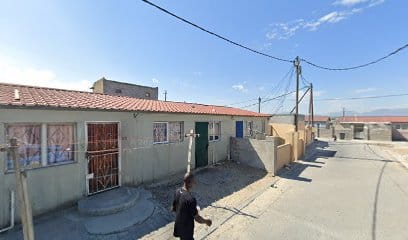
Accommodation and attractions in Cape Town, Western Cape
Cape Town offers a broad spectrum of stay options, from stylish self-catering apartments and comfortable guesthouses to boutique hotels and serviced apartments. When planning a visit, think about the areas that suit your pace, your transport needs, and the kind of neighbourhood vibe you prefer. Whether you are travelling solo, as a couple, or with friends, there are plenty of choices that align with different budgets and durations of stay.
Popular bases for visitors include the City Bowl and the downtown Waterfront area, where easy access to shops, markets and a lively dining scene sits alongside scenic views of the harbour and Table Mountain. The Atlantic Seaboard – encompassing Sea Point, Bantry Bay and Camps Bay – is ideal for those who want sea views, promenades for morning runs, and a relaxed beach-front atmosphere. For a quieter, leafy retreat with quick access to wine routes and mountain trails, the Southern Suburbs around Kirstenbosch and constantia offer self-catering homes and guesthouses with garden space and privacy. For a more budget-conscious or independent stay, neighbourhoods like Woodstock and Observatory provide characterful apartments and guesthouses, often with good public transport links to the city centre.
When choosing accommodation, consider what you most want to access during your visit. If you plan to explore the city on foot or rely on short rides, staying near the City Bowl, Green Point, or the V&A Waterfront can minimise travel time. If you are visiting for the beaches and outdoor activities, the Atlantic Seaboard or Constantia options may suit you best. For longer stays or more economical holidays, self-catering units with kitchen facilities allow you to manage meals and give you flexibility around dining out.
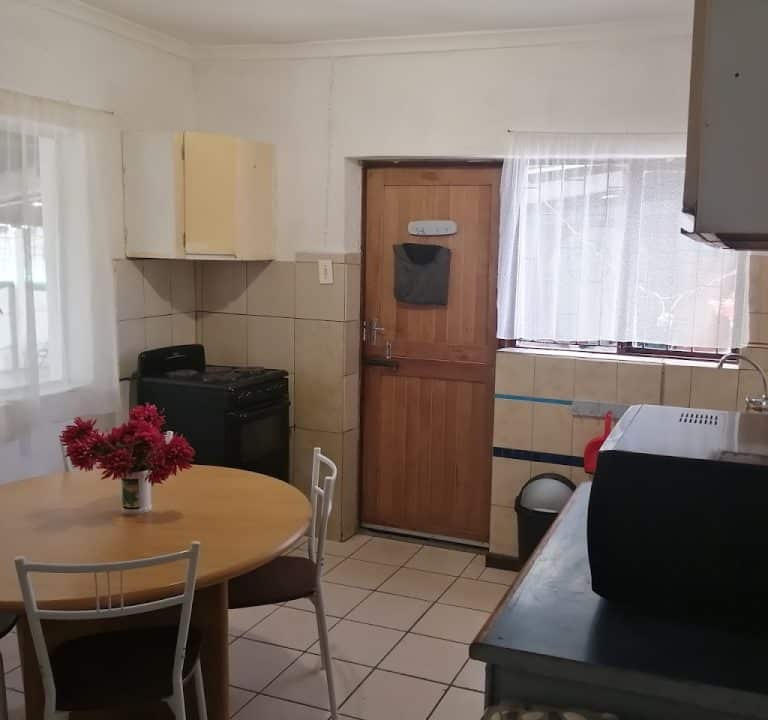
Typical amenities in Cape Town’s accommodation range from fully equipped kitchens and free Wi-Fi to secure parking, laundry services, and on-site parking. Many properties provide balconies or terraces with mountain or sea views, and some offer communal spaces such as shared lounges, terraces, or gardens. House rules may vary, especially in guesthouses and boutique hotels; some self-catering places will rely on a host for weekly cleaning or offer self-cleaning options. When booking, check whether security features such as 24-hour reception, coded access, or safe parking are provided, particularly in City Bowl or near the Waterfront.
Transport is straightforward but varies by area. The MyCiTi bus network serves many parts of Cape Town with reliable city routes, while Uber and other ride-hailing services are widely used for longer trips or late evenings. If you are renting a car, confirm on-site parking availability and any restrictions in certain neighbourhoods. For day trips to Cape Point, the Cape Winelands, or scenic coastal towns, an organised tour or a rental vehicle will broaden your schedule—but many self-catering setups are well-placed for independent exploration if you enjoy flexible planning.
Best time to visit Cape Town is typically in the Southern Hemisphere’s summer and shoulder seasons. Summer (December to February) brings pleasant days for outdoor activities and beach days, while spring (September to November) and autumn (March to May) offer milder weather and quieter crowds. Winter (June to August) is cooler and wetter, yet it can be a good time to enjoy museums, dining, and indoor experiences. If you are planning peak-season travel, book accommodation well in advance to secure the best areas and rates. For wine lovers and hikers, combining stays with day trips to the winelands or coastal hikes can be particularly rewarding outside the busiest periods.
Beyond where you stay, Cape Town’s attractions provide a diverse mix. General highlights include dramatic viewpoints atop Table Mountain, interesting harbour-front experiences, and easy access to the pristine beaches along the Atlantic Seaboard. The nearby Cape Point and Cape of Good Hope offer scenic drives and nature walks. Kirstenbosch National Botanical Garden remains a premier location for outdoor strolls, concerts, and seasonal exhibitions, while the V&A Waterfront blends shopping, dining and harbour views into a convenient itinerary hub. Dining options range from casual bistros to refined, farm-to-table experiences, with a focus on seafood, local produce, and multicultural flavours. For a deeper cultural perspective, consider guided tours that cover the city’s rich history and its vibrant contemporary arts scene, all of which can be accessed through various travel and tourism websites.
When planning stays tailored to specific needs, such as rooms available for female students or single working female travellers, look for properties that emphasise privacy, security, and convenient access to transport and study or work facilities. Self-catering accommodation can be particularly advantageous for longer visits or study stays, offering flexibility with meal preparation and a comfortable, home-like environment. Always read reviews for recent guest experiences related to safety, cleanliness, and staff helpfulness, and use reputable booking platforms that provide transparent policies on deposits, cancellations and check-in procedures.
- Assess the neighbourhood: access to reliable transport, local amenities, and safety considerations.
- Check essential conveniences: kitchen facilities, laundry, parking, and Wi-Fi quality.
- Confirm security and access: reception arrangements, door codes, and on-site staff availability.
- Plan your daily routes: proximity to main sights, beaches, markets, and dining options.
For further inspiration and practical planning, you can explore regional tourism resources online to map out an itinerary that balances accommodation with the must-see sights, gastronomy and experiences that Cape Town has to offer. Website links to official tourism bodies, travel guides and reputable accommodation platforms can help you compare options, read recent guest reviews, and book with confidence as you prepare your Cape Town stay.