Accommodation and Experiences in Cape Town: Planning Your Stay in a City of Contrasts
Cape Town is a destination built for travellers who want a base with character, comfort and easy access to a dazzling array of landscapes. From leafy neighbourhoods with boutique guesthouses to sun-kissed coastlines and stylish city streets, the accommodation scene in the Western Cape’s lively harbour city offers a range of options for every budget and style. A stay centred around a few well-chosen neighbourhoods can minimise transit time and maximise your time on the ground exploring, dining and discovering the region’s natural beauty.
When choosing where to stay, think about what you most want to experience. If you crave sea views and a lively promenade, the Atlantic Seaboard and the Waterfront can be ideal. For easy access to the dramatic Table Mountain and the city’s cultural heart, the City Bowl and surrounding districts offer walkable streets, cafés and art. For wine lovers and a break from the coastline, Constantia and nearby glut of wine farms provide a peaceful retreat with a sense of splendour. And for a flash of colour, Bo-Kaap and the central city offer vibrant heritage, convenience and a compact radius of eateries and galleries. Your choice will shape the pace of your days: a seaside boutique guesthouse invites an early-morning stroll along the shore, while a centrally located B&B can be a gateway to museums, markets and nightlife.
Typical accommodations range from intimate Bed & Breakfasts and guesthouses to boutique hotels and self-catering apartments. In Cape Town, you’ll often find generous breakfasts included, with hosts who can share local tips on routes, markets and day trips. Some properties offer extra touches such as curated private tours, guided walks up Table Mountain, or reliable shuttle services to popular sights. If you’re travelling with family or a group, a well-equipped apartment or an open-plan guesthouse with a small kitchenette can offer flexibility and value, while boutique hotels may provide more personalised service and stylish interiors.
Consider these practical aspects when booking:
- Location and access: check distance to your must-see spots and whether the neighbourhood feels safe and well-served by transport or walkable paths.
- Transport options: look for properties with on-site parking or easy access to public transport or reputable ride-hailing services, especially if you plan to venture to the Cape Point area or winelands on day trips.
- Amenities: reliable Wi‑Fi, a comfortable workspace if needed, secure storage for luggage, and breakfast options can save time and hassle during travels.
- Seasonality and price: Cape Town is seasonal. Peak summer (roughly November to February) brings busy beaches and longer days, while shoulder seasons can offer quieter experiences and more favourable rates.
- Safety and access: read recent guest reviews for insights on neighbourhood safety, parking, and noise levels in the evening.
Staying in a B&B such as a well-run property in a central or scenic pocket can provide hosts who offer local guidance and a sense of community, while a self-contained apartment might suit guests seeking privacy and a more independent rhythm. When planning a multi‑night stay, it can be worth sampling two contrasting settings—perhaps a few nights near the buzz of the City Bowl or V&A Waterfront, followed by a couple of nights in a tranquil Constantia or Kirstenbosch-fringe retreat to balance the itinerary.
Best time to visit Cape Town depends on the mix of experiences you want. The summer months bring long beaches, outdoor markets and rooftop dining, while spring (September to November) and autumn (March to May) offer mild weather, flowering fynbos and good conditions for hiking. Winter (June to August) is cooler and quieter but still pleasant for city strolls and museum days, plus there are fewer crowds at popular sights.
When it comes to experiences beyond your lodging, Cape Town presents a spectrum of possibilities. Iconic natural attractions such as a cable-car trip up a flat-topped mountain, panoramic coastal drives past dramatic headlands, and sheltered beaches are complemented by cultural highlights: museums and galleries that trace Cape heritage, vibrant markets, and culinary ventures ranging from casual bistros to refined dining rooms. Outside the city, the Cape Winelands offer day trips among vine terraces and historic estates, while penguin viewpoints and coastal reserves provide nature-focused itineraries. For many visitors, combining a stay with guided coastal walks, harbour cruises, or a sunset tasting session at a nearby vineyard creates a balanced, memorable itinerary.
To help you plan a well-rounded visit, consider a sample structure: a couple of days for hiking, a day exploring the V&A Waterfront and central sights, a day drive along the Atlantic coast for beaches and viewpoint stops, and a day trip to nearby wine country or a penguin colony. Regardless of how you structure your days, a flexible approach with time built in for spontaneous discoveries—local cafés, a farmers’ market, or a sunset stroll along the coast—often yields the best memories.
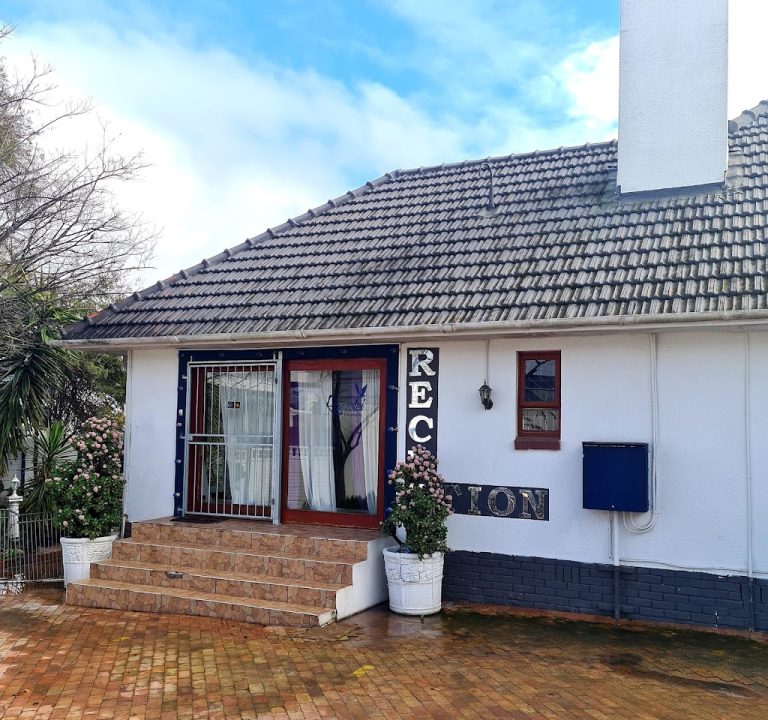
For the specific lodging example of 26 on Zinnia, travellers can expect a characterful Bed & Breakfast experience that emphasises comfort and attentiveness in a convenient neighbourhood. Guests often appreciate a thoughtful breakfast and hosts who can point to tailored routes and local flavour. When checking availability, consider nearby dining options and short walks to public transport routes so your days aren’t swallowed by long commutes. More broadly, Cape Town’s accommodation scene rewards those who balance location, amenity, and personal style with a flexible, well-planned itinerary. For more inspiration and practical planning, you may wish to explore official tourism resources and property websites linked through trusted channels.