Accommodation and Experiences in Cape Town: Where to Stay, What to Do
Cape Town combines dramatic scenery with a hospitality scene that ranges from boutique guest houses to stylish boutique hotels and family-friendly lodges. When planning a stay, consider the area that best fits your itinerary, whether you want easy access to iconic viewpoints, bustling city life, or tranquil drives through the winelands. A well-chosen base can save you travel time and maximise your time exploring the city’s dramatic coastline, vibrant markets, and world-class dining.
Areas to consider include the city centre and the historic bohemian precincts, the Atlantic Seaboard with its sun-drenched beaches, and leafy Constantia and the Cape Winelands just beyond the city. The City Bowl keeps you near museums, restaurants, and night life, while the Atlantic Seaboard offers shoreline walks, dramatic sunsets, and a large choice of guest houses and boutique hotels. For a quieter stay, look to Constantia or Hout Bay, where green hills, coastal scenery and guest houses with terraces provide a relaxed base for day trips.
When choosing accommodation, think about what you want most from your stay. If you plan long days of sightseeing, proximity to transport and attractions can be more valuable than a hotel with extensive on-site facilities. If you prefer a more immersive experience, a guest house or boutique property with local knowledge can offer personalised recommendations, from day trips to hidden culinary spots. In Cape Town, many guest houses and small lodges emphasise hospitality, with hosts who can help tailor your plans to weather, tides, and opening times.
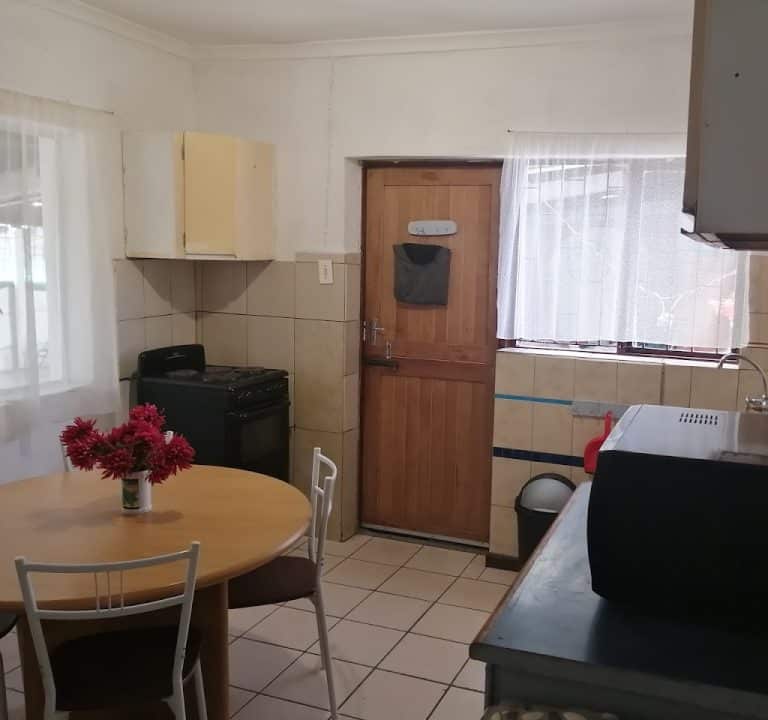
Typical amenities to look for include free Wi‑Fi, secure parking, easy access to public transport or reliable airport transfers, and kitchens or self‑catering options if you want flexibility. Outdoor spaces are a big plus in Cape Town’s climate — balconies, terraces, or courtyards let you enjoy the scenery and afternoon light. If you’re visiting in peak season, check whether the property offers breakfast, as this can save time in busy mornings or provide a comforting start to a day of exploration.
Transport in Cape Town is straightforward but can be more comfortable with some planning. The MyCiTi bus network covers many parts of the city, while Uber and similar services are widely available and convenient for late evenings or trips to the waterfront. If you hire a car, confirm parking arrangements at your chosen property, as space can be limited near popular districts. Some properties provide arrangements or recommendations for private drivers, which can be a smart option for coastal drives or wine-country day trips.
The best time to visit Cape Town depends on what you’re after. Spring and autumn bring mild weather and fewer crowds, ideal for hiking Table Mountain and visiting Kirstenbosch Gardens. Summer offers long days for beach outings and outdoor markets, while winter can be quieter but cooler, with dramatic sea and stormy skies that still appeal to photographers and food lovers seeking cosy restaurants.
For those planning a stay at a guest house in the area, you’ll often find a warm, personal welcome and insightful local tips. A place such as The Bells House (a guest house in Cape Town) can provide a sense of place with its neighbourhood character and handy access to city sights. Always read current guest reviews to gauge warmth of hospitality, attention to cleanliness, and the accuracy of property descriptions, as these are reliable indicators of a smooth stay.
Attractions and activities in Cape Town are plentiful and varied. Natural landmarks such as Table Mountain and the surrounding nature reserves offer spectacular viewpoints and trails for all fitness levels. The coastline provides opportunities for scenic drives, penguin spotting at specific beaches, and coastal walks. The V&A Waterfront is a hub for shopping and dining with views over the harbour, while neighbouring districts offer markets, crafts, and street food themes that reflect the city’s multicultural character. Day trips can include the Cape Peninsula via scenic coastal routes, or a visit to the Cape Winelands for wine tastings and restaurant meals set among vineyard scenery.
When planning meals, Cape Town’s dining scene ranges from casual cafés to refined restaurants that champion regional produce and seafood. You’ll find a breadth of options near most accommodation hot spots, including light breakfasts at guest houses, family-friendly eateries, and more formal dining rooms. While exact menus and prices are subject to change, you can expect a focus on fresh, seasonal ingredients and a mix of South African flavours with global influences. If you’re staying in a self-contained or semi-detached property, you might also enjoy shopping at local markets or small grocers for picnic supplies to enjoy on a beach or hillside vantage point.
Practical tips for planning your stay: book early for peak periods and coastal hikes, check the property’s proximity to preferred transport routes, and confirm whether breakfast or kitchen facilities are included if you want flexibility in mealtimes. Look out for properties that offer flexible cancellation policies, especially if your plans may change with weather or tide conditions. Finally, balance your itinerary with downtime: Cape Town rewards those who pause to appreciate a sunset from a rooftop bar, a quiet stroll along the harbour, or a bench in a verdant garden after a day of exploring.