Where to stay and what to do in Cape Town: accommodation planning and local highlights
Cape Town offers a diverse range of places to stay, from stylish boutique hotels in the heart of the city to self‑contained guesthouses along the Atlantic coast. When planning a stay, think about what you want from your neighbourhood, your preferred pace, and how easy it is to reach the sights you’re most excited to see. The city’s beauty is matched by a wealth of dining and activity options, making it practical to base yourself in more than one area if your itinerary allows.
One convenient approach is to stay in a well‑located central area and then explore nearby beaches or nature reserves on day trips. The central City Bowl and the V&A Waterfront offer plenty of options for accommodation with good access to public transport, shops, and eateries. For a more relaxed coastal vibe, consider camps along the Atlantic Seaboard—such as Camps Bay or Clifton—for easy beach access and sunsets. If you’re drawn to street art, trendy cafés, and historic districts, a stay in areas like Woodstock or Observatory can be particularly rewarding. For wine lovers, a few days in Constantia or nearby Paarl and Stellenbosch can pair well with city sightseeing.
What to look for when booking your room or apartment matters as much as the location. Useful features include reliable high‑speed Wi‑Fi, secure parking if you’re driving, air conditioning or good natural ventilation, and well‑soundproofed rooms for city noise protection. Look for properties with generous communal spaces if you’re travelling with family or friends, or compact, well‑equipped kitchenettes if you prefer self‑catering. For safety and convenience, check the reception hours and whether the property offers on‑site staff or a responsive management team. If you’ll be exploring by taxi or ride‑hailing apps, a property within easy walking distance of main routes or a taxi stand can save time and hassle.
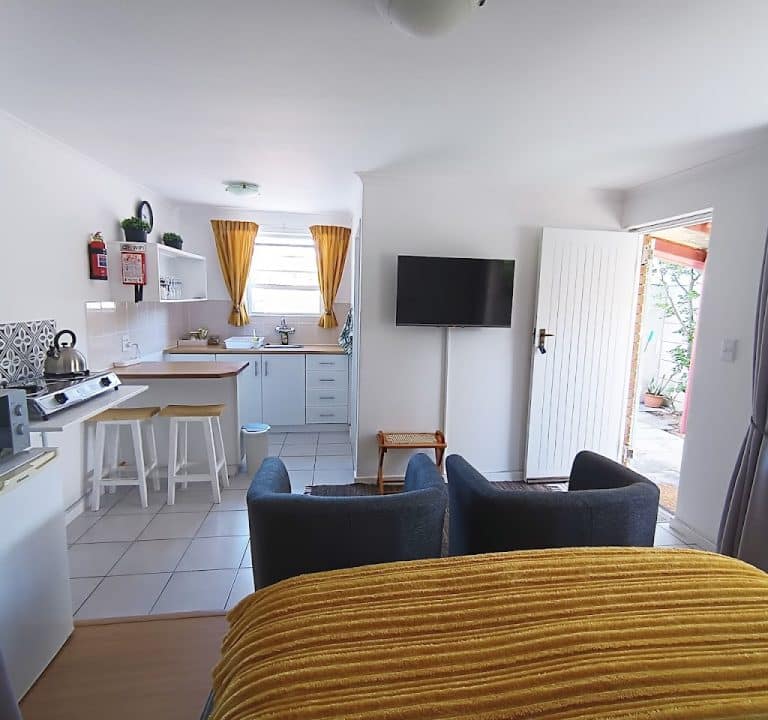
Typical amenities you may encounter include comfortable beds with quality linens, tea and coffee facilities, adequate storage, and daily housekeeping options. Some properties provide complimentary breakfast to start your day, while others offer access to a communal kitchen or a small in‑house restaurant. If you’re visiting for outdoor adventures, ask about facilities for equipment storage (such as surfboards or hiking gear) and whether there are clothes washing services nearby. In urban areas, a good in‑room desk or a comfortable lounge area can be helpful if you need to catch up on work or plan your day between layers of activities.
Transport is a key consideration. Cape Town has a growing network of affordable, reliable options, including MyCiTi buses and Uber/other ride‑hailing services. If you plan to stay outside the city centre, ensure your accommodation provides easy access to main routes or offers parking. For a more flexible travel plan, some guests favour a mix of stays—base yourself for several nights in the central city to enjoy dining and culture, then move to the coast for a few days of sea breeze and relaxation. Remember that the weather can shift quickly along the coast; plan your wardrobe to cover sun, wind, and occasional rain in any season.
When is the best time to visit? Cape Town has a Mediterranean climate with warm, dry summers and cooler, wetter winters. Peak tourist season typically falls in the summer months, when beaches and outdoor venues are busiest. Shoulder seasons can offer calmer streets, cheaper rates, and pleasant sightseeing weather. For outdoor pursuits such as hiking, wildlife experiences, and scenic drives, spring and autumn provide comfortable conditions with verdant landscapes and abundant wildlife opportunities. If you’re drawn to Cape Town’s culinary scene, year‑round dining experiences are superb, but booking ahead for popular restaurants and experiences is wise during peak periods.
Activities and experiences to consider span a broad spectrum. You can plan a day of city exploration on foot or by organised tours that cover historic precincts, markets, and vantage points with sweeping views. Nature lovers might relish a cable car ascent for panoramic views or a nature reserve visit to see regional flora and fauna. Cultural experiences often blend galleries, crafts markets, and live music in the evenings, with many venues offering menus inspired by local ingredients. For foodies, a guided tasting or a small‑group tour can be a delightful way to sample Cape Town’s diverse culinary scene, from seafood to braai traditions and contemporary cuisine. If you’re seeking a scenic outing, coastal drives and harbour walks provide opportunities to pause for coffee or a light bite with the Atlantic breeze in your hair.
Regent House represents a segment of well‑located, comfortable hotels that aim to balance convenient access with a calm, restful atmosphere. In central districts, guests often appreciate proximity to theatres, cafés, and markets, making it an easy base for exploring by day and enjoying city life by night. When you book, consider how the property’s location aligns with your planned activities—whether you want a quick stroll to shops and dining or a short rideshare to the day’s sights. For inspiration and practical tips, you can visit regional tourism sites or hotel pages offering detailed neighbourhood guides and suggested itineraries. If you have a particular focus—be it art, wine, or coastal scenery—a two‑stop plan that blends a city stay with a seaside stay tends to yield a balanced Cape Town experience.
- Plan with a rough day‑by‑day idea: city highlights, a beach day, a nature excursion, and a few dining experiences.
- Book with flexible cancellation where possible, in case weather or plans change.
- Check transport options from your base to major sights and nearby towns.
- Consider a mix of accommodation types to balance price, location, and pace.
- Look for reputable, up‑to‑date information on official tourism sites or hotel pages.
For ongoing inspiration and practical planning, explore official tourism resources and reputable travel guides. Cape Town rewards curious travellers with scenic landscapes, vibrant neighbourhoods, and a hospitality scene that tends to match every budget and preference. With thoughtful planning and a flexible approach, your stay can blend comfortable accommodation with memorable coastal, cultural, and culinary experiences.