Accommodation and Experiences in Cape Town: Planning Your Stay in the Mother City
Cape Town offers a diverse spectrum of places to rest, from intimate guest houses to stylish boutique hotels and family-friendly lodges. When planning a trip, think about what you want from your base: proximity to the city’s iconic sights, access to beaches, or a quieter neighbourhood with a village feel. In this guide, you’ll find practical tips for choosing accommodation, what to expect in terms of amenities, and how to make the most of your time in the Western Cape’s foremost travel hub.
One useful approach is to base yourself in a few well-chosen neighbourhoods rather than trying to cover the whole city in a single stay. The Atlantic Seaboard and Green Point can offer easy access to beaches and the V&A Waterfront, while the City Bowl and Gardens regions are convenient for museums, markets, and restaurants. If you’re after a more laid-back vibe with mountain views, consider areas closer to the slopes of Table Mountain or along the Constantia Valley wine route. Bed & Biscuit, a guest house in central Cape Town, exemplifies how a well-situated property can combine comfort with easy access to major sights, whether you’re visiting for a weekend break or a longer itinerary.
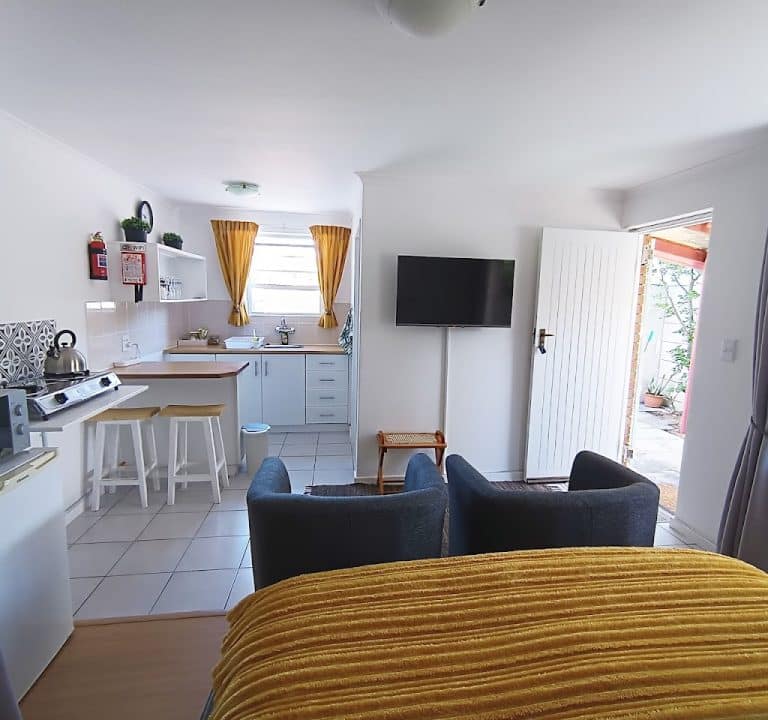
When choosing accommodation, look for a few core features that typically enhance a stay in Cape Town. A comfortable bed and quiet, well-insulated rooms make a big difference for rest after a day of exploring. Consider climate and season: summers can be warm and sunny, while winters are mild but occasionally wet. Good air conditioning or reliable heating is worth noting, especially if you plan to travel outside peak season. Enquire about security measures, on-site parking or nearby parking options, and whether the property offers flexible check-in times. If you plan to stay longer, a small kitchenette or self-catering facilities can be very convenient, even in a guest house or boutique hotel.
Typical amenities to look for include free wifi, a welcoming lounge or outdoor space, and a hearty breakfast service if you enjoy a morning reset before heading out. Some stays offer additional touches such as curated local guides, bathtubs or rainfall showers, and thoughtful conveniences like laundry facilities or an on-site patisserie. If you’re travelling with family or a group, check room configurations and privacy options, such as interconnecting rooms or separate suites. Accessibility features may also be important, depending on mobility needs.
Transport is a key consideration. Cape Town’s public transport is expanding, but many visitors prefer a rental car for flexibility. If you don’t plan to drive, choose a property near reliable public transport links or within easy reach of guided tours and transfer services. For those who do drive, ensure there is secure parking or clear guidance on street parking rules. Within the city, many venues are walkable or bicycle-friendly, particularly in the central districts and along the Atlantic coast. A well-located base can reduce transport time and help you maximise sightseeing and dining time.
The best time to visit Cape Town depends on your priorities. Summer (December to February) brings long days and sea air, ideal for beaches and outdoor activities. Autumn (March to May) offers cooler temperatures and calmer crowds, great for hiking conditions around Table Mountain and the surrounding hills. Winter (June to August) is mild, with cooler evenings and a chance of rain, yet it can be excellent for food, markets, and cultural events. Spring (September to November) is a favourite for blooming flora and pleasant weather. Ask your accommodation about any seasonal packages or local events, which can enhance your stay while sometimes affecting availability and pricing.
When planning activities, balance iconic experiences with time to wander. Iconic attractions are widely publicised, but many visitors find that the best memories come from exploring streets filled with markets, coffee shops, and small galleries. In Cape Town, you can expect a mix of natural scenery, cultural spaces, and dining experiences that highlight regional flavours and international techniques. For a taste of the city’s hospitality scene, look for neighbourhood cafés and eateries that use fresh, local ingredients and offer view-spanning venues or neighbourhood vibes, rather than formal dining rooms alone. If you’re unsure where to begin, reputable tourism sites and guesthouse hosts often provide practical, up-to-date recommendations that reflect current conditions and seasonal attractions.
Practical tips to help you plan smoothly:
- Book early in peak season and consider midweek stays for better value and quieter venues.
- Ask about complimentary services such as airport transfers or guided city introductions.
- Check cancellation policies and payment terms, especially for longer stays or high-demand periods.
- Request information on nearby dining options and pantry facilities if you prefer self-catering.
- Look for flexible check-in/out options if your travel times vary, and confirm the property’s approach to security and guest safety.
For planning inspiration and practical information, you can start with official regional resources such as Cape Town Tourism. Linking to trusted sources can help you tailor your itinerary to your interests, whether you’re seeking beach days, hiking escapades, cultural tours, or culinary adventures. A well-chosen stay in Cape Town can become a comfortable base from which to explore the region’s diverse landscapes and welcome, resilient communities.