Planning a memorable stay in Cape Town: where to base yourself, what to expect, and how to make the most of the city
Cape Town is a city of contrasts, where beaches meet mountains and historic streets sit beside modern eateries. Whether you are looking for a stylish apartment, a cosy guesthouse, or a luxurious lodge, choosing the right accommodation can shape your whole experience. The Western Cape’s capital offers a mix of neighbourhoods, each with its own character, so it is worth weighing what matters most to you—views and access to the coast, easy proximity to the city centre, or a tranquil retreat among leafy suburbs.
When planning a stay, think about the areas that will save you travel time and let you enjoy your activities. The City Bowl core and the adjacent foreshore feel instantly urban, with plenty of short walks, markets, museums, and a cosmopolitan dining scene. The Atlantic Seaboard, including popular coastal suburbs, provides dramatic scenery, seafront promenades, and bright colonnaded streets. Constantia and nearby wine routes offer a more relaxed, rural tempo with verdant gardens and vineyard lunches. If you plan day trips to the Cape Peninsula or the winelands, consider a base within convenient driving distance to reduce daily commuting time.
Typical amenities to look for include reliable Wi‑Fi, a well-equipped kitchen or kitchenette, secure parking, good natural light, and air conditioning or heating for variable seasons. Many self-catering options will emphasise home comforts—spacious living areas, organised storage, and in-unit laundry facilities—which can be especially valuable for longer stays. For shorter stays, you may prioritise proximity to a vibrant area with cafés, bakeries, and bakeries, to maximise convenience. Check reviews for accessibility, soundproofing, and the host’s responsiveness, as these can greatly affect your comfort when travelling.
Transport is a critical consideration in Cape Town. If you plan to stay near the city centre or the waterfront, you can often rely on walkability plus rideshares or short taxi rides, which are convenient for evenings out. If you intend to explore further afield—such as the Constantia valley, Chapman’s Peak, or the Cape Peninsula—having a car or arranging reliable guided tours is preferable. Some guesthouses and holiday rentals offer car hire on site or partner with local operators. For those who enjoy the outdoors, ensure any accommodation has easy access to safe routes for walking or cycling, and be mindful of parking arrangements if you are staying in busy areas.
The best time to visit Cape Town depends on your priorities. Peak season runs from December to February, when days are long and beaches are lively, but this also means higher prices and busier streets. March to May brings shoulder-season calm with mild weather and fewer crowds, ideal for exploring attractions at a more relaxed pace. Winter, from June to August, is cooler and occasionally rainy, yet the city’s indoor attractions, markets, and culinary scene keep visitors engaged. Spring offers a blend of pleasant weather and blossoming gardens, particularly around the Kirstenbosch area. Always check local event calendars, as capsule festivals, markets, and cultural happenings can enrich your stay beyond the weather narrative.
Planning practicalities can streamline your trip. Consider securing a base with clear access to reliable grocery stores or markets, where you can stock up on breakfast provisions and simple meals. If you plan to visit popular attractions, such as iconic viewpoints, nature reserves, or wildlife experiences, book timed-entry or guided tours in advance where possible, especially during high season. Always keep a sensible daypack with sunscreen, water, and a light layer for sea breezes or elevated viewpoints. For travellers with mobility considerations, confirm access features such as lifts, ramps, and the layout of stairs in accommodation and venues you intend to visit.
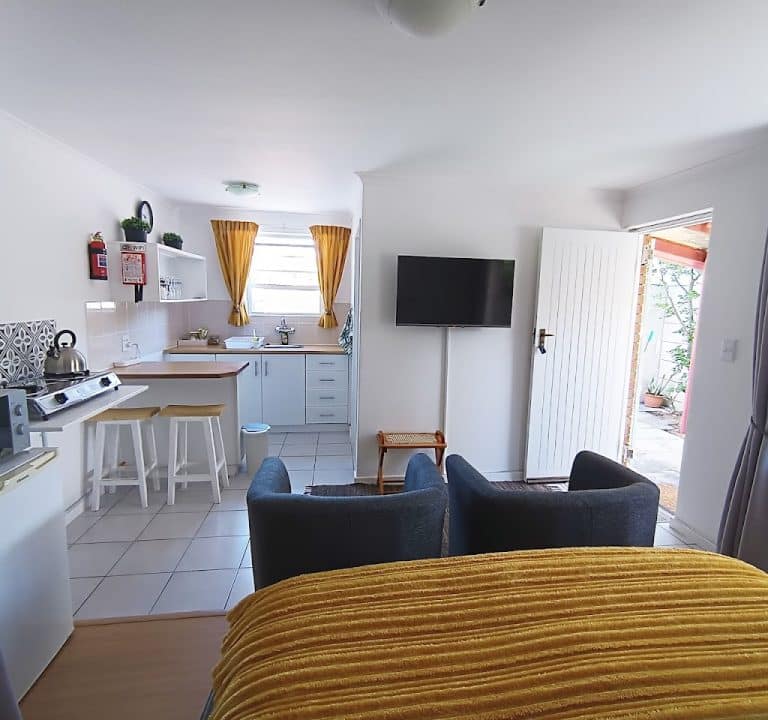
When choosing accommodation in Cape Town, you may encounter a range of options that suit different budgets and preferences. Self-catering holiday apartments, such as Makanaka selfcatering Holiday Accommodation, offer a flexible stay with the comforts of home—kitchens, lounges, and private entrances—allowing you to tailor meals and routines to your itinerary. Boutique guesthouses can provide a more personalised experience, often with breakfast included and a sense of local hospitality. For those seeking expansive views and resort-style amenities, lodges or well-appointed hotels in scenic suburbs may be worth considering. Regardless of type, read recent guest reviews for honesty about location, noise, and service levels, and verify cancellation policies before finalising bookings.
To get the most from your visit, combine a well-chosen base with a balanced itinerary. Start with a couple of day trips to iconic natural sites or harbour vistas, interspersed with relaxed coastal strolls and time to enjoy the city’s cafés and markets. Include a wine-tasting excursion or a visit to a garden or nature reserve, and leave room for spontaneous discoveries—pop-up eateries, street music, or a sunset viewpoint can be among the city’s most memorable moments. For accommodation ideas and practical planning, you can explore official tourism resources and accommodation providers online, ensuring you have up-to-date information and convenient booking options.
- Areas to consider: City Bowl and CBD for nightlife and culture; Atlantic Seaboard for beachfront scenery; Camps Bay and Clifton for drama and sunsets; Green Point and De Waterkant for a food-and-drink scene; Constantia for wine routes and tranquillity.
- Key considerations when booking: location relative to planned activities, access to transport, kitchen facilities if self-catering, parking, and guest reviews about noise and cleanliness.
- Suggested activities: coastal walks, Table Mountain or Signal Hill viewpoints, beachfront markets, and exploring nearby winelands or botanical gardens—mixed with relaxed meals at approachable cafés and restaurants.
For more inspiration and current options, visit reputable tourism sites and the websites of specific accommodation providers to learn about what they offer and how they can tailor a stay to your interests. Cape Town welcomes every traveller with a blend of natural beauty, urban energy, and easy-going hospitality that makes planning your stay feel as enjoyable as the visit itself.