Accommodation and Experiences in Cape Town, Western Cape
Cape Town offers a diverse range of places to stay, from cosy BnBs tucked in leafy neighbourhoods to stylish lodges with sea views and modern apartments in vibrant city districts. When planning a stay, think about your preferred pace, how you’ll move around, and which activities you want to balance with downtime. A well‑placed base can make exploring the city’s natural beauty, cultural highlights, and culinary scene both convenient and memorable.
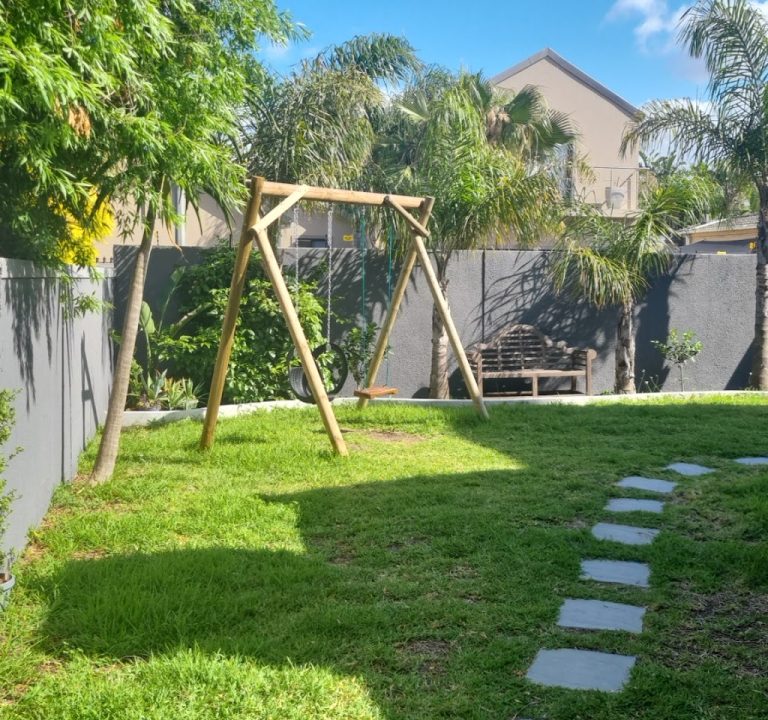
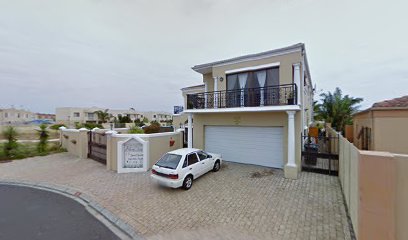
Typical options for lodging include guesthouses and BnBs in the more residential areas, boutique hotels in the City Bowl, and self‑catering apartments in areas closer to the Atlantic coast. Hayley’s Place, Cape Town, as a lodging option, exemplifies the kind of intimate, personally hosted stays that can feel like a home away from home. Look for properties that offer a comfortable, private space, reliable wi‑fi, and clear information about access and security. For longer stays, a kitchenette or access to a shared kitchen can be a real convenience, while for shorter visits you may prioritise on‑site parking, a 24‑hour desk, or a balcony with a view.
Where to stay largely defines your Cape Town experience. The City Bowl and the central Foreshore area are convenient for museums, galleries, nightlife, and easy access to public transport. The Atlantic Seaboard, including Camps Bay and Clifton, is known for dramatic coastline views and beach access, perfect for sunny days and sunset strolls. Constantia and Wynberg offer leafy tranquillity and easy access to wine routes and nature trails. Those seeking a more eclectic, urban feel might choose Green Point, De Waterkant, or Woodstock, where modern apartments and guesthouses sit alongside vibrant dining scenes and markets. Consider proximity to MyCiTi bus stops, rail connections, or taxi/rideshare options when choosing a base, especially if you plan to travel beyond the city centre.
When booking, look for practical amenities and clear policies. A comfortable bed with quality bedding, climate control, good lighting for reading, and reliable hot water are essentials. If you anticipate working remotely, check for a dedicated workspace and strong wi‑fi. If you travel with family or a larger group, confirm room configurations (ensuite bathrooms, multiple bedrooms) and any maximum occupancy or noise policies. Accessibility features can be important for some visitors; ask about step‑free entry, stair free layouts, and facilities such as grab rails if needed. Transparent cancellation terms and up‑front information about check‑in times and parking are also valuable when planning, especially in peak seasons.
Typical amenities to expect in Cape Town accommodation include on‑site or easy access to parking, a private or shared outdoor space, daily housekeeping options, and a breakfast offering or close proximity to local cafés. A well‑run lodging will provide local guidance, such as maps or recommendations for the best viewpoints, safe walks, and family‑friendly activities. For guests seeking a more immersive stay, many lodgings in the area can arrange curated experiences or help point you toward reputable operators for guided hikes, wine tastings, or scenic drives along the coast.
Transport in Cape Town is relatively straightforward, though planning is wise during peak tourist periods. If you plan to self‑drive, you’ll want secure parking and clear directions to the area you’re visiting. Public transport includes the MyCiTi bus network, which can be a reliable way to traverse the City Bowl, Atlantic Seaboard, and southern suburbs. Ridesharing services are widely available and convenient for evening outings or trips to restaurants and markets after dark. If you intend to visit the Cape Winelands, Stellenbosch or Franschhoek, a day tour with a reputable operator or a private driver can be a comfortable option, allowing you to focus on scenery and tastings rather than navigation.
The best time to visit Cape Town spans several seasons. Spring (September to November) brings blooming flora and pleasant weather, while autumn (March to May) offers comfortable temperatures and fewer crowds. Summer (December to February) is bustling with beach life and outdoor events, but it can be busy near popular coastal spots. Winter (June to August) can be cooler and wetter, yet it’s a good period for fewer crowds at museums and indoor attractions, plus the surrounding mountains remain dramatic in the mist. Pack layers, sun protection for outdoor days, and a light waterproof layer for sudden showers. If you plan to visit Robben Island, Table Mountain, or Cape Point, check weather and cable or road closures in advance and allow for flexibility in your schedule.
Practical tips to enhance your stay:
- Book well ahead for peak times and seasonal events; consider midweek stays for better value.
- Communicate clearly with your host about arrival times and access instructions to avoid delays.
- Carry a small amount of local currency for markets and small vendors, even if plastic is widely accepted.
- Dress for variety: coastal winds can be cooler than you expect, even on sunny days.
- Plan two or three core activities per day to balance sightseeing with downtime and meals.
Beyond where you stay, Cape Town’s appeal lies in its natural beauty, diverse dining, and the chance to experience a city with both vibrant urban life and easy access to nature. From a restful morning in a quiet guesthouse to a day exploring sweeping beaches, vineyards, and viewpoints, a well‑chosen stay can anchor a memorable South African adventure. For inspiration, browse accommodation sites with detailed guest reviews, sensible cancellation policies, and practical information about parking and proximity to your preferred attractions. With careful planning, your Cape Town visit can be both relaxing and richly rewarding.