Planning your stay in Cape Town: accommodation, areas, and experiences
Cape Town blends dramatic scenery with a vibrant mix of neighbourhoods, making it a destination where choosing the right base shapes not only your rest but your daily itinerary. Whether you prefer a cosy inn, a modern boutique hotel, or a guesthouse with a home‑from‑home feel, there are options to suit most budgets and travel styles. A thoughtful approach to where you stay—and what you book in advance—can smooth the twists and turns of a city that is renowned for its natural beauty, diverse dining, and memorable experiences.
Areas to consider when planning your visit include the City Bowl and central Cape Town for easy access to museums, markets, and historic sites; the Atlantic Seaboard for panoramic coastal walks, beaches, and stylish eateries; Camps Bay and Clifton for a more resort‑like vibe; and Constantia or the greater southern suburbs for wine estates, green spaces, and quieter streets. If you’re keen to stay close to major attractions, a centrally located inn or guesthouse can reduce transit time and make early starts more relaxed. For coastal scenery and sunset dining, a stay on the Atlantic Seaboard offers easy access to famous viewpoints and a string of beaches.
When choosing accommodation, consider typical amenities that help you enjoy a comfortable stay: reliable heating or cooling for Cape Town’s changing seasons, good Wi‑Fi, private en suites, and options for self‑ catering or a light breakfast. Some inns and guesthouses provide common lounges with books and local travel guides, which can be handy on cooler days. If you’re visiting during peak tourist periods, look for places with flexible check‑in times and clear cancellation policies. If you plan to explore beyond the city, check on parking or easy access to public transport, as well as whether the property can arrange airport transfers or day trips with reputable operators.
Getting around Cape Town is part of the experience. Many visitors rely on a mix of car hire, rideshare services, and public transport. The MyCiTi bus system is user‑friendly for getting around the central areas and along the Atlantic Seaboard, while private transfers and guided tours offer convenience for day trips to places like the Cape Peninsula, Kirstenbosch Botanical Garden, or wine routes. If you choose an inn or guesthouse near the City Bowl or V&A Waterfront, you’ll often have walkable access to eateries, markets, and waterfront attractions, reducing the need for lengthy driving in busy traffic.
The best time to visit Cape Town stretches from spring (September to November) and autumn (March to May) when the weather is mild, the city is less crowded, and outdoor activities flow smoothly. Winter (June to August) brings cooler, wetter days, which can still be a perfect excuse for cosy lodgings with fireplaces or heated rooms. Summer is the peak season, offering longer days for outdoor adventures, so it’s wise to book well in advance if you’re aiming for a specific inn or guesthouse or want to secure a room with sea views along the coast.
When it comes to what to do, Cape Town offers a broad spectrum of experiences without requiring long travel times from most accommodation options. You can spend mornings on the iconic Table Mountain for sweeping city views, followed by afternoons exploring the V&A Waterfront, visiting markets, or taking a ferry to nearby Robben Island. Gardens and outdoor spaces—such as the Kirstenbosch National Botanical Garden and surrounding wine estates—provide serene day trips, while the city’s culinary scene covers everything from casual bistros to refined tasting menus. For a relaxed evening, seek out restaurants that celebrate fresh, local ingredients and regional flavours in a warm, welcoming setting.
Practical tips for visitors:
- Book accommodation with clear information on parking, access, and room configuration if you’re travelling with family or a group.
- Check cancellation policies and whether breakfast or meals are included, especially if your plans may shift with weather or activities.
- Ask about access to guest lounge areas, outdoor spaces, or rooftop decks for sunset views.
- Plan day trips in advance but leave room for spontaneous stops at beaches, markets, or coffee shops.
- Pack layers: Cape Town’s climate can be changeable, with cool mornings and evenings even in warmer months.
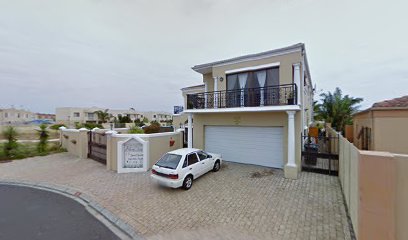
For travellers seeking a charming home base with modern conveniences, Brama Stay Inn offers a welcoming option in the region. You can explore more about the property and its surroundings on its website: Brama Stay Inn.
In sum, your ideal Cape Town stay balances a well‑located base with access to nature, culture, and cuisine. By choosing a district that suits your pace—whether you want bustling city life, coastal scenery, or vineyard tranquillity—and by selecting accommodation with sensible amenities and flexible plans, you’ll set the stage for a memorable visit to this remarkable corner of the Western Cape.