Accommodation and Experiences in Cape Town: A Practical Guide to Planning Your Stay
Cape Town is a city of remarkable contrasts, where mountain scenery meets pristine coastline and a cosmopolitan culinary scene sits alongside historic neighbourhoods. When planning a stay, consider not only where you sleep but how you move, what you want to see, and how you’ll balance iconic landmarks with quieter neighbourhoods that feel like home. A well-chosen bed & breakfast, guesthouse, or boutique hotel can set the tone for a memorable visit to the Western Cape.
One of the first decisions is area. The Atlantic Seaboard offers stunning ocean views, bright commuter streets and easy access to beaches and scenic drives. The City Bowl sits at the heart of the action, perfect for those who want to be within walking distance of museums, markets, and a lively dining scene. Constantia or the southern suburbs provide a more relaxed, leafy atmosphere and are convenient for exploring wine country, hillside estates, and peaceful terraces. If you’re travelling with family or prefer quieter coastal zones, you might look toward the Southern Suburbs or the Atlantic coast beyond Camps Bay and Clifton. Belvedere Close, a well-regarded bed & breakfast option, can serve as a comfortable base from which to explore both city sights and subtler coastal corners.
Whichever neighbourhood you choose, common amenities to look for include reliable wi‑fi, comfortable en-suite bathrooms, secure parking or easy public transport access, and an attentive host who can point you toward local favourites. Practical touches such as flexible breakfast timing, luggage storage, and clear guidance on how to reach top attractions can make a big difference to your experience. If you plan to drive, confirm parking arrangements in advance and be aware that some areas have limited or restricted parking at certain times. If you prefer not to drive, check how close the property is to light rail connections, bus routes, or ride-hailing options.
For transport, Cape Town operates a growing network of affordable services alongside private options. The city’s main public route network provides connections to major sights, while ride-hailing apps offer convenient onward journeys. If you intend to visit the Cape Peninsula, a guided tour or a well-planned self-drive itinerary can help you optimise your time, particularly for iconic routes and viewpoints. Consider coordinating trips to popular viewpoints around dawn or late afternoon to avoid peak crowds and enjoy softer light for photography.
Best time to visit Cape Town depends on your priorities. Spring (September to November) brings wildflowers and milder temperatures, while autumn (March to May) offers clear skies and comfortable days ideal for outdoor activities. Summer months (December to February) bring longer daylight and the possibility of sea swims, but can also be busier with visitors. Winter (June to August) is cooler and occasionally windy, yet the city’s indoor attractions, markets, and dining scenes stay vibrant. Regardless of season, it’s wise to book accommodation well in advance for peak periods and to consider flexible rates in case your plans shift.
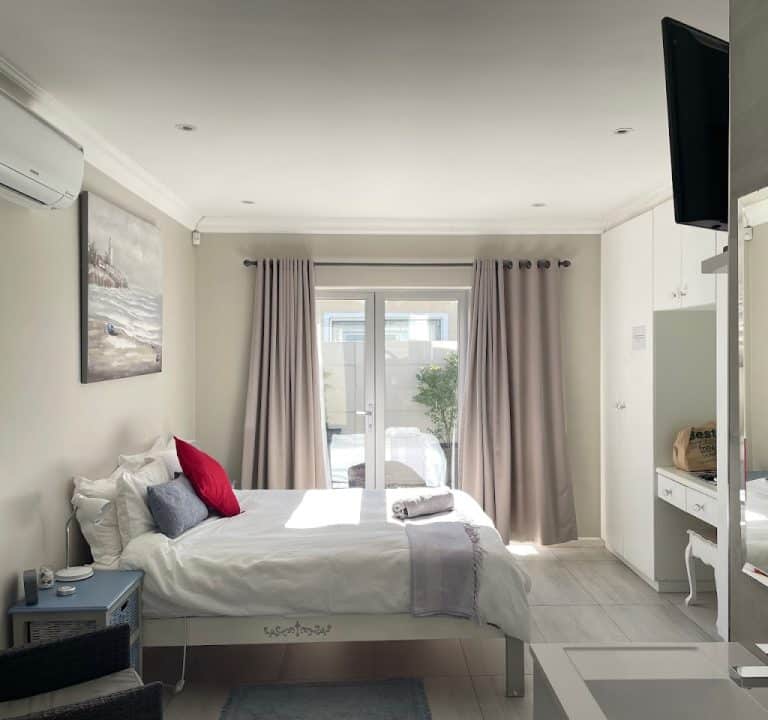
Accommodation types in Cape Town range from intimate B&Bs to stylish guesthouses and boutique hotels. A well-run B&B often combines comfortable rooms with a personalised touch—hosts may offer guided walks, tips on safaris or day trips, and hand-picked dining recommendations. Typical room layouts include private bathrooms, tasteful decor, and thoughtful amenities such as tea and coffee facilities, quality bedding, and a small work area for travellers who need to stay connected. In many cases, breakfast is a highlight, featuring fresh local produce and homemade touches that showcase Cape Town’s culinary influences.
When booking, consider what you value most: location, character, or a strong local network of suggestions. If you want a base with easy access to the waterfront, urban galleries, and markets, a property in the City Bowl or near the V&A Waterfront can be ideal. If you’re drawn to vineyard-led day trips, a guesthouse in Constantia or near the fusion of sea and hills may be more suited to your rhythm. Always check recent guest reviews for insights on consistency in service, cleanliness, and the responsiveness of hosts or managers. Look for properties with clear policies on cancellation, housekeeping, and safety measures, and confirm how breakfasts are served and whether dietary requirements can be accommodated.
Dining out in Cape Town ranges from bustling markets to refined restaurants that celebrate seafood, African flavours, and Mediterranean-inspired fare. In general terms, you’ll find a strong emphasis on seafood, fresh produce, and regional wines. Many guesthouses and small hotels offer curated recommendations or even set menus for guests, which can be a convenient way to sample the city’s diverse food scene. For visitors who enjoy a night out, waterfront venues, hillside eateries with panoramic views, and busy street-front cafés in historic districts are common, offering casual lunches and romantic dinners alike. It’s customary to book ahead for popular spots, particularly during peak tourist seasons.
Practical tips to make the most of your stay: arrive with a flexible plan but be prepared to adjust, carry a light jacket for coastal winds, and keep a lightweight umbrella or sunhat handy. Respect local customs and safety guidance, particularly in crowded areas or late at night. If you’re travelling with a camera or valuables, use in-room safes and secure storage, and discuss any security features your accommodation offers in advance. Finally, make the most of your hosts’ knowledge—they can tailor recommendations to your interests, whether you’re chasing walks along the coast, inland hikes, art and culture experiences, or day trips to winelands and nature reserves.
For additional inspiration and practical planning, consult official tourism resources and travel guides. Cape Town’s array of accommodation options, combined with its natural beauty and vibrant culture, makes it possible to craft a personalised itinerary that balances relaxation with exploration. Whether you choose to stay in Belvedere Close or another inviting base, your stay can become a gateway to the Western Cape’s rich experiences. Visit trusted travel sites or the city’s tourism pages for current suggestions, transport updates, and area highlights to tailor your trip.