Cape Town: Where to stay, what to see, and how to plan your visit
Cape Town offers a vibrant mix of urban sophistication and coastal scenery, making it a standout destination in the Western Cape. When planning a stay, it helps to think in terms of neighbourhoods, access to attractions, and the rhythm of daily life around your chosen base. From stylish city-centre hotels to relaxed guesthouses along the Atlantic seaboard or in leafy surrounds, there are options to suit most budgets and travel styles.
Areas to consider
- City Bowl and the central business district: Ideal for first-time visitors who want to be within walking distance of museums, restaurants, and galleries, with convenient access to MyCiTi buses and Uber/similar services.
- V&A Waterfront and the harbour: For a maritime atmosphere, easy sightseeing, and a concentration of hotel choices. It offers signature experiences and plenty of dining options within a compact, walkable area.
- Atlantic Seaboard (Camps Bay, Clifton, Sea Point): Picture-perfect coastal views, beach walks, and a more relaxed, resort-like vibe. Great for sun seekers and families who value scenery close to dining.
- Constantia and surrounding valleys: A quieter base for those who want vineyards, green hills, and a more suburban pace, with easy day trips to the Constantia Wine Route.
- Observatory and the Southern Suburbs: Quirky neighbourhoods with boutique stays, vintage cafés, and a youthful energy. Good for travellers seeking a less touristy feel while still accessible to major sights.
What to look for when booking
- Location relative to your planned activities: If you want iconic viewpoints and Table Mountain access, staying near the City Bowl or Tamboerskloof can cut transit time. If you prioritise beaches, consider the Atlantic Seaboard.
- Transport options: Check whether the property offers parking, or if it’s near reliable public transport or safe, short-hop rides to hilltop trails and harbour tours.
- Room format and comfort: Look for en-suite bathrooms, reliable air conditioning or heating, and adequate storage. In coastal areas, check for protective measures against sea spray and humidity.
- Breakfast and dining: Some stays include breakfast, which can simplify mornings during long days out. If you prefer dining in, ensure there are good options nearby or on-site facilities.
- Property character and guest experience: From modern urban hotels to characterful guesthouses and self-catering options, read reviews for consistency in cleanliness, service, and quiet hours.
- Accessibility and star rating: Decide how you want to balance convenience with price. Higher-rated properties often offer more thoughtful touches, while well-located budget options can be equally practical.
Typical amenities you might encounter
- Comfortable bedding and climate control to cope with Cape Town’s microclimates.
- Free or paid Wi‑Fi, on-site secure parking, and 24-hour reception or guest support.
- On-site or near-by eateries, pool or sun deck, and wellness spaces such as gyms or spa services (where offered).
- Concierge-style assistance for tours, transfers, and restaurant reservations.
- Practical extras like laundry facilities, coffee-making equipment, and well-equipped kitchens in self-catering options.
Planning your stay: practical tips
- Best time to visit: Cape Town has a Mediterranean climate with warm, dry summers and cooler, windy winters. The austral summer (roughly November to March) is popular for beaches and outdoor activities, while spring and autumn offer milder temperatures and quieter crowds. Winter can bring more rain and wind, but the scenery is dramatic and hotel rates may be more favourable.
- Getting around: The city’s geography means some sights are best reached by car or organised tours. The MyCiTi bus system covers many routes, including connections to V&A Waterfront and Table Mountain. Short journeys by ride-hailing apps are common and typically safe, particularly in well-travelled districts.
- Planning iconic experiences: A morning at a viewpoint or on the slopes of Table Mountain is often less crowded early in the day. Pair a city excursion with a coastal stroll or a winelands visit for a balanced itinerary.
- Safety considerations: As with any major city, take sensible precautions, especially after dark and in less busy areas. Keep valuables secure and use reputable transportation options.
- Dining and cuisine: Cape Town’s dining scene ranges from bustling mercados and casual eateries to refined restaurants emphasising fresh seafood, local produce, and global flavours. Reserve ahead for popular spots and be open to recommendations from your host or accommodation team.
- Practical packing: Layered clothing for rapidly changing coastal weather, sunscreen, a hat, comfortable walking shoes, and a light rain shell for potential showers are sensible inclusions.
Attractions and experiences in general terms
Cape Town’s natural beauty sits alongside a rich cultural calendar. Visitors typically explore signature landscapes such as sweeping coastlines, dramatic cliffs, and iconic viewpoints. Museums and galleries offer insights into local history, art, and maritime heritage. Food markets, cafés, and restaurants showcase a spectrum of flavours—from fresh seafood and farm-to-table produce to multicultural dishes influenced by the region’s diverse communities. For a flavour of local life, consider guided walks through historic suburbs, harbour-side promenades, and neighbourhoods that blend modern innovation with historical charm.
Accommodation example: Joshua House
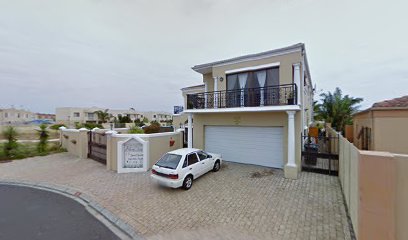
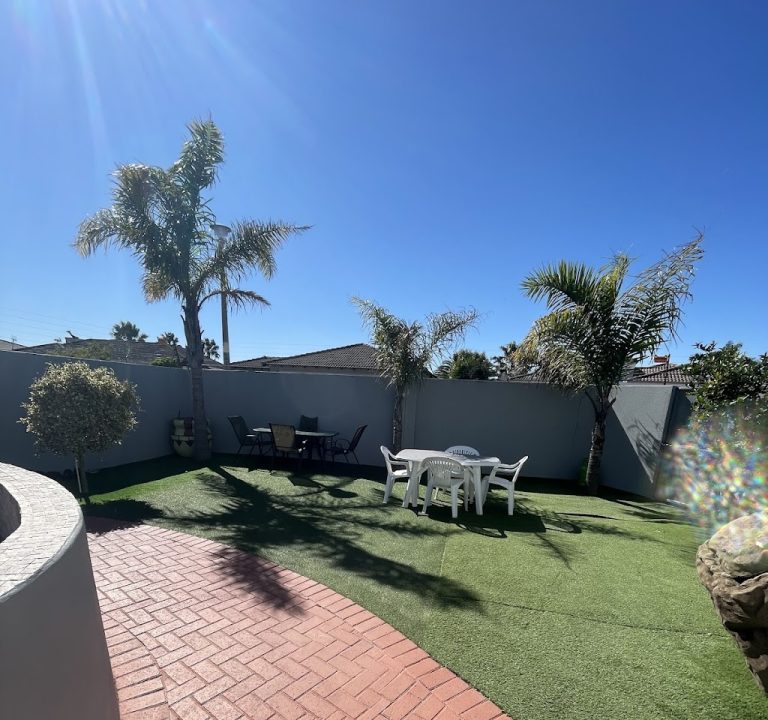
As a reference point, a well-situated hotel such as Joshua House could offer a blend of convenient access to central sights with a comfortable, guest-focused environment. When evaluating similar properties, weigh the consistency of service, convenience of amenities, and proximity to preferred experiences to inform your booking decisions. For further details and up-to-date information, consult the property’s official website or trusted booking platforms.