Cape Town: Accommodation, Attractions and Planning Your Stay
Cape Town offers a rich blend of dramatic landscapes, colourful neighbourhoods and a wide range of places to stay, from intimate guest houses to stylish lodges and self‑catering apartments. When planning a visit, think about your interests, the pace you want, and how you’ll move around the city. A well‑chosen base makes it easier to explore the surrounding coast, winelands and cultural hotspots without long daily commutes.
Areas to consider for accommodation include the central City Bowl, where easy access to museums, theatres and bustling markets is matched by a walkable dining and nightlife scene. The V&A Waterfront and the central city offer modern hotels and guest houses with views of the harbour or Table Mountain, while the Atlantic Seaboard (including Camps Bay and Clifton) provides glamour, beaches and sunset appeal. For a quieter stay, look to Stellenbosch, Constantia and the Southern Suburbs, which are convenient for day trips to the winelands and garden routes. If you prefer closer proximity to nature and coastal hikes, the Atlantic Seaboard or Cape Peninsula towns such as Hout Bay or Muizenberg may suit you, often with more space and a relaxed pace.
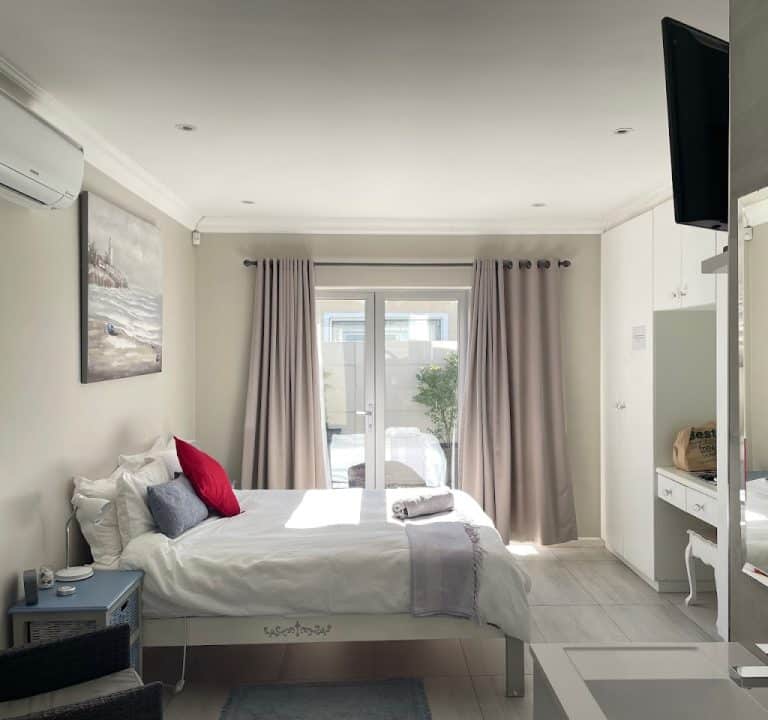
When booking, consider the following practical factors to ensure a comfortable stay. Proximity to MyCiTi bus routes or major roads can save time if you’re relying on public transport or a hire car. Check access to safe parking if you’re driving. In some areas, late‑night street life can be lively; if quiet evenings are important, choose a property in a residential part of town or a hillier neighbourhood with sound insulation. Review the property’s layout, including stairs, access for travellers with luggage, and whether a partial kitchenette or en‑suite bathroom is essential for your plans.
Typical amenities that can enhance a stay include reliable Wi‑Fi, a good breakfast option, and flexible check‑in procedures. Many guest houses and lodges in Cape Town offer complimentary tea and coffee making facilities, daily housekeeping, and tour or shuttle services. For families or groups, look for multi‑bedroom suites or apartment-style units with a living area and a small kitchen. If you’re travelling with colleagues or friends and splitting costs, confirm whether the rate is per room or for the whole unit and whether breakfast is included, as this can affect overall budgeting.
Transport in Cape Town is a mix of self‑drive, ride‑hailing, and organised tours. A rental car gives the greatest flexibility for exploring the Cape Peninsula, the Constantia Wine Route, and scenic coastal towns. Public transport, including the MyCiTi network, is a dependable option for short hops and city visibility, but it may require a bit more planning for weekend routes. If you plan to spend long days visiting inland attractions or venturing to the Cape Winelands, a guided day tour or private driver can simplify logistics and provide local insights. Most properties can arrange airport transfers or local shuttle services at an additional cost.
The best time to visit Cape Town depends on your priorities. The summer months (roughly November to February) deliver longer daylight hours, warm sea temperatures, and lively outdoor scenes. Winter (June to August) brings cooler, wetter weather but can still be pleasant, with fewer crowds and splendid mountain vistas after a shower. Spring and autumn offer a mild balance of comfortable temperatures and lighter visitor levels. If your plans include hiking or coastal activities, pack layers, a waterproof jacket, sun protection, and sturdy footwear, as the weather can shift quickly in the city’s microclimates.
Key attractions span natural wonders, history, food and craft. Iconic experiences include a trip up Table Mountain or the cable car from which to take in sweeping city and ocean views; scenic drives along the Atlantic coastline; penguin colonies and seal sightings along the False Bay coast; and the winelands within a short drive for tastings and cellar door experiences. Urban highlights include neighbourhood markets, museums and cultural centres that illuminate Cape Town’s diverse heritage. For food lovers, Cape Town’s dining scene ranges from casual bistros to stylish fine dining, with many venues highlighting seasonal produce, seafood and flavours from across the country. It’s wise to plan a day around a specific neighbourhood to minimise transit time and to soak up the local atmosphere, whether you’re after a leisurely brunch, an evening seafood spread or a casual coffee stop with a view.
- Consider staying near the City Bowl for easy access to museums, galleries and markets.
- Choose an Atlantic Seaboard base if you prioritise beach time and sunset views.
- Opt for Constantia or the Southern Suburbs for serene mornings, gardens and wine estates.
- Plan a mix of self‑catering and breakfast‑included stays to balance flexibility and convenience.
For practical planning, keep a flexible itinerary that allows for weather and harbour reflections. Many visitors combine a couple of nights in the inner city with a few days in the wine lands or coastal towns to balance cosmopolitan energy with outdoor adventures. When booking, read recent guest reviews to gauge the comfort level, noise, and responsiveness of hosts or staff, and confirm cancellation policies in advance. A well‑chosen base in Cape Town can be a gateway to unforgettable experiences, from scenic hikes and coastal drives to market days and memorable meals, all within reach of a well‑connected transport network and a warm South African welcome. For further inspiration, you might explore the official tourism site for Cape Town and related travel guides to tailor a stay that matches your pace and interests.