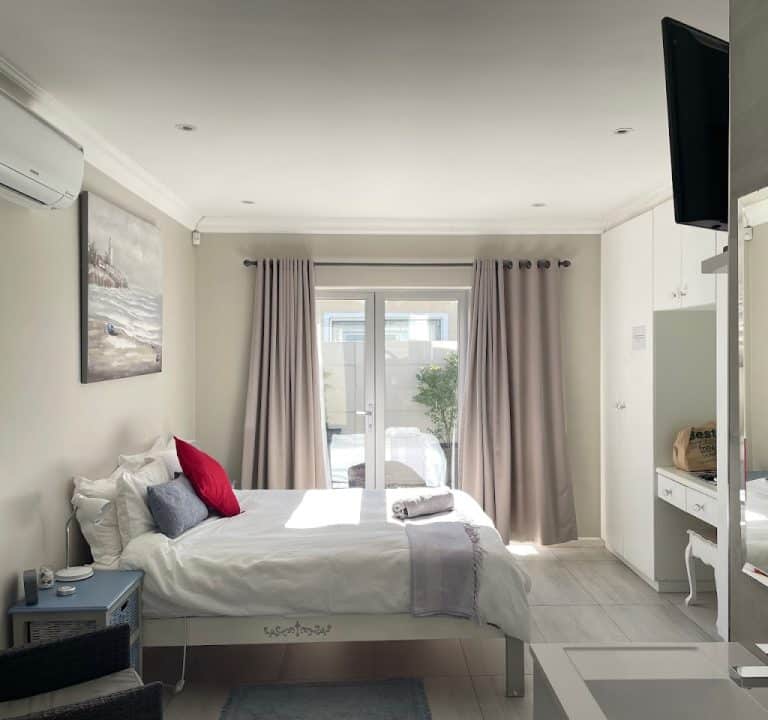
Exploring Cape Town: Where to stay, what to expect, and how to make the most of your visit
Cape Town blends striking natural scenery with a vibrant city life, making it a favourite destination for travellers seeking a mix of outdoors, culture and fine dining. Whether you’re after a boutique guest house in a leafy suburb, a modern apartment near the V&A Waterfront, or a secluded coastal lodge with panoramic views, the city offers accommodation to suit every style and budget. Planning ahead can help you balance comfort with convenience, ensuring you maximise your time in this exceptional corner of the Western Cape.
Areas to consider when booking include the following. The waterfront and central city core put you within easy reach of museums, markets, and excellent dining, with convenient access to ferries and hop‑on hop‑off tours. The Atlantic Seaboard, including areas such as Camps Bay, Clifton and Sea Point, is famed for its beaches, scenically dramatic promenades and stylish eateries, though prices can be higher and traffic more frequent during peak season. Green Point and De Waterkant offer a lively mixed‑use atmosphere with good access to public transport and attractions. Constantia is perfect for those seeking a more relaxed, wine‑country feel, with country houses and guest rooms set among vineyards. For families or those wanting a quieter stay, the southern suburbs around Muizenberg or Kalk Bay combine seaside charm with easy road connections to Table Mountain and the beaches of the False Bay coast.
When choosing accommodation, think about what matters most for your plans. If you’ll spend long days touring the city and surrounding areas, proximity to a reliable transport hub, or a reputable shuttle or taxi option, can be more valuable than absolute seafront location. For a romantic break or a boutique experience, look for characterful properties with thoughtful décor, en‑suite bathrooms, and thoughtful extras such as a courtyard, a pool, or breakfast that showcases local produce. If you’re travelling with family or a group, check for family rooms, extra blankets, child‑friendly facilities, and shared spaces such as communal lounges or kitchens. Always verify the cancellation policy and what it covers, particularly if your dates are flexible or subject to change.
Typical amenities you might expect include free Wi‑Fi, a private or shared lounge, a well‑equipped kitchen or kitchenette, on‑site parking or easy access to public transport, and guest services such as concierge tips, guided walks, or bicycle rental. Some properties offer breakfast included, while others provide self‑c catering options, which can give you flexibility to explore local cafés and markets. If you have special requirements—such as accessibility needs, dietary restrictions, or work spaces—contact the host in advance to confirm suitability. A clean, well‑maintained space with clear house rules and a responsive host makes a significant difference to the overall experience.
Transport in Cape Town is straightforward but demands planning, particularly during peak travel periods. Many guests rely on a combination of MyCiTi buses, Uber/Lyft equivalents, and rental cars. If you plan to explore the peninsula, including the iconic Cape Point route or the Cape Winelands, a car can be convenient, though some travellers opt for guided day tours that handle transport and logistics. Within the city, staying within walking distance of attractions or near a reliable bus route can save time and reduce stress. It’s wise to ask hosts for current tips on safe, well‑used routes and any areas to avoid after dark.
The best time to visit Cape Town depends on your priorities. Spring and autumn bring mild weather and fewer crowds, making it ideal for outdoor activities and easy cruising routes up Table Mountain by cable car or via scenic hiking trails. Summer (December to February) offers longer days, warmer seas for coastal strolls, and a lively seaside atmosphere, but expect more visitors and higher prices. Winter brings cooler, wetter weather, but the city’s indoor attractions, markets, and excellent restaurant scene remain appealing. For wine lovers, the neighbouring Constantia Valley and surrounding wine routes are enjoyable year‑round, with harvest periods adding extra vibrancy to the landscape.
Practical tips to enhance your stay: arrange reef‑safe sunscreen and protective clothing for outdoor days, because Cape Town’s sun can be strong even when the breeze is cool. Bring a travel adaptor if your devices require specific plugs, and have a lightweight rain jacket or shawl handy in case of sudden showers. Plan some buffer time for travel between distant neighbourhoods and popular viewpoints, which can be affected by traffic or road closures. Respect local etiquette and consider supporting smaller, community‑run guest houses and family‑owned eateries to experience authentic hospitality and regional cuisine.
Top experiences and area highlights—without naming specific venues—include exploring the city’s historic landmarks and vibrant markets, taking a scenic drive along a celebrated coastal route, visiting museums and art galleries that showcase South African creativity, and enjoying casual dining that ranges from modern bistros to seaside seafood shacks. Several guest houses and boutique hotels pair comfortable rooms with personalised service, often providing insider tips on lesser‑known viewpoints, markets, and day‑trips. For a well‑rounded stay, combine a few nights in a convenient urban hub with a couple of nights in a quieter suburban or coastal setting to balance exploration with relaxation.
- Recommendation to book accommodation with flexible cancellation terms and clear house rules.
- Consider a mix of self‑catering and breakfast‑included options to tailor mornings to your schedule.
- Look for properties with easy access to public transport, or with parking if you plan to hire a car.