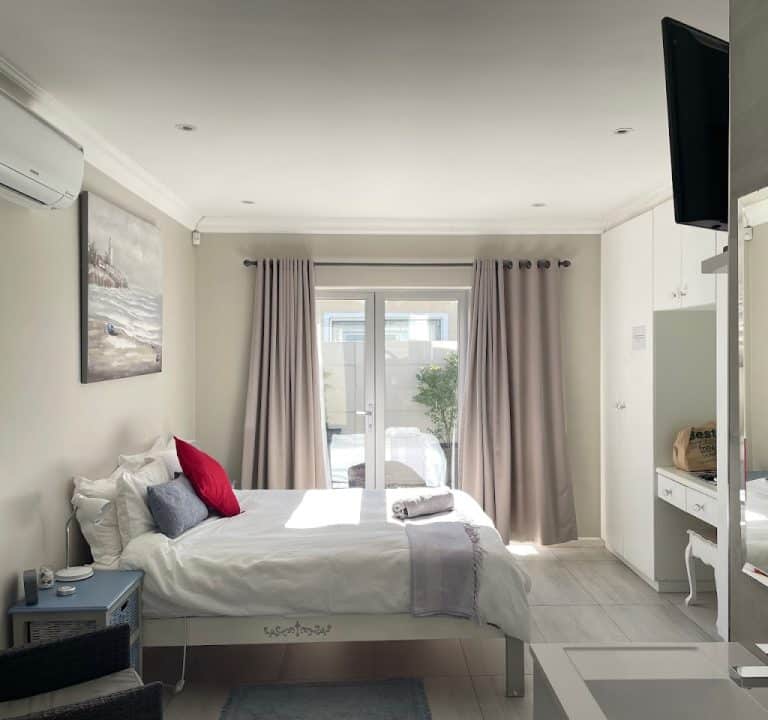
Accommodation and Experiences in Cape Town: Where to Stay and What to Do
Cape Town offers a diverse range of places to stay, from boutique guest houses and coastal lodges to modern hotels and self‑catering apartments. Planning a stay here means balancing the rhythm of the city with access to its beaches, mountains and neighbourhoods. Whether you seek a lively waterfront vibe, a leafy retreat high up on the hills, or a quiet rural edge with ocean views, there are options to suit most tastes and budgets. A good starting point is to align your choice with the areas you want to explore and the pace you prefer for your days in the Western Cape’s capital. For example, a guest house such as Blaauwberg Guesthouse (if you find this accommodation listed) could offer a relaxed base near the Atlantic coast and convenient access to desired day trips, while still keeping you close to central sights.
When choosing where to stay, consider the following areas and what they offer:
- V&A Waterfront and the central stretch: easy access to dining, harbour views, and tours, with a lively atmosphere and plenty of short walks.
- City Bowl and the central city: ideal for visitors who want walkable access to museums, theatres and a wide range of eateries, with many guest houses and boutique hotels tucked into historic streets.
- Green Point and Sea Point: popular for beachfront walks, cafés and a more relaxed nightlife, while still being close to the CBD and the Atlantic seaboard.
- Constantia and the Southern Suburbs: perfect for wine lovers, with country inns and guest houses surrounded by verdant hills and renowned wine estates.
- Table Mountain foothills and the Atlantic Seaboard further north: offers hillside retreats with spectacular views and easy access to scenic routes and nature reserves.
What to look for when booking a stay includes clean, well‑maintained rooms, reliable Wi‑Fi, good security, and clear information about check‑in procedures. If you’re travelling with family or a group, check family rooms or apartment configurations, as well as parking options. For travellers seeking a quiet retreat, seek out rooms with soundproofing and private outdoor space. For those who want the ability to cook some meals, a well‑equipped kitchenette is a real plus. Many guest houses and boutique hotels in Cape Town position themselves as friendly, personalised options, with hosts who can share local tips and tailor recommendations to your itinerary.
Typical amenities you might encounter include breakfast options (from continental to full cooked ranges), daily housekeeping, on‑site parking (often at an additional cost), and easy access to public transport or rideshare services. Some properties offer outdoor pools, terraces or braai areas for sunset meals, while others might provide bicycles for exploring quiet lanes or coastal paths. If you’re visiting in peak season, ask about late check‑in arrangements and whether the property can assist with airport transfers or day trips to the winelands, the Cape Peninsula, or the Cape of Good Hope route.
Transport in Cape Town is straightforward but can be unpredictable during busy periods. Renting a car provides the most flexibility to explore beyond the city and to reach winelands or coastal towns at your own pace. If you prefer not to drive, many guest houses are well situated for Uber or local taxi services, and some areas are reachable by MyCiTi buses or MyCiti taxis on dedicated routes. When planning day trips, balance driving times with time spent at each destination to avoid long, tiring days. A practical tip is to arrange a flexible itinerary that allows a slower experience in one area, followed by a day focused on another neighbourhood or coastal route.
The best time to visit Cape Town generally runs from late spring to autumn (October to April) when the weather is mild and sunny, perfect for outdoor activities and coastal exploration. Winter months (May to September) bring cooler, wetter weather but can offer dramatic scenery, lower accommodation prices, and fewer crowds. If you are keen on hiking or wildlife experiences, early mornings and late afternoons around Table Mountain or the Cape Peninsula are ideal, while a blue‑sky summer day makes beach strolls and harbour cruises particularly enjoyable.
When it comes to attractions and dining, Cape Town presents a broad spectrum without needing to commit to a single plan. In addition to iconic landscapes and viewpoints, you’ll find markets, art galleries, coastal walks, and scenic drives that showcase the city’s character. Dining ranges from casual seaside eateries serving fresh seafood to contemporary bistros and internationally influenced cuisine, with most venues offering menu choices that change with the seasons. Rather than focusing on individual names or prices, look for places that emphasise fresh ingredients, local wines, and a neighbourhood ambience that suits your itinerary. Many areas provide easy access to guided tours or self‑guided routes that connect beaches, viewpoints, and historic sites with convenient rest stops for coffee and light meals.
Practical tips for a smooth stay include booking ahead for popular periods, especially over school holidays and long weekends. Confirm the check‑in and check‑out times, parking arrangements, and whether breakfast is included or available as an add‑on. Bring a light layer for the evenings, as coastal winds can be cooler than daytime temperatures. For travellers mindful of safety, choose well‑reviewed properties in well‑lit neighbourhoods, and make use of secure luggage storage options if you arrive before check‑in or need to depart after check‑out. Finally, keep a flexible approach to experiences; Cape Town’s best adventures often come from serendipitous discoveries—a waterfront stroll at dusk, a short detour to a viewpoint, or a friendly chat with a local host who can point you to hidden gems beyond the well‑trodden routes.
For more information on Cape Town and its neighbourhoods, current travel advice and inspiration, you can explore official visitor resources at Capetown tourism sites. A good starting point is to browse general guidance and suggested itineraries to tailor your stay to your interests and travel style. Whether you are drawn to winelands, pristine beaches, dramatic coastal cliffs, or vibrant urban culture, Cape Town offers a welcoming base from which to explore the Western Cape at your own pace.