Accommodation and Experiences in Cape Town: Where to Stay and What to Do
Cape Town, set between dramatic mountain scenery and the Atlantic coastline, offers a wide range of places to stay and a tapestry of experiences that suit every type of traveller. From intimate guest houses to stylish boutique hotels, the city presents options that can match different budgets and itineraries while still placing you close to the action or tucked away in tranquil neighbourhoods. When planning a stay, it helps to think about what you want from your base as much as what you want to do during your days.
For accommodation, consider the area that best aligns with your plans. The City Bowl and the Central Business District put you right in the centre of museums, markets, nightlife, and easy access to major sights. Green Point and Sea Point offer a coastal vibe with walkable promenade routes and convenient connections to the Atlantic beaches. Camps Bay and Clifton are renowned for their scenic beaches and high-end lodgings, perfect for a more resort-like feel. If you prefer greenery and wine country, Constantia and the Southern Suburbs provide leafy streets, historic estates and easy access to some renowned wine estates. If you’re seeking a family-friendly or quieter base near the hills, look for guest houses or boutique hotels in neighbourhoods such as Oranjezicht or the Atlantic Seaboard hinterland.
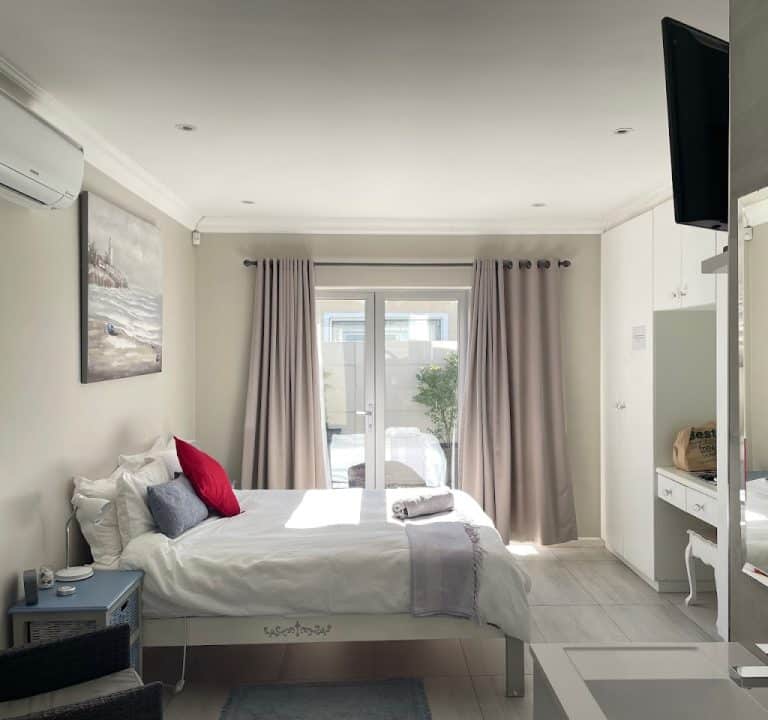
When booking, look for certain amenities and features that matter in Cape Town’s climate and layout. A guest house or boutique hotel with good air conditioning or effective heating, reliable free Wi‑Fi, and a well‑appointed kitchenette or breakfast service can make a big difference. On-site parking or easy access to safe, reliable transport is important in some areas, while others are best explored on foot or by ride‑hailing services. A guest house like Serenity House, for example, would typically offer a homely environment with guest‑room ensuite facilities, shared lounges, and thoughtful touches that help guests feel at home after a day of sightseeing.
Practical planning tips help you make the most of your stay. A typical day might combine a morning ascent to a lookout or market visit, followed by a coastline stroll or a cultural excursion, with a mid‑day meal and a late afternoon unwind. Check whether your accommodation offers breakfast or has a nearby café scene that aligns with your pace. Consider arranging a few experiences in advance, such as a neighbourhood walk, a wine‑region excursion, or a guided mountain trail, to ensure you don’t miss iconic viewpoints or sunset moments over the city’s harbour and beaches.
Transport is straightforward but worth a little forethought. The city is well served by Uber, Bolt and other ride‑hailing options, which is convenient for evenings out or trips to beaches that may have limited public transport. If you plan to explore beyond central Cape Town, a rental car can provide flexibility, especially for day trips to the Cape Winelands or Cape Point. Many guest houses and hotels can arrange transfers or offer recommendations for reputable local operators. For shorter hops, walking is rewarding in areas such as the Victoria & Alfred Waterfront precinct, the historic Bo-Kaap streets, or the gardens of the Company’s Garden in central Cape Town.
Seasonality affects both weather and crowds. The best time to visit Cape Town is generally from late spring to early autumn (October to April), when the days are longer and mild, though peak seasons can bring busier streets and higher prices. Winter, from May to August, is cooler and more variable but can be a good time to enjoy the city’s museums, cafés, and wine estates with quieter streets and lower rates. Pack layers, a light raincoat, and sun protection for outdoor days, even in cooler months, as Cape Town’s coastal climate can shift quickly.
Experiences and dining form a key part of any stay. In general terms, you can expect a blend of seafood-forward menus, modern South African fare, and restaurants that showcase local produce. Dining near the city’s harbour areas often offers picturesque views and a relaxed vibe, while higher‑end venues in coastal suburbs may provide sophisticated settings with a focus on seasonal ingredients. In addition to meals, consider markets, coffee roasters, and craft retailers that reflect Cape Town’s multicultural energy. For cultural enrichment, aim to visit galleries, performative arts venues, and historic precincts, which together paint a fuller picture of the city’s heritage and contemporary creativity.
To help you plan, here is a quick checklist:
- Decide on the area based on your planned activities and preferred pace (central city, coastal, or wine country).
- Confirm amenities such as breakfast, parking, and Wi‑Fi before booking.
- Assess transport options and proximity to Uber/ride‑hailing or rental car services.
- Check seasonal pricing and cancellation policies to maximise flexibility.
- Plan a mix of experiences: a half‑day of sightseeing, a day in nature, and a relaxed evening at a local eatery.
Cape Town offers a welcoming mix of accommodation styles and experiences that can suit travellers seeking a home‑away‑from‑home atmosphere or a more polished hotel stay. By choosing a neighbourhood that aligns with your plans, understanding typical amenities, and allowing for a well‑paced itinerary, you can enjoy a rewarding visit with easy access to the city’s natural beauty, iconic viewpoints, and diverse culinary scene. For further inspiration and practical tips, you can explore Cape Town Tourism’s resources and browse accommodation options to match your preferences.