Cape Town: Accommodation and Experiences for a Memorable Stay
Cape Town blends spectacular scenery with a vibrant mix of neighbourhoods, making it a versatile base for travellers. When planning a stay, think about what you want from your trip: coastal breezes and dramatic views, urban culture, or wine-country tranquillity just beyond the city limits. In this article, you’ll find guidance on where to stay, what to look for when booking, typical amenities, transport options, the best time to visit, and practical tips to make the most of your visit.
Choosing where to stay
Consider the character and convenience of different areas:
- Atlantic Seaboard: coastal viewpoints, stylish hotels and guesthouses, easy access to beaches and sunset scenery.
- City Bowl and the Central Business District: convenient to museums, markets, restaurants, and public transport for day trips.
- Bo-Kaap and the surrounding neighbourhoods: a historic vibe, with easy access to daytime sights and distinctive architecture.
- Constantia and the southern suburbs: quiet streets, leafy wine routes, and upscale inns or boutique hotels.
- Space for families or extended stays: self-catering apartments and guesthouses in suburban areas with parking and larger living spaces.
What to look for when booking
- Authenticity and character: boutique hotels and guesthouses often offer personalised service, local knowledge, and a sense of place.
- Room layout and amenities: en-suite bathrooms, a comfortable workspace, good lighting, reliable Wi-Fi, air conditioning or heating, and secure parking if you’re driving.
- Public transport access: proximity to MyCiTi buses or rail links makes exploring easier without relying solely on taxis.
- Safety and access: well-lit entrances, staff on duty, and clear security measures provide peace of mind.
- Breakfast options: a hearty continental or full breakfast can set you up for long days of sightseeing.
- Flexibility: clear cancellation policies and the option for late check-in can be particularly helpful when travel plans shift.
Typical amenities you may encounter
- Rooms with private bathrooms, towels, and quality linens.
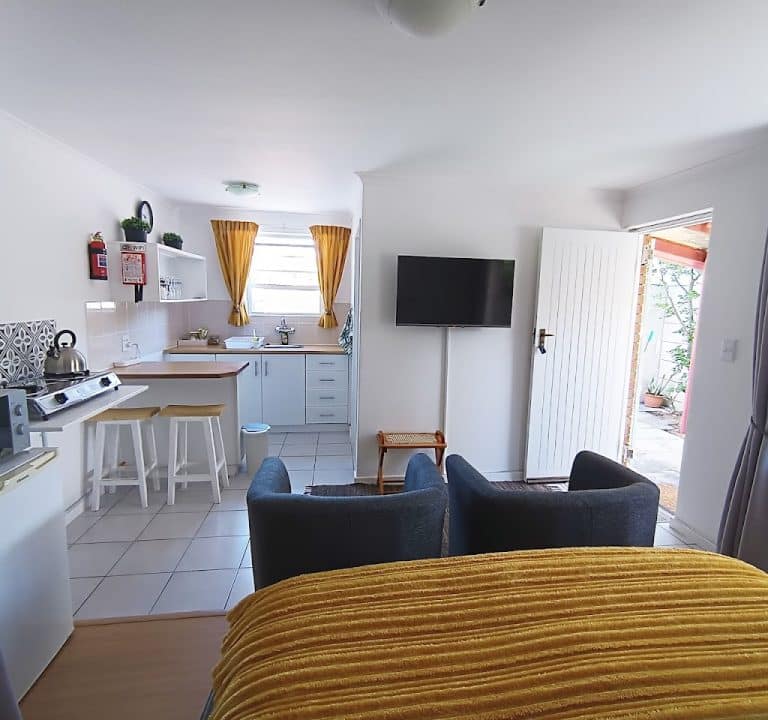
- Tea- and coffee-making facilities, and sometimes a kitchenette for light meals.
- Communal lounges or balconies to unwind after a day of exploring.
- Outdoor spaces such as courtyards, verandas or plunge pools in warmer months.
- In-house dining options or a nearby selection of restaurants and cafés.
- Concierge-style tips for local routes, safety reminders, and recommendations for day trips.
Transport and getting around
Cape Town’s landscape means planning a little ahead can save time. If you’re staying near the city centre, you’ll likely walk or use rideshare to reach most sights and dining options. For coastal areas or day trips to the Cape Peninsula, considerrenting a car or booking guided tours. Some accommodation providers can assist with airport transfers or shuttle services, but it’s worth confirming in advance. If you plan to visit wine farms, a guided day trip or a designated driver can enhance safety and enjoyment.
Best time to visit
Cape Town is at its most dramatic in late spring and summer (roughly September to March), when the weather is generally warm and dry, and coastal days are long. Winter (June to August) brings cooler winds and a higher chance of rain, which can be perfect for lush scenery and fewer crowds. Shoulder seasons offer a balance of comfortable temperatures and reasonable rates. Pack layers for sudden changes in weather, especially if you plan outdoor activities such as hiking or sailing.
What to do: attractions and experiences in general terms
- Natural beauty: take a cable car or other vantage points to enjoy panoramic views of the city and coastline. Outdoor enthusiasts can hike surrounding hills or head to beaches for scenic strolls.
- The cultural edge: explore markets, galleries, and historic districts to learn about the city’s diverse communities and legacies.
- Family-friendly outings: waterfront promenades, interactive museums, and safe parks can provide relaxed days suitable for all ages.
- Food and drink: South African cuisine offers a mix of flavours; many areas host markets, casual eateries, and brasseries that showcase local produce and seafood.
- Day trips: consider excursions to neighbouring coastal towns, peninsula routes, or wine regions for scenic drives and tastings.
Booking tips and practicalities
- Read guest reviews to gauge reliability, cleanliness, and the attentiveness of staff.
- Check the cancellation policy, particularly in uncertain travel periods or for longer stays.
- Confirm whether the price includes breakfast or parking, and whether there are any additional taxes or service charges.
- If staying in peak season, book well in advance to secure preferred areas and room types.
- Look for properties with flexible check-in or self-check-in options if your arrival time is uncertain.
- Confirm accessibility features if needed, and whether luggage storage is available after check-out.
Oh so Cosy as a reference point
For travellers seeking a comfortable anchor in the city, boutique hotels and well-appointed guesthouses offer a balance of personalised service and location advantages. The choice of area should align with your planned activities—whether you want immediate coastal access, a hub of restaurants and culture, or a tranquil base for quieter day trips. With thoughtful planning, Cape Town can be your gateway to a memorable stay, a blend of natural beauty, culinary delights, and engaging experiences that suit a range of budgets and tastes. For further information and inspiration, you can explore official tourism resources and hotel websites that provide current room options and itineraries.