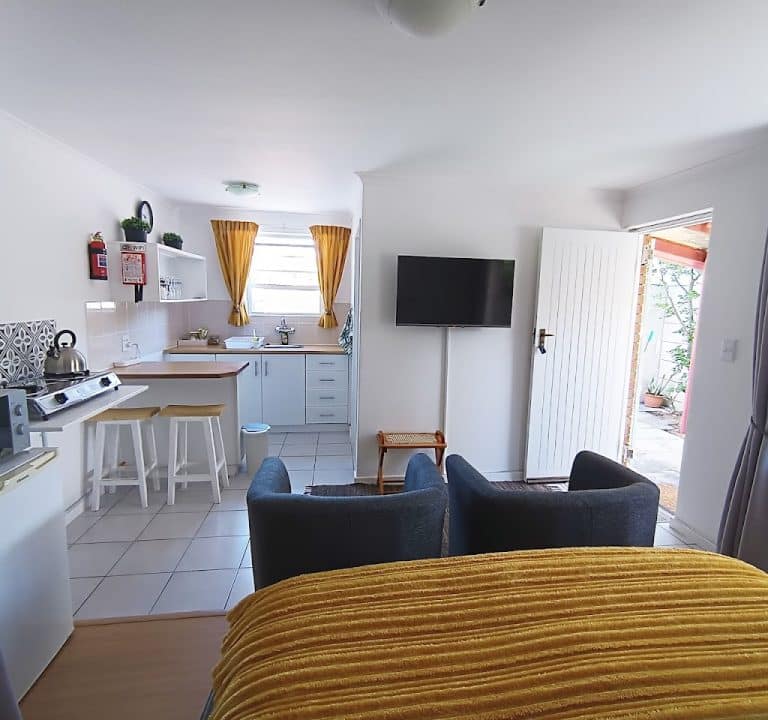
NoulAnouk’s Corner Self Catering is a Guest house establishment in Cape Town, Western Cape, South Africa
About NoulAnouk’s Corner Self Catering
NoulAnouk’s Corner Self Catering is presented as a self‑catering option located in Cape Town, in the Western Cape of South Africa. The Booking.com listing page referenced for this property currently appears to be unavailable, with a page error that prevents access to detailed specifics from that source.
As an independent stay with a focus on self‑catering, the accommodation is described in general terms as offering guests the freedom to prepare meals and manage their own schedules. The exact configurations, such as the number of units, bedroom layouts, and on‑site facilities, are not clearly stated on the available page, so potential guests should consult the official site link provided by the listing for the most up‑to‑date information.
From a traveller’s perspective, self‑catering stays in Cape Town often appeal to those seeking convenient, budget‑friendly options with greater kitchen and preparation flexibility. NoulAnouk’s Corner Corner Self Catering fits into this category by emphasising independence and the comforts of home‑style living during a stay in one of South Africa’s most vibrant cities.
The surrounding area, local transport links, and nearby attractions are not explicitly detailed on the current page. Readers seeking ideas for exploring Cape Town can consider familiar highlights and well‑established experiences, while keeping in mind that specific proximity to landmarks or attractions is not listed on the provided source. The property’s official site may offer more precise guidance on neighbourhoods, walking routes, and convenient access points.
Who this stay tends to suit best can be inferred from its self‑catering nature: travellers and families who prefer the option to self‑plan meals, those seeking longer‑stays with a home‑like feel, or visitors looking for a practical base from which to explore the Cape Town area. Because the page does not disclose explicit room types or facilities, guests are advised to review official communications or contact the property directly through the provided website link for definitive details before booking.
Booking and travel tips:
- Check the official property website for the most current room configurations, kitchen facilities, and any on‑site amenities.
- Review cancellation policies and check‑in procedures directly with the property to ensure a smooth arrival.
- Plan in advance for local transportation needs and surrounding market or dining options since precise locality details are not specified on the page.
- When in doubt, compare with other self‑catering options in Cape Town to gauge value, space, and convenience relative to personal travel plans.
Cape Town
Western Cape
7441
South Africa


Cape Town: A Practical Guide to Accommodation and Local Experiences
Cape Town, perched between dramatic mountain scenery and the Atlantic Ocean, offers a wide range of accommodation to suit every traveller. From characterful guest houses in leafy neighbourhoods to modern boutique hotels near the harbour, planning your stay around the city’s diverse districts can help you maximise your time and value. When searching for a place to stay, look for options that clearly state the neighbourhood, easy access to transport, and a flexible cancellation policy. If you’re seeking a self-contained base, consider well located self catering properties that offer kitchen facilities, secure parking where needed, and generous living spaces for a comfortable stay.
One option to consider is a guest house or self catering property that emphasises a home-from-home feel. These typically provide conjoined living spaces, reliable housekeeping, and guest information tailored for visitors. For example, a property that presents itself as a corner self catering retreat can offer a practical base for day trips and leisure time in the evenings. When booking, check what is included in the rate—daily cleaning, kitchenette or full kitchen access, and fresh towels—and confirm any dietary facilities if you plan to cook your own meals during your stay. Website pages or booking platforms often describe the layout and amenities in detail, which helps you compare stays side by side.
Areas to consider include the city bowl for easy access to views and museums, the Atlantic Seaboard for coastal walks and trendy dining, and the green outskirts of Constantia or Rondebosch for a quieter, leafy ambience. The correct choice depends on what you value—whether it’s proximity to iconic viewpoints, a bustling nightlife scene, or a peaceful pocket away from the tourist crowds. If you aren’t sure, think through your daily plan: do you want to be within walking distance of major attractions, or would you prefer short drives or reliable public transport links?
Typical amenities to look for include secure parking if you’re renting a car, free Wi-Fi, laundry facilities, and clear information about local transport options. Many properties in Cape Town provide tips on getting around, including details on MyCiTi bus routes, Uber or local taxi services, and nearby train stations. For longer stays or families, a living room or separate bedrooms can make a big difference to comfort and privacy. If you’re visiting during the cooler, wetter months, a property with good heating or a fireplace can be particularly welcoming.
Transport in Cape Town is generally straightforward but can vary by neighbourhood. The MyCiTi bus network covers major routes and is a convenient way to reach Table Mountain, the V&A Waterfront, and the city centre. If you plan day trips to the Cape Peninsula, a car offers the most flexibility, though organised tours and shuttles can also be a practical option. For guests staying in hillside zones, ensure your accommodation has easy access in and out of the area, especially if you’re driving or reliant on taxis after dark. In terms of timing, the city’s peak visitor months are during the southern hemisphere summer, so booking ahead is wise if you’re travelling in December to February or during long weekends.
The best time to visit Cape Town depends on what you want from your trip. Summer (December to February) brings longer days, warm seas, and lively outdoor events, while spring (September to November) and autumn (March to May) offer milder weather and fewer crowds. Winter (June to August) tends to be cooler and windier but can be excellent for indoor experiences, including museums, galleries, and stylish eateries. If you’re keen on outdoor activities like hiking or coastal walks, choose a window with clear, dry days. Always pack layers, a light rain jacket, and sun protection, as conditions can change quickly in the region’s coastal climate.
Attractions and experiences in general terms include scenic viewpoints, heritage sites, botanical gardens, and a coastline suited to walks and waterside meals. The surrounding nature reserves and Table Mountain National Park are iconic, offering cable car trips, scenic trails, and viewpoints that reward effort with sweeping panoramas. Cultural experiences include museum exhibitions, historic sites, art galleries, and neighbourhood markets where you can taste local flavours and meet residents. For dining, Cape Town’s restaurant scene ranges from casual coastal spots to refined establishments; reservations are advisable for popular venues, especially in peak periods. When planning meals out, you’ll find a mix of seafood, modern fusion cuisine, and traditional South African dishes, often paired with regional wines from nearby Constantia and Stellenbosch.
- Practical planning tips: book early in high season, read guest reviews for real insights, and verify cancellation terms before confirming.
- Money matters: bring some local currency for markets and small vendors, while many places also accept cards.
- Safety tips: keep valuables secure, use reputable transport, and stay aware of your surroundings, particularly after dark.
If you’re seeking a base that combines self catering convenience with guest house hospitality, a property such as NoulAnouk’s Corner Self Catering can offer a compact yet comfortable option for travellers who value independence with a friendly, local touch. For further details, you can visit the booking page of such properties to review current availability and facilities: https://www.booking.com/Pulse-kJt5Z2. When you choose your stay, complement it with a mix of day trips, meals out, and leisurely evenings to make the most of Cape Town’s exceptional scenery and warm hospitality.
Sorry, no records were found. Please adjust your search criteria and try again.
Sorry, unable to load the Maps API.
Why Claim Your Listing?
Claiming your listing on the B&B Finder directory website is a valuable opportunity for business owners. Here are five reasons why you should consider claiming your listings:
Control Over Business Information: By claiming their listing, business owners can ensure that all the information presented is accurate and up-to-date. This includes details such as contact information, address, pricing, and available services or amenities. Accurate information helps prevent customer confusion and improves overall satisfaction.
Enhance the Listing: Once a listing is claimed, owners can enhance it by adding more comprehensive information and rich media, like high-quality photos and videos. These additions can make the listing more attractive and engaging to potential customers, thereby increasing the likelihood of bookings.
Marketing Opportunities: Claiming a listing can also open up additional marketing opportunities. Owners may be able to participate in promotional campaigns, special offers, and other marketing activities organized by the directory. This can increase visibility and attract more customers to the business.