Johannesburg: Accommodation and Experiences in Gauteng
Johannesburg, often simply called Jo’burg or Jozi, offers a lively mix of modern hotels, boutique guesthouses and self‑catering stays that suit a range of budgets. When planning a visit, think about what you want most from your trip—quiet mornings and easy access to business districts, or a neighbourhood with a buzzy nightlife and street‑level culture. The city is well connected by major roads and public transport routes, but picking a base that reduces travel time can make your stay much more enjoyable.
For many travellers, central or northern suburbs provide convenient access to business districts, cultural attractions and a growing dining scene. Sandton is famed for its upscale hotels, comprehensive shopping centres and modern conference facilities. Rosebank offers a walkable, cosmopolitan feel with markets, galleries and easy access to the Gautrain for trips to the airport or into the city centre. Braamfontein and Maboneng are popular with visitors seeking a more arty, urban experience, featuring contemporary cafés, markets and heritage sites within compact, walkable grids. For a deeper dive into South Africa’s history and contemporary life, a stay near Hillbrow, Joubert Park or the inner city can be rewarding, though it’s wise to balance convenience with safety considerations and planday trips with reputable operators.
When booking accommodation, consider the following to get good value and a comfortable stay. Location matters most: proximity to the places you plan to visit, and how you will get around. Check whether parking is available if you plan to hire a car. Many guesthouses and hotels offer secure parking, while others rely on street parking in busy areas. Look for reliable Wi‑Fi, especially if you need to work remotely or stream while you travel. Breakfast options, on‑site dining or easy access to restaurants can significantly affect daily scheduling. If you’re renting a serviced apartment or boutique guesthouse, confirm housekeeping frequency and whether utilities such as air conditioning or heating are included, as Johannesburg’s climate can vary across seasons.
Typical amenities to expect include free Wi‑Fi, secure parking, 24/7 reception or on‑site staff, and access to well‑equipped fitness or business facilities. Some neighbourhoods feature outdoor spaces or rooftop terraces, which can be a big plus during pleasant weather. In South Africa, a few properties may offer self‑c catering kitchens, making longer stays more economical. For families or longer visits, it can be convenient to choose a property with multiple bedrooms or dedicated living spaces, plus child‑friendly facilities and nearby parks or playgrounds.
Transport options are central to planning. The city is served by the Gautrain, which offers fast connections to Pretoria and Johannesburg’s OR Tambo International Airport; this is a practical option for travellers who want to minimise road traffic. Metrorail and buses provide broader coverage, but experiences can vary by time of day. If you’re staying in a busy district, you may rely on rides‑hailing services or local taxi options. For day trips, consider excursions to natural reserves or historical sites in Gauteng that are reachable by car or organised tours. When staying in central or northern areas, many properties are within walking distance of cafés, markets and cultural venues, which can reduce the need for frequent transport.
Best time to visit Johannesburg depends on your interests. The dry winter months (May to August) are pleasant for outdoor activities and city sightseeing, though evenings can be cool. The summer season (November to February) brings ample colour and life, with occasional afternoon showers; this is also peak time for events and nightlife. If you plan to blend culture with nature, you might arrange a few half‑day or full‑day excursions to nearby attractions such as wildlife reserves or historic sites, depending on your interests and the season.
Practical tips to help you enjoy a smooth stay:
- Do some area scouting ahead of booking. A few strong options include upmarket business hubs, arts districts and more residential, leafy zones that feel calmer at night.
- Read recent guest reviews to gauge security, noise levels and service quality, and check whether the property serves breakfast or offers flexible cancellation terms.
- Confirm access to essential services if you’re staying with family or friends, such as privacy features, quiet rooms and easy access to bathrooms.
- Pack light layers and a compact adaptor; South Africa uses multiple plug types, and climate can shift quickly across a day.
- Plan museum visits and outdoor activities in advance, allowing time for travel between areas and to include a slower pace if you prefer.
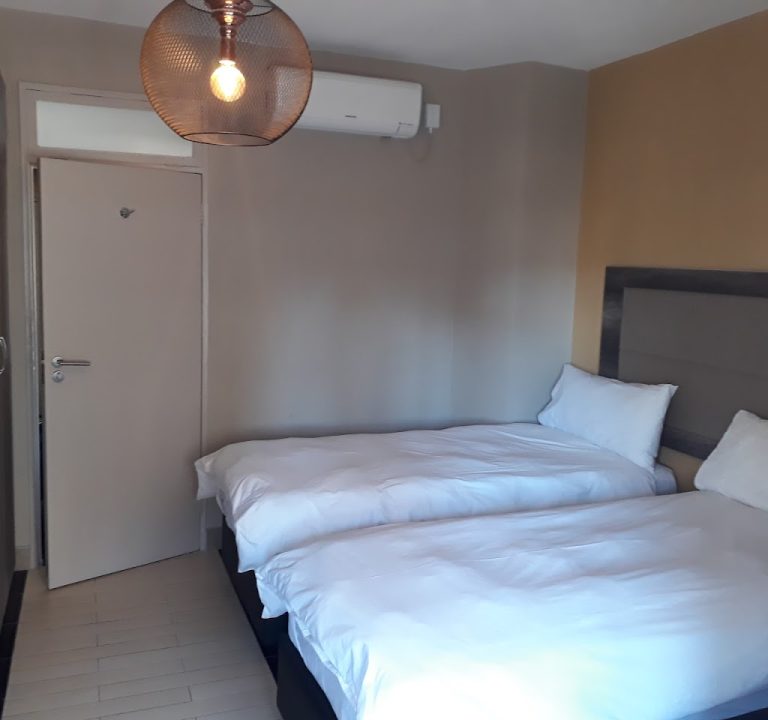
Planet Premier, a well‑positioned choice for visitors seeking contemporary comfort, offers a convenient base within easy reach of major business and leisure zones. For more information and to explore availability, visit their site at Planet Premier.
Attractions and experiences in Johannesburg sit across a broad spectrum—from major museums and historic sites to vibrant markets, street art tours and diverse dining scenes. In general terms, you’ll find public art, galleries and a thriving contemporary culture, interwoven with the city’s storied past. Dining options span modern bistros and traditional favourites, with many venues emphasising farm‑to‑table ingredients and cosmopolitan fusion dishes. If you want a broader sense of Gauteng, consider day trips to nearby nature reserves or historic settlements to contrast urban discovery with outdoor landscapes.
In short, Johannesburg rewards deliberate planning: pick a neighbourhood that suits your pace, choose accommodation with dependable basics, and schedule a mix of city highlights and relaxed moments. With thoughtful preparation, your stay can be comfortable, engaging and easy to tailor to your interests.