Johannesburg: A Practical Guide to Accommodation, Attractions and Getting Around
Johannesburg, Gauteng’s bustling traveller hub, offers a wide range of stays—from stylish lofts and boutique hotels to family-friendly guesthouses and modern aparthotels. When planning a stay, it pays to think about what you want most from your visit: easy access to sights, a vibrant neighbourhood atmosphere, or a quieter base to return to after a day of exploration. The city’s diverse districts each have their own character, so choosing the right area can significantly shape your experience.
Popular bases include central districts where public transport and dining options are abundant, as well as more residential neighbourhoods that feel calmer and more village-like. Sandton is traditionally known for business facilities and contemporary comforts, Rosebank offers a blend of shopping and cafés with easy train links, while Braamfontein and Maboneng are known for their creative energy and street life. For a deeper dive into history and culture, you might consider a stay closer to Soweto or neighbourhoods adjacent to major museums and galleries. If you’re after a quieter stay, look for boutique properties with secure parking in leafy suburbs or residential pockets that are still walkable to cafés and markets.
When selecting accommodation, consider three practical pillars: safety and security, access to transport, and the kind of ambience you prefer. Look for reliable 24-hour reception or on-site staff, well-lit entrances, and clear access routes. Check whether the property offers secure parking if you plan to hire a car, or proximity to Gautrain or metro stations for easy transit to the city centre and beyond. If you will be working remotely or planning longer stays, verify that there is dependable Wi‑Fi, a comfortable workspace, and self-catering facilities where relevant.
Typical amenities that travellers value include a well-equipped kitchen or kitchenette, daily housekeeping or towel changes, laundry facilities, and a minibar or beverage station. In larger or modern properties, you may find on-site dining options, fitness rooms, or outdoor spaces such as courtyards and rooftop terraces. For families, ask about cribs, high chairs, and child-friendly layouts; for business travellers, inquire about conference rooms or flexible work areas. Reading the property’s policies on check-in times, cancellations, and house rules helps prevent friction during your stay.
Transport in Johannesburg is practical but variable depending on the district. The city benefits from a Gautrain network linking O. R. Tambo International Airport with key hubs, and local buses and ride-hailing services provide additional options. If you intend to rely on public transport, staying near a rail station or busy bus corridor can save time. For those who prefer driving, ensure your accommodation offers secure parking and easy access to major roads. In most central areas, walking can be pleasant during the day, with many shops and markets within reach, though nightlife and late-night transport demand sensible planning.
The best time to visit Johannesburg generally mirrors two themes: comfortable weather and events. The dry season (roughly May to September) tends to be cooler and is popular for exploring outdoor sites and markets. The summer months (October to April) bring warmer temperatures and afternoon showers, with lush parks and vibrant street life as a backdrop. If you’re drawn by cultural festivals, galleries, and markets, check local listings for events in Rosebank, Braamfontein, or Maboneng to align your booking with what’s on offer. Seasonality also affects pricing, so booking ahead for peak travel periods—school holidays and major city events—can secure better rates and room choices.
When it comes to things to see and do, think of a balance between heritage, nature and urban culture. A day could begin with a city tour or a museum visit to gain context on South Africa’s history, followed by a stroll through a colourful market or arts district, and end with a meal at a neighbourhood restaurant where you can sample modern interpretations of local flavours. While the big-ticket attractions are widely publicised, the most memorable experiences often lie in quieter corners: a coffee stop between galleries, a stroll along a regenerated precinct, or a sunset view from a rooftop bar. For dining, look for places that source seasonal ingredients or showcase contemporary takes on traditional dishes, without over-reliance on popularity lists. Always book in advance where possible, particularly for popular weekend dining spots and guided tours.
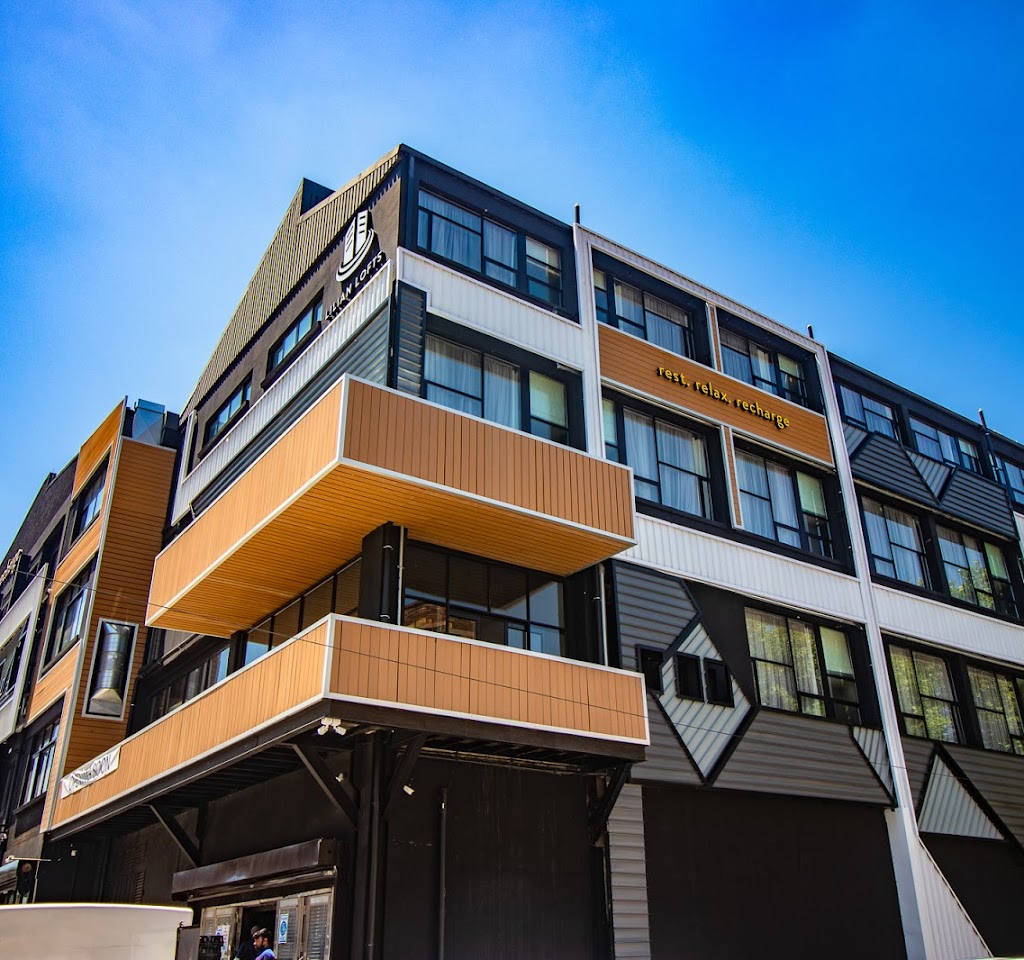
To illustrate a stay with a community-minded touch, consider a stay at Lilian Lofts, a modern hotel-style property offering convenient access to central Johannesburg. Its location and design are suitable for travellers who want a central base with thoughtful amenities and straightforward connections to city sights. More details can be found on its official site: Lilian Lofts.
- Plan with a flexible itinerary to allow time for unexpected discoveries.
- Prioritise properties with secure access, reliable Wi‑Fi, and clear transportation links.
- Check neighbourhood safety advisories and local transport options for evenings.
- Book accommodation with adequate kitchen facilities if you prefer self-catering.
- Explore a mix of hotspots and lesser-known districts to balance iconic sights with authentic experiences.
Ultimately, your Johannesburg stay should suit your pace, budget and interests. By choosing the right area, understanding the transport options, and setting practical expectations around amenities and access, you can enjoy a confident, enjoyable visit to this dynamic South African city.