Where to stay and what to do in Johannesburg, Gauteng
Johannesburg, or Jo’burg as it is often affectionately known, is a sprawling city of contrasts that offers a wide range of places to stay and experiences to suit every traveller. Whether you are seeking a boutique stay in a bustling urban enclave or a quieter retreat within easy reach of the city’s key sights, planning your accommodation around specific neighbourhoods can greatly enhance your visit. Areas like the northern suburbs offer easy access to shopping centres and business districts, while central districts and historic neighbourhoods provide a more vibrant, walkable atmosphere with plenty of dining and culture on your doorstep.
When choosing a place to stay, consider the vibe you want and how you will get around. If you plan to spend long days sightseeing, you may prefer a hotel in a well-connected area with reliable transport links. In Johannesburg, many districts are well served by taxis, ride-hailing apps, and some metro or rail links, but you should always check access to parking if you are driving. If you prefer a more relaxed, walkable base, look for hotels or guesthouses near lively streets, markets, and cafés. A popular option for visitors seeking a balanced mix of convenience and character is a mid-range hotel or guesthouse in a central district with easy access to both cultural sites and park spaces.
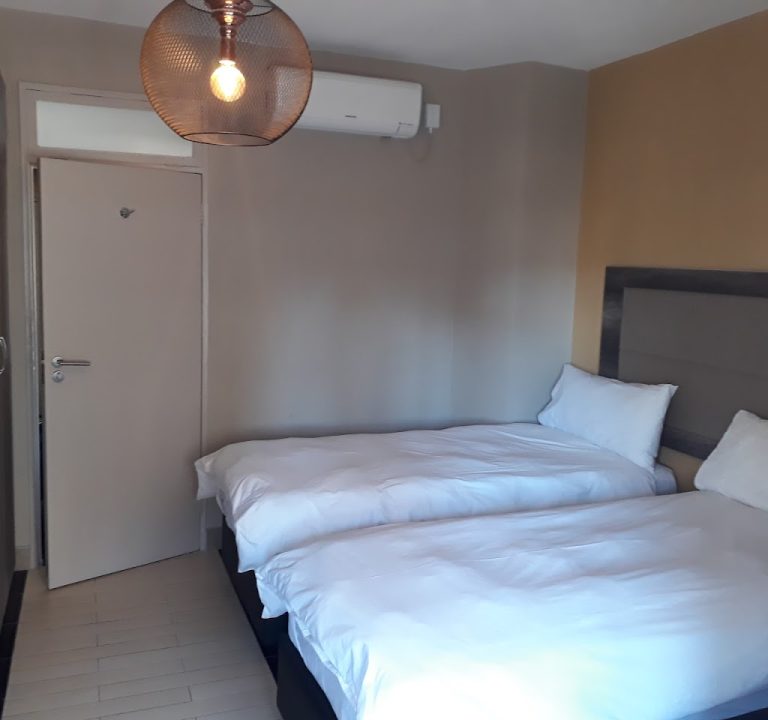
Mid-range and boutique hotels often advertise practical amenities that make a stay more comfortable: reliable Wi‑Fi, in-room tea and coffee facilities, air conditioning or underfloor cooling, on-site dining, and friendly concierge or reception teams ready to help with local advice. Budget-friendly options can still offer thoughtful touches, such as clean rooms, helpful front desk staff, and proximity to safe, well-lit streets. If you are considering a landmark or historically notable property, you might encounter hotels that emphasise architectural character, heritage features, or a curated sense of place. For guests staying at familiar hotel brands, expect predictable service levels and standard facilities, with local touches to reflect Johannesburg’s cosmopolitan flavour.
In Johannesburg you will find a mix of accommodation styles, from modern high-rise towers to smaller, intimate guesthouses. One example you might encounter is a well-known international chain property located in or around Fordsburg, which offers a practical base for visitors looking to explore the northern and central parts of the city. It is wise to verify the exact location, the available room types, and the current guest reviews before booking, as the surrounding neighbourhood can influence your daily travel and safety considerations.
Transport is a practical consideration for most travellers. If you do not plan to hire a car, look for places that offer easy access to major bus routes, taxi services, or ride-hailing apps, and proximity to safe, well-lit streets or curated walking routes. For those who do drive, check whether on-site parking is available and whether it is charged per day or included with your stay. In Jo’burg, many guests choose a neighbourhood with a compact centre or a hub of dining and cultural venues, which reduces the need to rely on car travel for every outing. Local guidance on safe routes between your hotel and attractions can be invaluable, especially in the evenings.
Best time to visit Johannesburg tends to be during the southern hemisphere’s autumn and spring months, when temperatures are comfortable and the days are lively with outdoor events. The city experiences a temperate climate with a summer rainfall pattern, so planning around the weather can help you enjoy outdoor markets, parks, and open-air activities. If your itinerary centres on museums, galleries, and heritage experiences, aim to balance indoor and outdoor days to avoid peak heat. Off-peak periods can sometimes offer quieter attractions and more availability when booking accommodation, though popular areas may still book up during holidays and festival seasons.
What to look for in a stay goes beyond price. Consider the following practical factors when reserving accommodation in Johannesburg:
- Location relative to your planned activities and preferred neighbourhood atmosphere
- Each room’s comfort features: sound insulation, air conditioning, adequate lighting, and storage
- Safety and security measures in the building and surrounding area
- Access to reliable Wi‑Fi for work or streaming
- On-site dining options or easy access to nearby cafés and eateries
- Clear cancellation policies and responsive guest services
When it comes to dining and experiences, Johannesburg offers a dynamic mix of restaurants and local discoveries. In addition to celebrated fine dining and casual eateries, there are markets, street food hubs, and neighbourhood venues where you can sample regional flavours and modern cuisine alike. For visitors, a stroll through a vibrant precinct can reveal art studios, boutique shops, and music or theatre performances. While specific venues and prices can vary, many travellers enjoy pairing their stay with a guided or self-guided neighbourhood walk that highlights local culture, history, and everyday life.
Top practical tips for enjoying a stay in Johannesburg include booking in advance for popular dates, requesting a room on a higher floor if you prefer quiet during the night, and using reputable transport options after dark. If you are staying in a historic or characterful property, ask about anything that might enhance your experience—such as nearby cultural sites, walking routes, or recommendations for safe evening activities. With careful planning, your Jo’burg stay can be comfortable, convenient, and rich in discovery, giving you time to enjoy both the city’s energy and its many corners of calm.