Exploring Johannesburg: Where to Stay, Eat, and See in Gauteng
Johannesburg, a dynamic gateway to South Africa’s Golden Triangle, offers a wide range of accommodation to suit every style and budget. From boutique guesthouses tucked in leafy neighbourhoods to contemporary hotels in bustling city centres, visitors can plan a stay that balances comfort with easy access to the city’s energy. When choosing where to base yourself, think about how you want to spend your days: are you aiming for cultural neighbourhood strolls, business districts, or a mix of museums, markets and hearty dining?
Neighbourhoods to consider include the central business district, where modern hotels and refurbished historic buildings sit alongside coffee roasters and contemporary eateries. The northern suburbs offer leafy residential streets, with secure parking and family-friendly lodges close to parks and shopping centres. For a more curated urban experience, the areas around the cultural precincts and popular markets provide vibrant street life, galleries and easy access to public transport. Whichever area you pick, ensure the property offers secure parking or reliable parking options if you’re hiring a car, and check access to reliable transport at night for late outings.
Typical amenities to look for when booking include reliable Wi-Fi, air conditioning or good heating, a 24-hour reception or front desk, and on-site dining or easy access to nearby eateries. Many properties in Johannesburg also offer self-catering facilities or a guest kitchen, which can be convenient for families or travellers with long itineraries. If you’re travelling with children or colleagues, consider properties with flexible layouts, larger suites, or a minibar and room-service options for restful evenings after busy days of sightseeing.
Transport in Johannesburg is well connected but frugal travellers will benefit from planning ahead. The city is served by a major international airport with a gateway into Gauteng’s road networks. Within the city, rental cars, ride-hailing, and organised tours are common ways to move between sights. If you prefer not to drive, look for properties within easy reach of commuter rail lines or reputable taxi services. When staying in central districts, you can often walk to museums, markets, and cafés, but be mindful of security and street lighting at night, choosing well-lit paths and day-time adventures when possible.
The best time to visit Johannesburg depends on your priorities. The city’s altitude makes its winters mild and its summers warm; late spring and autumn bring comfortable temperatures for outdoor exploration. If you’re hoping to combine a trip with nearby natural attractions in Gauteng, plan for drier months for outdoor days, and factor in occasional afternoon thunderstorms in the summer. South Africa’s currency and daylight hours are reliable planning anchors, and many attractions run year-round with occasional seasonal events that add to a stay’s flavour.
Accommodation in Johannesburg tends to fall into a few broad categories:
- boutique guesthouses and lodges, often located in leafy suburbs with personalised service and intimate common areas
- mid-range hotels in or near the city centre, offering good value and convenient access to sights and eateries
- stylish contemporary hotels within modern precincts that cater to business travellers and tourists alike
- self-catering apartments and serviced suites, ideal for longer stays or families
When planning a stay, consider these practical tips:
- Check the proximity to attractions you plan to visit and the availability of safe transport at night.
- Read recent guest reviews for updates on security, housekeeping standards, and the reliability of Wi‑Fi.
- Look for properties that offer flexible cancellation policies, especially if your plans involve multiple activities or changing schedules.
- Ask about in-room amenities such as coffee/tea facilities, power adaptors, and luggage storage options for smoother transfers between venues.
- Explore dining options nearby—many areas boast diverse cuisines, from traditional South African favourites to international flavours.
Johannesburg’s signature experiences are varied and family-friendly as well as ideal for solo explorers. Cultural precincts host museums and galleries that explore the country’s complex history and vibrant present. Markets and street-food hubs provide opportunities to sample regional flavours and craft goods, while parks and reserves offer spaces to unwind between city discoveries. Dining in Johannesburg ranges from elegant fares in hotels to casual bistros and eateries showcasing contemporary South African cooking. For a balanced visit, plan a mix of interior-focused days—like galleries and cafés—alongside outdoor explorations to enjoy the city’s dynamic climate and urban landscape.
To start planning, consider consulting official tourism resources for Johannesburg and Gauteng. Practical planning tips and current event information can help you map an itinerary that aligns with your interests, budget, and pace. For convenience, reputable travel guides and hotel websites often provide area-by-area suggestions, transport options, and nearby attractions so you can assemble an itinerary that feels both organised and flexible.
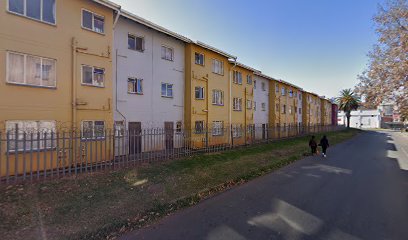
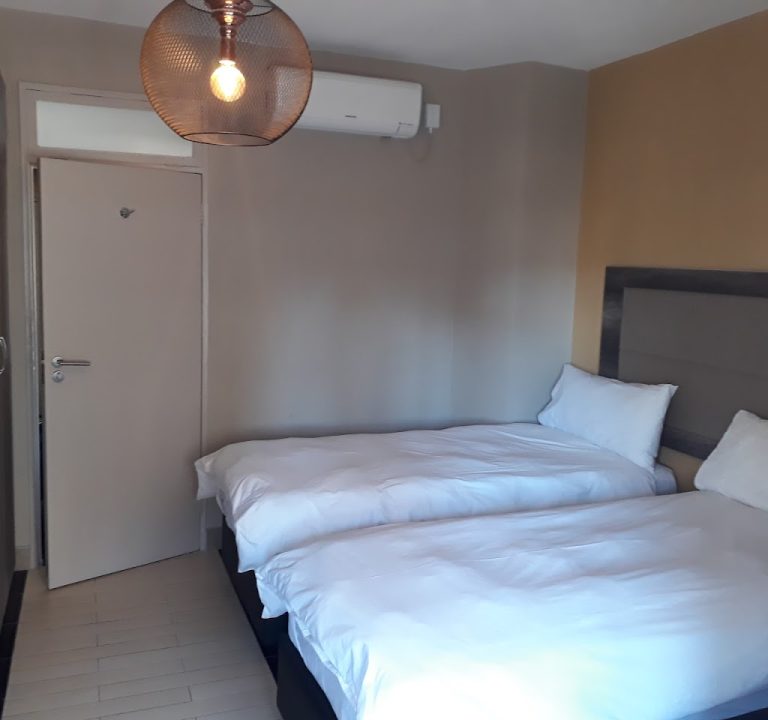
Example accommodation, such as Galaxy Hotel, can serve as a case study for your search: look for properties described as hotels or hotel‑like experiences that emphasise comfort, central locations, and access to essential services. The right choice will offer you a solid base from which to explore central Johannesburg, coupled with dependable amenities and straightforward transport links. For more information on Johannesburg’s visitor offerings, you can visit official tourism sites or hotel group pages that provide up-to-date details on areas, transport, and activities. Gauteng Tourism Authority and Johannesburg Tourism are good starting points for planning a well-rounded stay.